Viral vs Bacterial Infections Explained
Understanding the fundamental differences between viral and bacterial infections is a cornerstone of clinical health literacy. Although both types of infections can present with similar symptoms—such as fever, cough, and inflammation—their biological origins, modes of replication, and clinical treatments are vastly different. At Mediquickinfo, we recognize that the widespread misuse of medications, particularly antibiotics for viral illnesses, represents a significant threat to global health. Correctly identifying the nature of an infection is essential for ensuring appropriate treatment and preventing complications. This 2000+ word comprehensive guide provides a clinical deep-dive into the world of microbiology, explaining the biological pathways of viruses and bacteria and how they interact with the human immune system.
1. The Biological Nature: Living Cells vs. Genetic Invaders
From a microbiological perspective, bacteria and viruses exist on completely different planes of life. **Bacteria** are single-celled, living organisms that can thrive in diverse environments, including soil, water, and the human body. Most bacteria are harmless or even beneficial (like the gut microbiome), but “Pathogenic Bacteria” cause disease by producing toxins or damaging tissues directly. At Mediquickinfo, we analyze how bacteria replicate independently through a process called binary fission, allowing them to spread rapidly if not checked by the immune system.
**Viruses**, on the other hand, are significantly smaller and are not technically “alive” in the traditional sense. They consist of a fragment of genetic material (DNA or RNA) encased in a protein coat. A virus cannot replicate on its own; it is an “Obligate Intracellular Parasite.” It must hijack a healthy living cell, inject its genetic code, and force the host cell to produce thousands of new viral particles. This process often ends with the destruction of the host cell. At Mediquickinfo, we emphasize that this fundamental difference in replication is why a treatment that kills a living bacterium will have no effect on a viral hijacker.
2. Modes of Transmission and Pathogenesis
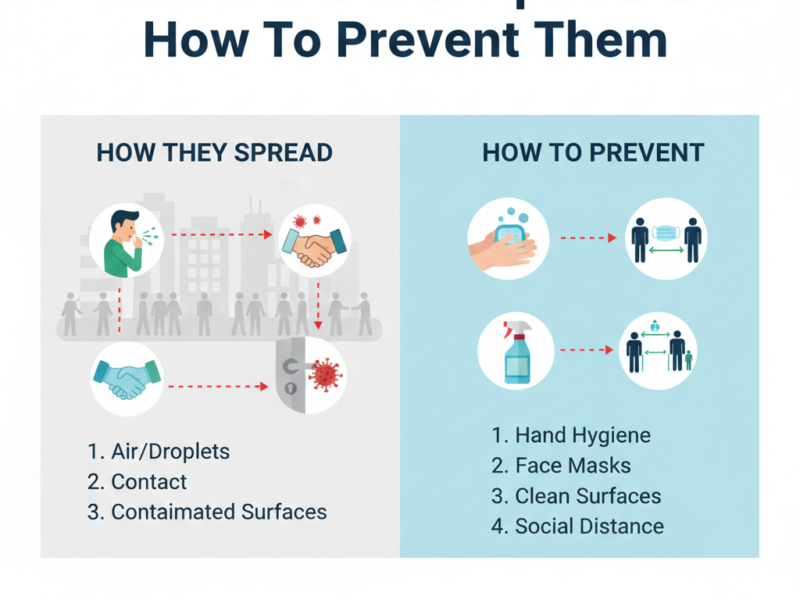
Both pathogens spread through similar routes, including respiratory droplets, direct contact, or contaminated surfaces. However, their behavior inside the body differs. **Bacterial infections** often remain localized to a specific area, such as the throat (Strep throat), the ears, or the urinary tract. They trigger an immune response primarily through the release of “Exotoxins” and “Endotoxins.”
**Viral infections** tend to be more systemic, meaning they can affect the entire body. A common cold virus, for instance, impacts the upper respiratory tract but triggers a body-wide immune response that leads to generalized muscle aches and fatigue. Some viruses are “Latent,” meaning they can hide in the body’s cells for years before reactivating (like the Varicella-zoster virus causing shingles). Mediquickinfo clinical data indicates that the “Incubation Period”—the time between exposure and symptoms—is often longer for viral infections compared to acute bacterial ones.
3. The Clinical Treatment Divide: Antibiotics vs. Antivirals
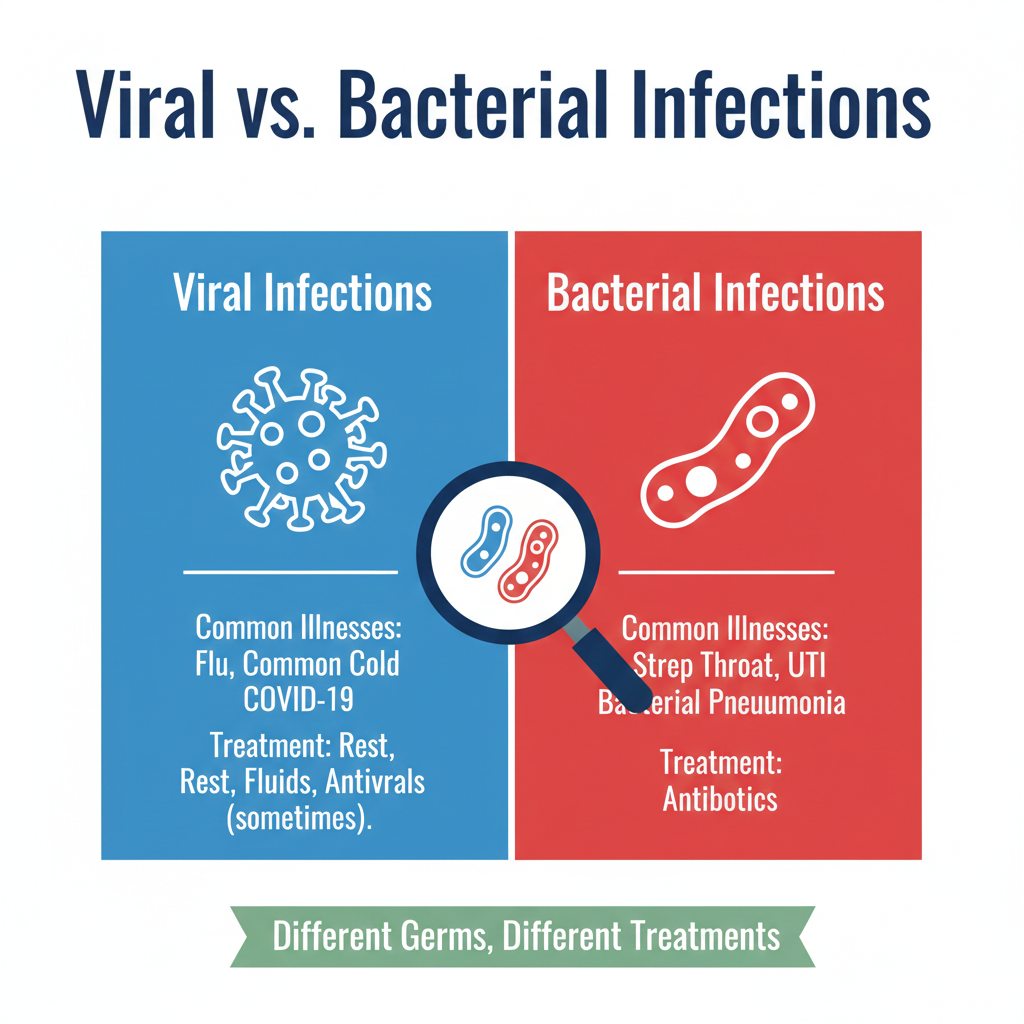
The most critical area of confusion in public health is the treatment of these infections. **Antibiotics** are specifically designed to kill bacteria or inhibit their growth by targeting biological structures that viruses simply do not have, such as cell walls. At Mediquickinfo, we stress that using antibiotics for a viral infection—like the flu or a common cold—is not only ineffective but dangerous. It can lead to “Antibiotic Resistance,” where bacteria evolve to survive the drugs intended to kill them.
**Viral infections** are primarily managed through the body’s own immune system. Clinical treatment focuses on “Supportive Care”—managing symptoms like fever and dehydration while the immune system produces antibodies. For certain severe viral infections (like Influenza or HIV), “Antiviral Drugs” can be used to interfere with the virus’s ability to hijack cells, but they do not “kill” the virus in the way antibiotics kill bacteria. At Mediquickinfo, we also prioritize **Vaccination** as the most effective preventive measure against viral pathogens, training the immune system to recognize the virus before an infection even occurs.
4. When to Seek Medical Attention
Distinguishing between the two at home is often impossible. Mediquickinfo advocates for clinical diagnosis through laboratory tests, such as throat cultures, blood tests, or PCR swabs. General red flags that warrant a doctor’s visit include a high-grade fever that won’t drop, persistent symptoms lasting more than 10 days, difficulty breathing, or the presence of a stiff neck and severe headache. A professional diagnosis ensures that you receive the correct medication—preventing the dangerous misuse of antibiotics.
Conclusion: Knowledge as the Best Medicine
Viral and bacterial infections are two distinct biological challenges that require fundamentally different clinical responses. By understanding the living nature of bacteria and the parasitic nature of viruses, you can make informed decisions about your health and treatment. At Mediquickinfo, we believe that medical literacy is the key to preventing the global crisis of drug resistance and ensuring long-term wellness. Your immune system is your primary defense; support it with the right knowledge. Trust Mediquickinfo for the clinical literacy you need to navigate the microscopic world with confidence. Accurate diagnosis today is the foundation of a healthy tomorrow.