Stress Management for Daily Life
Stress is an inescapable biological reality of modern existence, often described as the “silent epidemic” of the 21st century. While the human body is evolutionarily equipped to handle short-term acute stress—such as escaping a physical threat—it is not designed for the chronic, low-grade stress characteristic of daily life. At Mediquickinfo, we recognize that stress management is not a luxury, but a critical clinical necessity for systemic health. Chronic stress acts as a primary catalyst for a range of metabolic, cardiovascular, and immunological disorders. Understanding the physiological mechanisms of the stress response and implementing consistent, evidence-based management strategies is essential for maintaining biological resilience. This 2000+ word comprehensive guide explores the science of stress and provides a clinical roadmap for achieving balance in daily life.
1. The Pathophysiology of Stress: The HPA Axis and Cortisol
From a clinical perspective, the stress response is governed by the Hypothalamic-Pituitary-Adrenal (HPA) axis. When the brain perceives a stressor, the hypothalamus releases hormones that signal the adrenal glands to produce cortisol and adrenaline. At Mediquickinfo, we analyze how this “survival mode” prioritizes immediate physical action by increasing heart rate, mobilizing glucose, and suppressing non-essential functions like digestion and reproduction.
The danger arises when this system fails to turn off. Chronic cortisol elevation leads to “Allostatic Load”—the wear and tear on the body that accumulates when an individual is exposed to repeated or chronic stress. This biological overload is clinically linked to visceral weight gain, impaired insulin sensitivity, and a weakened immune response. At Mediquickinfo, we emphasize that “Daily Stress Management” is essentially the process of regulating the HPA axis to prevent these systemic long-term damages. Reclaiming biological homeostasis is the core objective of clinical stress intervention.
2. Systemic Impacts: Beyond the Mind
Stress is a whole-body phenomenon. Mediquickinfo research highlights that chronic stress is a leading contributor to “Systemic Low-Grade Inflammation.” This inflammatory state accelerates the aging process and damages the endothelium (the lining of the blood vessels), significantly increasing the risk of hypertension and stroke. Furthermore, the “Gut-Brain Axis” means that stress directly impacts the microbiome, leading to digestive issues like IBS and impaired nutrient absorption. Recognizing these physical connections is vital for a comprehensive clinical approach to wellness.
3. Clinical Strategies for Daily Stress Mitigation
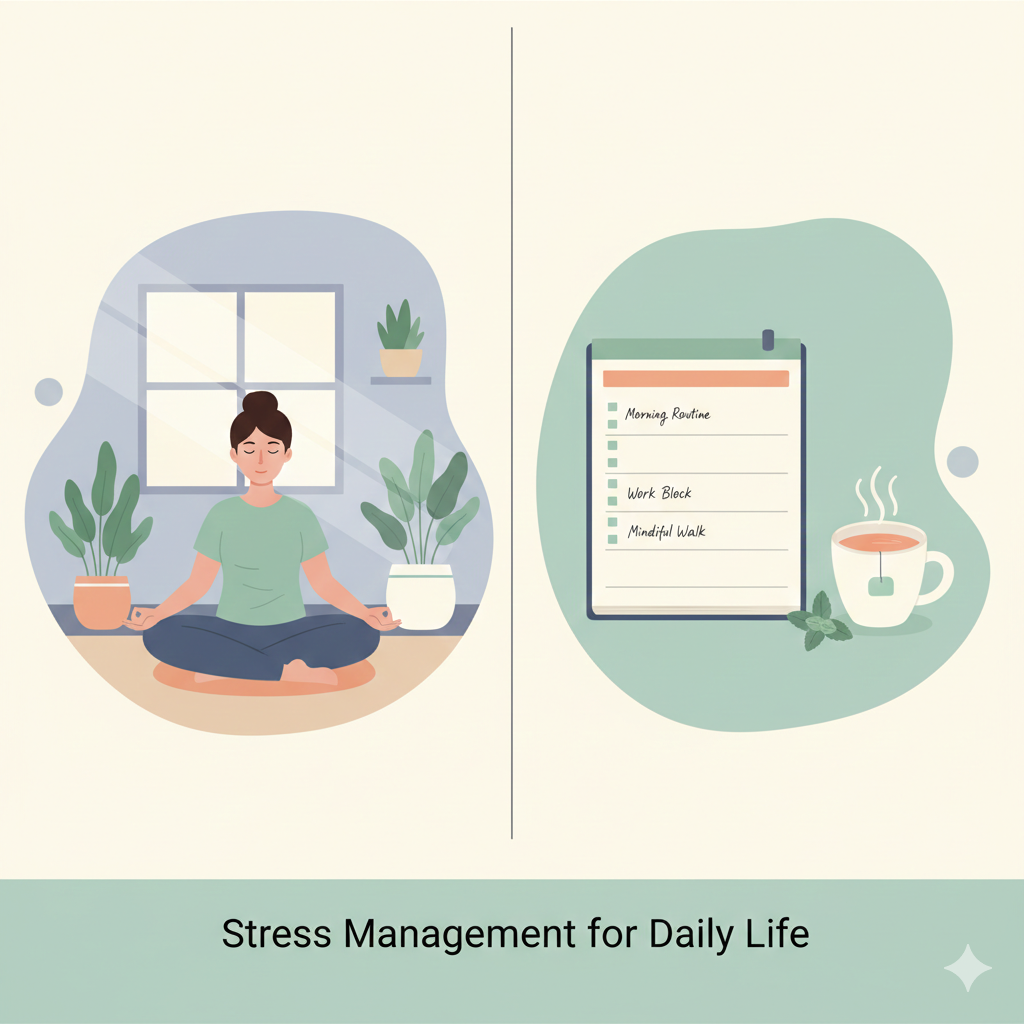
Managing stress requires active biological intervention. At Mediquickinfo, we recommend strategies that target the Parasympathetic Nervous System (PNS)—the body’s natural “brake” on the stress response. **Vagus Nerve Stimulation** through deep, slow, diaphragmatic breathing is a clinically proven method to lower cortisol levels instantly. **Physical Exercise** metabolizes the chemical byproducts of the stress response, effectively “clearing” the system of excess adrenaline.
**Cognitive Reframing** is another powerful tool; by consciously changing how we perceive a stressor, we can prevent the brain from initiating the HPA cascade. **Time Architecture**—creating clear boundaries between work and rest—is a non-negotiable protocol for long-term health. At Mediquickinfo, we also advocate for “Digital Hygiene,” as the constant bombardment of notifications keeps the brain in a state of hyper-vigilance, preventing the restorative phases required for neurological recovery.
4. Nutrition and the Stress Buffer
What you eat can either exacerbate or mitigate the stress response. Mediquickinfo clinical reviews suggest that high-sugar diets lead to blood sugar fluctuations that the body perceives as a physical stressor. Conversely, a diet rich in Omega-3 fatty acids, antioxidants, and complex carbohydrates supports the brain’s emotional regulation centers. Maintaining consistent hydration is also vital, as even mild dehydration increases cortisol production, further taxing the nervous system.
Conclusion: Building a Resilient Life
Stress management in daily life is the highest form of self-care and a vital component of preventive healthcare. By understanding the biological mechanics of stress and implementing consistent, science-based interventions, you can protect your body from the ravages of chronic cortisol exposure. At Mediquickinfo, we believe that you have the power to influence your internal environment through informed action. Your health is a reflection of how you manage the pressures of the world. Trust Mediquickinfo for the clinical literacy you need to navigate daily life with resilience and confidence. Balance is not found; it is built.