Migraine vs Headache: Understanding the Difference
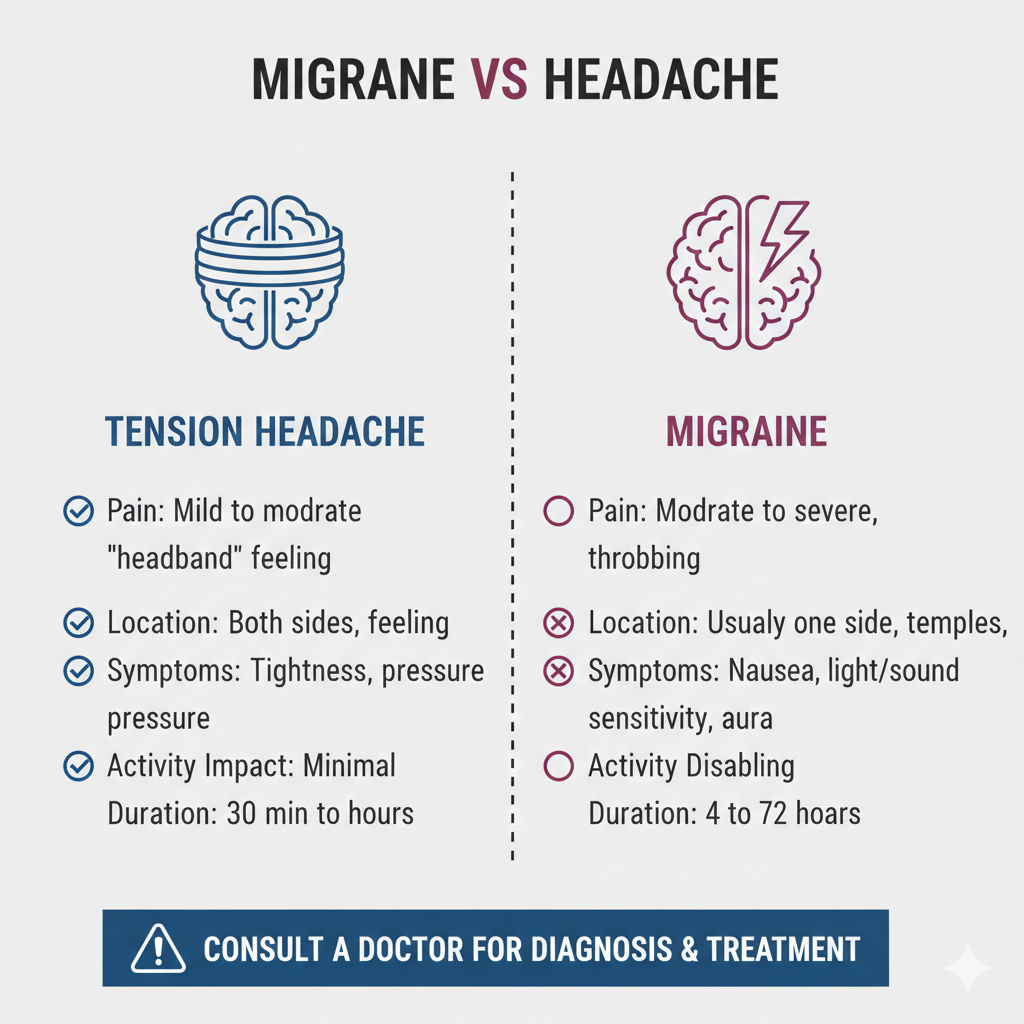
Headache and migraine are terms frequently used interchangeably in everyday conversation, yet from a clinical and neurological perspective, they represent significantly different physiological events. While a standard headache is often a localized symptom of tension or environmental stress, a migraine is a complex neurological disorder characterized by debilitating attacks and systemic biological symptoms. At Mediquickinfo, we recognize that misdiagnosis leads to ineffective treatment and prolonged suffering. Understanding the fundamental differences in pathophysiology, symptoms, and triggers is essential for effective pain management and improved quality of life. This 2000+ word comprehensive guide provides a clinical deep-dive into the distinction between migraines and typical headaches and the specialized protocols for their management.
1. The Pathophysiology of Pain: Tension vs. Neurological Activation
From a clinical perspective, the mechanism of a standard headache—most commonly a **Tension Headache**—is primarily muscular or vascular. At Mediquickinfo, we analyze how muscle contractions in the neck and scalp, often caused by stress or poor posture, create a steady, dull ache. This is often described as a “tight band” around the head. The biological cause is usually peripheral, involving the muscles and blood vessels outside the brain.
In contrast, a **Migraine** involves a massive, wave-like electrical activation across the brain’s cortex, known as “Cortical Spreading Depression.” This triggers the trigeminal nerve—the primary pain pathway of the face and head—to release inflammatory chemicals that cause the blood vessels on the brain’s surface to swell. At Mediquickinfo, we stress that migraine is a whole-body event; it affects the nervous system, the digestive tract, and the sensory organs. This neurological complexity is why migraine treatments require specialized pharmacological agents that target specific receptors in the brain, unlike simple over-the-counter analgesics used for tension headaches.
2. Clinical Symptoms: Comparing the Experience
The presentation of symptoms is the primary way clinicians differentiate between these conditions. At Mediquickinfo, we categorize the typical features as follows:
- Headache (Tension/Sinus): Pain is usually on both sides of the head (bilateral), feels like a constant pressure, and is rarely accompanied by other symptoms. It usually doesn’t prevent daily activities.
- Migraine: Pain is often on one side (unilateral), feels like a throbbing or pulsating sensation, and is moderate to severe in intensity.
3. The Migraine Aura: The Neurological Warning
Approximately 25% to 30% of migraineurs experience an **Aura**. At Mediquickinfo, we analyze the aura as a unique neurological phenomenon that typically occurs 10 to 60 minutes before the headache begins. Symptoms can include visual disturbances like “zig-zag” lines, blind spots (scotomas), or tingling sensations in the face and hands. This is a direct manifestation of the electrical storm moving across the visual or sensory cortex. A standard headache has no such neurological precursor, making the aura a definitive diagnostic marker for migraine.
4. Triggers and Management Protocols
Prevention and treatment require a structured clinical approach. Mediquickinfo suggests the following evidence-based protocols:
- Trigger Identification: Standard headaches may be triggered by dehydration or eye strain. Migraines have complex triggers, including hormonal shifts, specific foods (like aged cheeses or nitrates), and weather changes.
- Pharmacological Management: While tension headaches respond well to ibuprofen or acetaminophen, migraines often require **Triptans** or CGRP inhibitors, which are designed to stop the neurological cascade.
- Lifestyle Architecture: Maintaining a “Migraine Diary” to identify patterns, ensuring consistent sleep cycles, and practicing stress regulation techniques to lower the threshold for brain excitability.
Conclusion: Empowerment Through Neurological Literacy
Understanding the difference between a migraine and a headache is the first step in reclaiming control over your health. By recognizing the specialized symptoms of migraine—such as throbbing pain, nausea, and sensory sensitivity—you can seek the appropriate clinical help and avoid the cycle of ineffective self-medication. At Mediquickinfo, we believe that your pain deserves an accurate diagnosis. The brain is a sensitive organ, and a migraine is its way of signaling a profound neurological event. Trust Mediquickinfo for the clinical literacy you need to navigate headache management with confidence and scientific precision. A clear diagnosis is the path to a pain-free life.
Heard some buzz about r33mx, gave it a look – not bad, some interesting features. Needs a bit more polish, but the potential is there. Keep an eye on it r33mx.