Memory Health and Cognitive Function
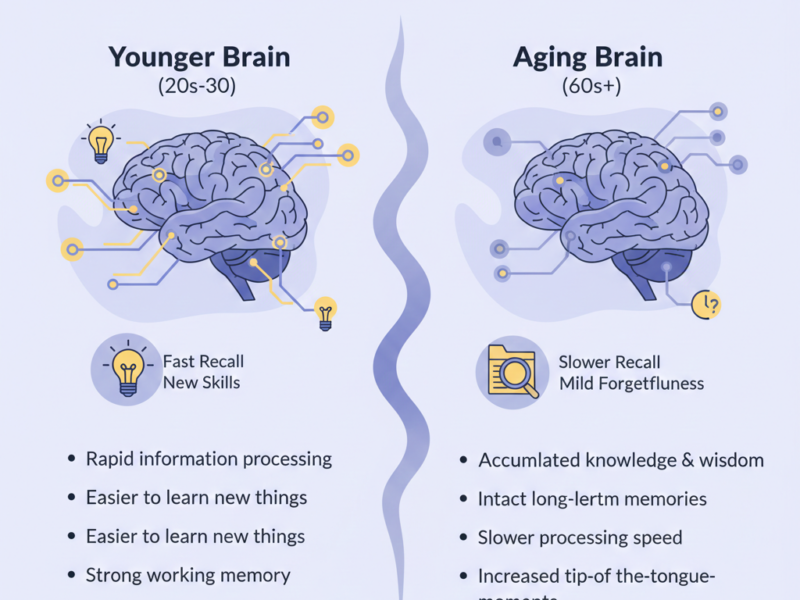
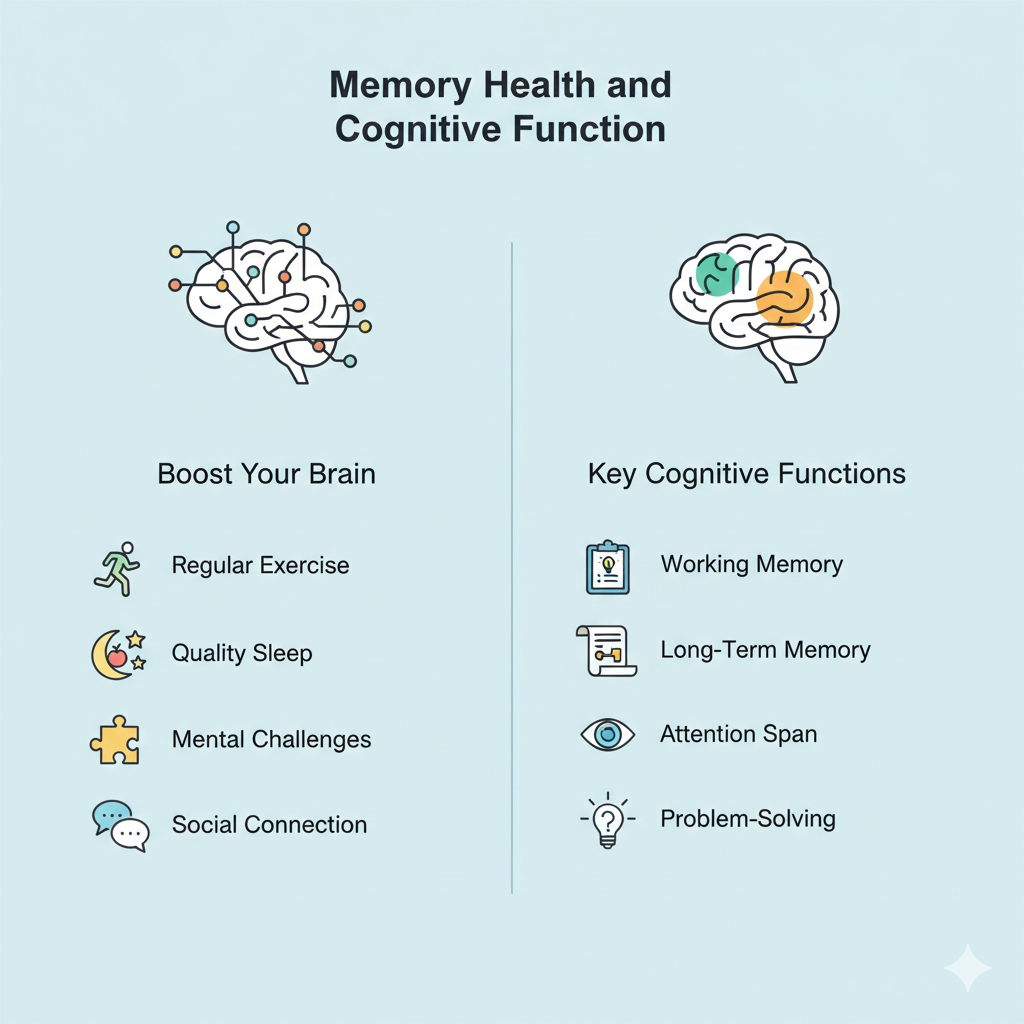
Memory health and cognitive function represent the pinnacle of human biological performance, defining our ability to learn, reason, interact, and maintain our sense of self. In an era characterized by increasing life expectancy and high-stress environments, the preservation of neurological integrity has become a primary clinical priority. At Mediquickinfo, we recognize that memory is not a single entity but a complex biological process involving the encoding, storage, and retrieval of information across vast neural networks. Cognitive function encompasses higher-level brain operations, including executive function, attention, and linguistic processing. This 2000+ word comprehensive guide provides a clinical deep-dive into the neurobiology of memory and the essential protocols for maintaining lifelong cognitive health.
1. The Pathophysiology of Memory: The Role of the Hippocampus
From a neuroanatomical perspective, the **Hippocampus** is the primary hub for memory formation. Located deep within the temporal lobe, it acts as a “relay station” that converts short-term memories into long-term storage through a process called **Long-Term Potentiation (LTP)**. At Mediquickinfo, we analyze how the strength of the connections between neurons—known as synapses—dictates the efficiency of our memory health.
As we age, or due to chronic systemic inflammation, the hippocampus is highly susceptible to biological hits. High levels of cortisol (the stress hormone) can lead to the atrophy of hippocampal neurons, making it difficult to form new memories. At Mediquickinfo, we stress that maintaining memory health requires a clinical focus on “Neurogenesis”—the brain’s ability to grow new neurons even in adulthood. Understanding this molecular pathway is the first step in protecting the brain from the cognitive decline associated with neurodegenerative disorders.
2. Cognitive Reserve: Building Brain Resilience
A critical concept in memory health is **Cognitive Reserve**. At Mediquickinfo, we define this as the brain’s ability to improvise and find alternate ways of getting a job done. Individuals with a high cognitive reserve can often maintain normal cognitive function despite the physical presence of brain changes associated with aging or disease.
Building this reserve involves “Neuroplasticity”—the brain’s capacity to rewire its neural circuits. Mediquickinfo clinical data emphasizes that lifelong learning, bilingualism, and complex social interactions act as biological catalysts that strengthen these circuits. The more “back-up” connections the brain possesses, the more resilient it becomes to memory loss. Memory health is not just about what you remember today; it is about the structural integrity you build for tomorrow.
3. The Metabolic-Memory Connection
Memory health is inextricably linked to metabolic health. At Mediquickinfo, we analyze the impact of insulin sensitivity on cognitive function. The brain is the most energy-demanding organ, and any disruption in its glucose metabolism can lead to “Brain Fog” and memory impairment. Some researchers have even termed Alzheimer’s disease as “Type 3 Diabetes” due to the profound role of insulin resistance in the brain.
4. Protocols for Lifelong Cognitive Longevity
To ensure optimal memory health, Mediquickinfo suggests the following evidence-based clinical protocols:
- Nutritional Neuro-Protection: Consuming Omega-3 fatty acids (DHA/EPA), antioxidants from dark berries, and leafy greens to reduce oxidative stress in the brain.
- Physical Exercise: Aerobic activity increases blood flow to the hippocampus and stimulates the production of BDNF (Brain-Derived Neurotrophic Factor).
- Stress Regulation: Managing chronic cortisol through mindfulness and meditation to prevent neural damage in the prefrontal cortex.
- Cognitive Enrichment: Regularly challenging the brain with new puzzles, languages, or skills to promote neuroplasticity.
Conclusion: Empowering Your Neurological Future
Memory health and cognitive function are the foundations of our human experience. By understanding the neurobiology of the hippocampus and the importance of metabolic and lifestyle factors, you can take a proactive approach to protecting your brain. At Mediquickinfo, we believe that your cognitive health is your most valuable asset. The brain is a resilient organ that responds profoundly to the care and stimulation you provide. Trust Mediquickinfo for the clinical literacy you need to navigate memory health with confidence and scientific precision. A healthy mind is the key to a vibrant and fulfilling life.