Heartburn & Acid Reflux: The Ultimate Medical Guide

Heartburn or the burning sensation in the chest is a condition that impacts millions globally, often occurring as a symptom of a deeper physiological imbalance. At Mediquickinfo, we aim to move beyond simple remedies and explore the complex relationship between the esophagus and stomach acid. When stomach acid frequently flows back into the food pipe (esophagus), it can lead to Gastroesophageal Reflux Disease (GERD). This guide serves as a comprehensive tool to understand the causes, risks, and management of this “internal fire.”
1 Anatomy of the Lower Esophageal Sphincter

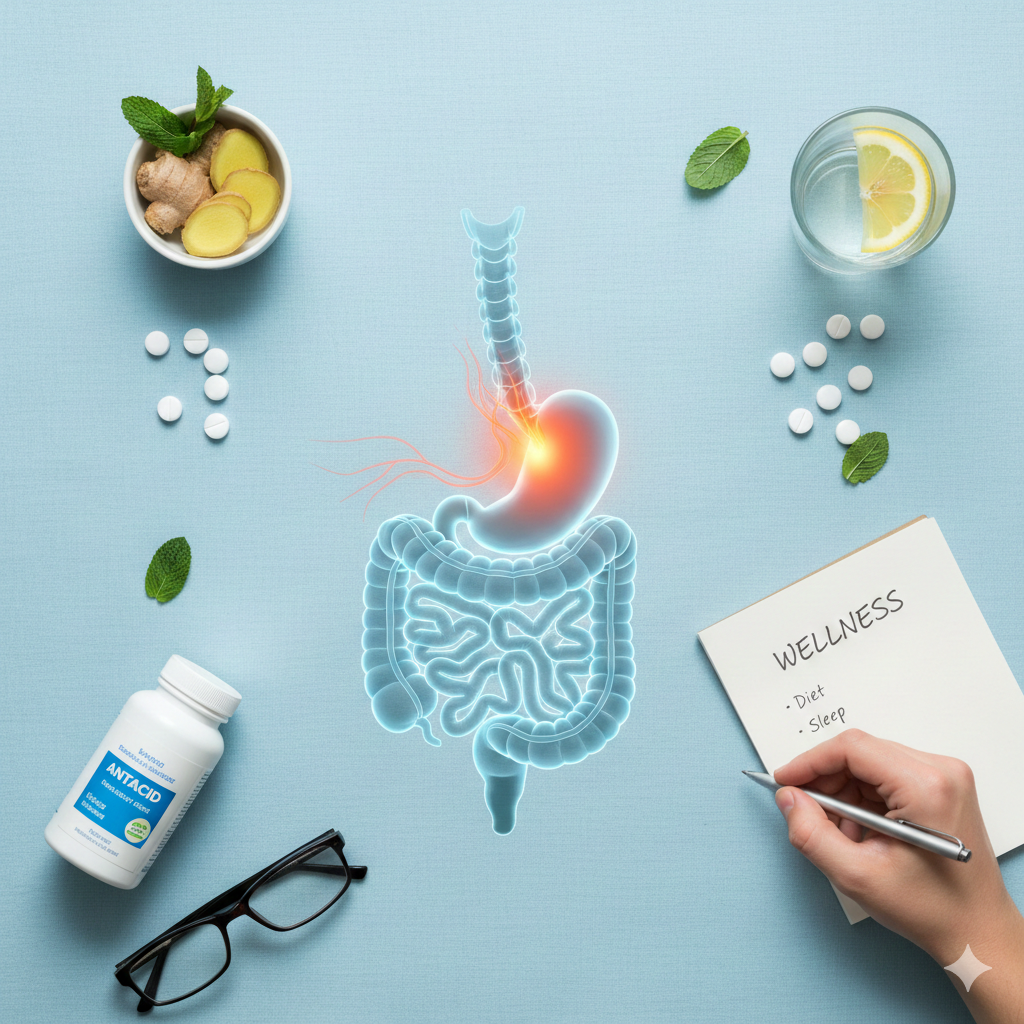
The boundary between our stomach and esophagus is guarded by a vital muscle known as the Lower Esophageal Sphincter (LES). This valve acts as a one-way door, relaxing to allow food into the stomach and contracting to prevent acid from rising. When this muscle weakens or relaxes at inappropriate times, hydrochloric acid (HCl) from the stomach enters the esophagus. Unlike the stomach, the esophageal lining lacks a protective mucous layer, resulting in the painful sensation we identify as heartburn.
2 Silent Reflux: The Hidden Danger
A significant portion of individuals suffer from Laryngopharyngeal Reflux (LPR), often called “silent reflux.” Unlike classic GERD, LPR might not cause heartburn. Instead, acid vapors reach the voice box (larynx) and throat, causing chronic cough, hoarseness, and a constant need to clear the throat. Mediquickinfo researchers emphasize that ignoring silent reflux can lead to permanent damage to the vocal cords and respiratory tract.
3 Identifying the Common Triggers
Various lifestyle and dietary factors can compromise the integrity of the LES. High-fat meals, caffeine, alcohol, and spicy foods are primary culprits. However, physical pressure—such as obesity or tight clothing—can also force stomach acid upward. Mediquickinfo suggests keeping a food diary to pinpoint your specific biological triggers, as sensitivity varies greatly between individuals.
4 Long-term Complications & Barrett’s Esophagus
Chronic acid exposure is not just uncomfortable; it is dangerous. Persistent inflammation, known as esophagitis, can lead to scarring and esophageal strictures (narrowing). Most critically, it can cause Barrett’s Esophagus, a pre-cancerous condition where the lining of the esophagus changes to resemble the lining of the intestine. Regular monitoring at Mediquickinfo-approved clinics is vital for patients with long-term symptoms.
5 Advanced Treatment and Lifestyle Management
Management of acid reflux requires a tiered approach. Lifestyle changes are the foundation: losing weight, sleeping with the head of the bed elevated, and avoiding meals three hours before sleep. Pharmacological interventions include Proton Pump Inhibitors (PPIs) and H2 blockers, which reduce acid production. In severe cases, surgical options like Nissen Fundoplication or the LINX magnetic ring can physically reinforce the LES.
Conclusion: Reclaiming Your Comfort
Heartburn is a manageable condition, but it requires a proactive and informed approach. By understanding the mechanics of your digestive system and making conscious choices, you can prevent the long-term damage of acid reflux. Mediquickinfo is dedicated to helping you find balance and lasting relief through evidence-based medical education.