Gut Health and the Microbiome
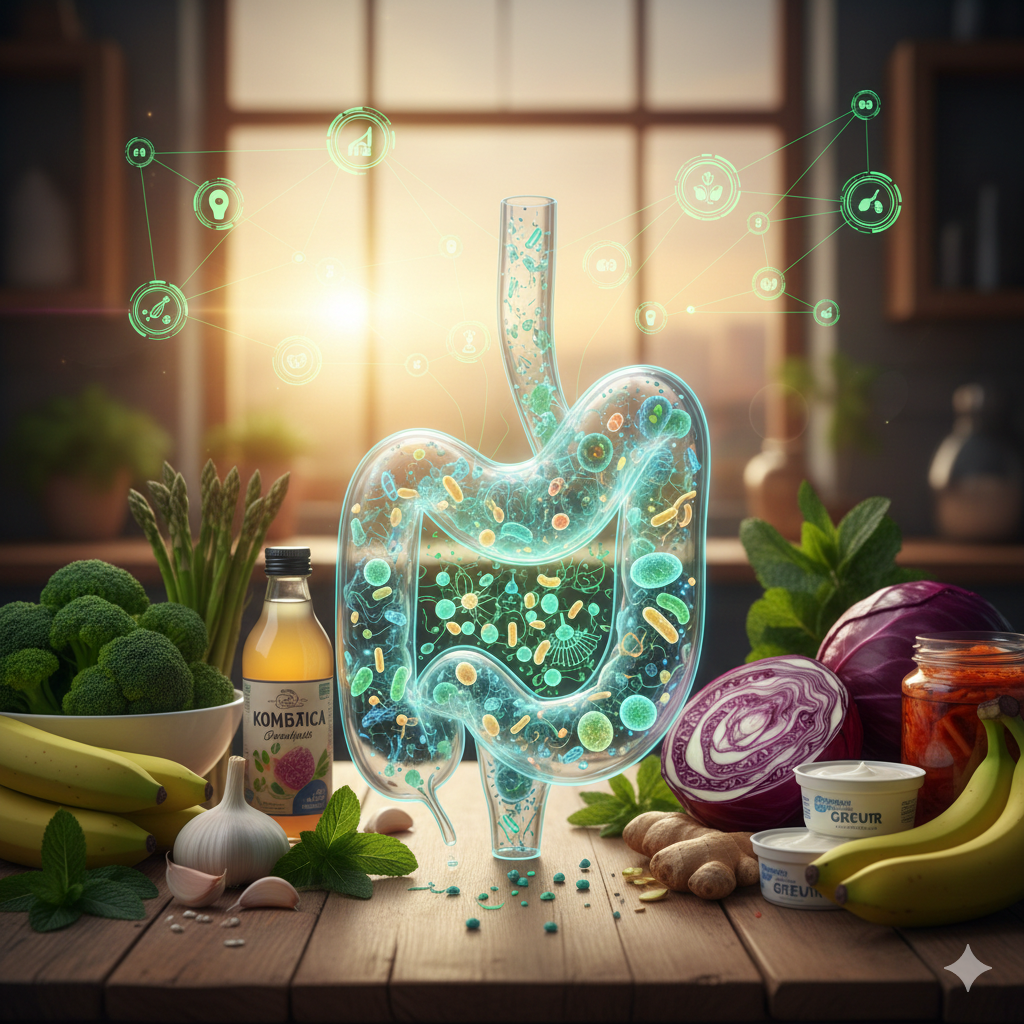
In the realm of modern clinical science, few topics have revolutionized our understanding of human health as profoundly as the study of gut health and the microbiome. The human gut is home to a vast and complex ecosystem of trillions of microorganisms, including bacteria, viruses, fungi, and archaea, collectively known as the **Gut Microbiome**. At Mediquickinfo, we recognize that this microscopic world is not just a collection of passengers; it is a highly active biological “organ” that performs essential functions for our survival. From training the immune system to synthesizing vitamins and regulating mood through the gut-brain axis, the microbiome is central to systemic homeostasis. This 2000+ word comprehensive guide provides a clinical deep-dive into the biological architecture of gut health and the critical role of the microbiome in sustaining human life.
1. The Microbiome: A Biological Fingerprint
From a microbiological perspective, your microbiome is as unique as your fingerprint. At Mediquickinfo, we analyze how this ecosystem begins to develop at birth and is shaped by genetics, environment, and diet. A healthy microbiome is characterized by **Diversity**—a wide variety of different microbial species working in harmony. When this balance is disrupted (a state called “Dysbiosis”), it can lead to a cascade of clinical issues ranging from metabolic syndrome to autoimmune disorders.
The microbiome thrives on a symbiotic relationship with its host. We provide a habitat and nutrients, and in return, these microbes break down complex carbohydrates that our own digestive enzymes cannot manage. At Mediquickinfo, we stress that the primary clinical marker of a healthy gut is the production of **Short-Chain Fatty Acids (SCFAs)** like butyrate, which fuel the cells lining the colon and maintain a strong intestinal barrier. Understanding this biological partnership is the first step in reclaiming control over your systemic wellness.
2. The Intestinal Barrier and “Leaky Gut”
The lining of your gut is a single layer of cells that acts as a gatekeeper between the external world and your internal bloodstream. At Mediquickinfo, we prioritize the awareness of **Intestinal Permeability**, commonly known as “Leaky Gut.” In a healthy state, “Tight Junctions” between cells ensure that only fully digested nutrients can pass through. However, chronic inflammation—often fueled by a poor microbiome—can cause these junctions to fail.
When the barrier is compromised, toxins, undigested food particles, and harmful bacteria leak into the systemic circulation, triggering a body-wide immune response. Mediquickinfo clinical data emphasizes that this “Endotoxemia” is a primary driver of chronic fatigue, skin issues, and even neuroinflammation. Maintaining a healthy microbiome is the most effective clinical protocol for reinforcing this barrier and preventing systemic toxicity.
3. The Gut-Brain Axis: Your Second Brain
The communication between your gut and your brain is a two-way highway known as the **Vagus Nerve**. At Mediquickinfo, we analyze how the microbiome influences mental health. Your gut bacteria produce over 90% of the body’s Serotonin and a significant portion of Dopamine—neurotransmitters that regulate mood, sleep, and anxiety. This is why the gut is often referred to as the “Second Brain.”
Clinical studies suggest that individuals with anxiety or depression often possess a significantly different microbial profile compared to healthy individuals. Mediquickinfo clinical reviews highlight that by altering the microbiome through targeted nutrition (Psychobiotics), we can effectively modulate the brain’s stress response and improve cognitive clarity. Your gut health is inextricably linked to your psychological wellbeing; a distressed gut almost inevitably leads to a distressed mind.
4. Protocols for Nurturing Microbial Resilience
To support a thriving microbiome, Mediquickinfo suggests the following evidence-based clinical protocols:
- Diverse Fiber Intake: Consuming at least 30 different plant-based foods per week to provide varied “Prebiotic” fuel for different bacterial species.
- Fermented Foods: Naturally introducing live cultures (Probiotics) through kefir, sauerkraut, and kimchi to bolster microbial populations.
- Limiting Processed Sugars: Harmful bacteria and yeast thrive on refined sugar, which can lead to overgrowth and dysbiosis.
- Polyphenol-Rich Foods: Consuming berries, dark chocolate, and green tea to stimulate the growth of beneficial Bifidobacteria.
Conclusion: The Future of Medicine is in the Gut
Gut health and the microbiome represent the next frontier of personalized clinical medicine. By understanding that you are a “Superorganism” hosting a vast microbial world, you can make informed choices that promote long-term resilience and vitality. At Mediquickinfo, we believe that nurturing your gut is the single most effective investment you can make for your future self. Your microbiome is your most powerful ally in the fight against disease—treat it with the scientific care and nutritional respect it deserves. Trust Mediquickinfo for the clinical literacy you need to navigate your health with confidence. A flourishing microbiome is the key to a vibrant life.