Digestive Health and Nutrition: The Core of Vitality

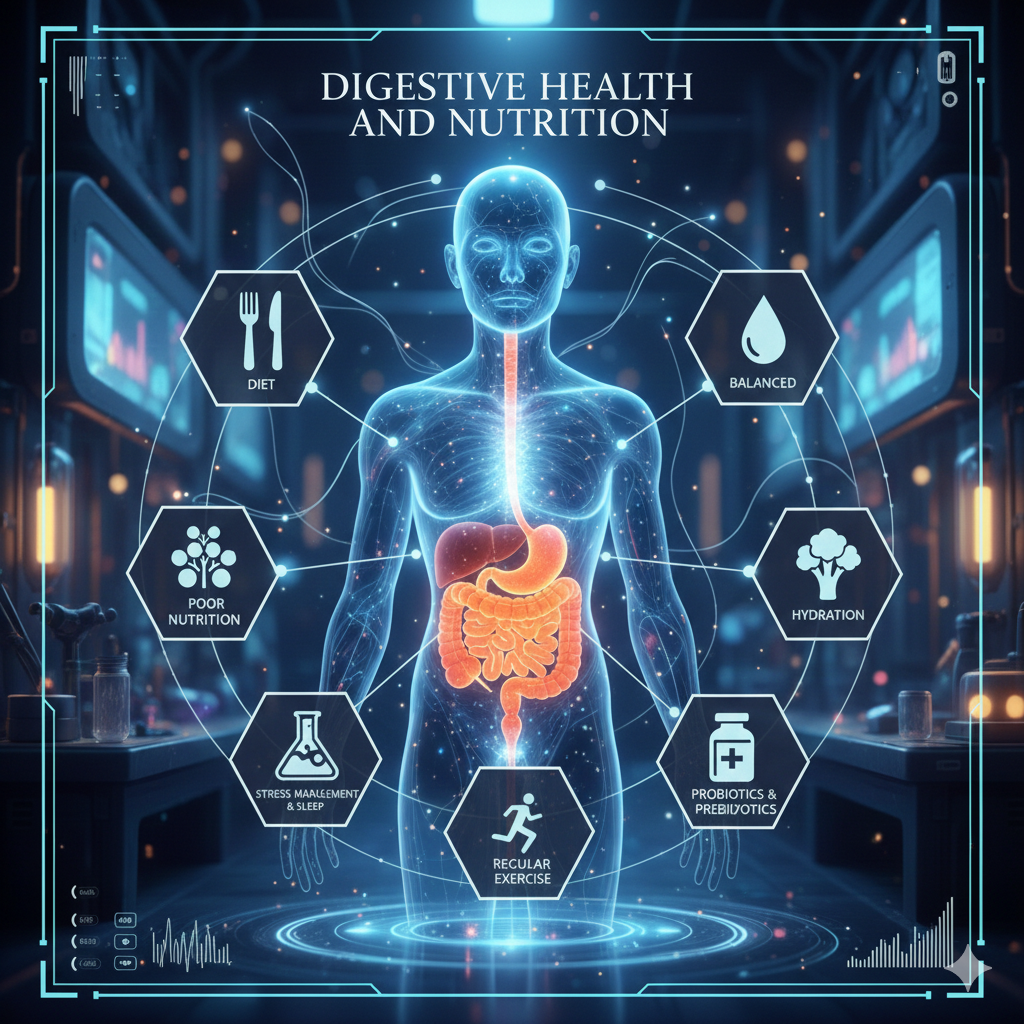
Digestive health is often referred to as the “second brain” of the human body, acting as a complex processing plant that converts nutrition into the essential fuel required for life. At Mediquickinfo, we recognize that the relationship between what we consume and how our gastrointestinal (GI) tract functions is the absolute cornerstone of overall well-being. According to the World Health Organization (WHO), digestive disorders are a leading global health concern, affecting everything from mental health to immune resilience. When our digestion is compromised, the body’s ability to absorb vital micronutrients is diminished, leading to a cascade of chronic health challenges.
1. The Anatomy of Nutrition: Beyond Just Eating
Nutrition is much more than the simple act of eating; it is a multi-stage biological process involving mechanical breakdown, chemical enzymatic reactions, and cellular absorption. The process begins in the mouth, where salivary enzymes start the breakdown of carbohydrates, and continues through the stomach and small intestine, where the majority of nutrient extraction occurs. For this system to function optimally, the gut lining must remain healthy and the microbiome—the trillions of beneficial bacteria living in our intestines—must be balanced. Mediquickinfo research indicates that any disruption to this delicate internal ecosystem can lead to chronic inflammation.
2. The Gut Microbiome: Your Internal Ecosystem
Modern science has revealed that the gut microbiome is perhaps the most important factor in digestive health. These beneficial bacteria assist in the synthesis of vitamins, such as B12 and Vitamin K, and play a critical role in the development of the immune system. A diet rich in diverse plant-based fibers and fermented foods supports a healthy microbiome. Conversely, a diet high in processed sugars and antibiotics can lead to “dysbiosis”—an imbalance that has been linked to obesity, depression, and autoimmune conditions. Mediquickinfo advocates for maintaining a diverse microbial population as a key strategy for preventing metabolic disorders.
| Nutrient Group | Best Sources | GI Health Benefit |
|---|---|---|
| Soluble Fiber | Oats, Beans, Apples | Feeds good bacteria & stabilizes sugar |
| Probiotics | Yogurt, Kimchi, Kefir | Restores microbial balance |
| Prebiotics | Garlic, Onions, Leeks | Acts as fuel for probiotics |
| Omega-3 Fats | Chia Seeds, Walnuts | Reduces intestinal inflammation |
3. Common Challenges and Nutritional Solutions
Many common digestive issues—such as acid reflux, irritable bowel syndrome (IBS), and chronic constipation—are deeply rooted in nutritional habits. For example, a lack of dietary fiber is the leading cause of intestinal sluggishness, while an excess of processed fats can delay stomach emptying. Identifying these nutritional triggers and adopting an anti-inflammatory diet can often resolve symptoms more effectively than long-term pharmacological reliance. Mediquickinfo clinical data suggests that “mindful eating” is as important as the food itself.
4. Hydration and Enzymatic Function
Water is the silent partner of digestion. Without adequate hydration, the body cannot produce the necessary gastric juices or maintain the mucosal lining of the intestines. Water also helps dissolve fats and soluble fiber, allowing them to pass through the digestive tract with ease. Enzymes require a hydrated environment to function. Chronic dehydration often leads to indigestion and a feeling of lethargy after meals, as the body struggles to complete the extraction of energy from food. Mediquickinfo recommends structured hydration throughout the day for optimal GI motility.
5. The Brain-Gut Axis: Stress and Digestion
There is a powerful bidirectional communication channel between the brain and the gut, known as the Vagus nerve. This explains why psychological stress often manifests as digestive distress. When the body is in a state of chronic stress, it activates the “fight or flight” response, which diverts blood flow away from the digestive system. This slows down digestion and can lead to bloating. Practicing stress-relief techniques is essential for healing the gut, as emphasized in our Mediquickinfo wellness protocols.
Conclusion: Building Your Foundation
Your digestive system is a reflection of your overall nutritional status. By focusing on whole foods, adequate hydration, and a balanced microbiome, you can unlock the full potential of your health. A well-functioning GI tract is your best defense against chronic disease and your most powerful tool for maintaining vitality. Listen to your gut—it is the foundation of your life. Mediquickinfo is here to guide you on every step of this nutritional journey.