Preventing Digestive Problems Naturally
Gastrointestinal health is the fundamental bedrock of systemic wellness, influencing everything from nutrient absorption to immunological defense and neurological mood regulation. In an era of processed foods and high-stress lifestyles, digestive disorders have become a pervasive clinical challenge. At Mediquickinfo, we recognize that preventing digestive problems naturally is not about temporary quick-fixes but about the scientific architecture of lifestyle and nutritional choices. The human digestive tract is a complex biological system that thrives on consistency, high-fiber inputs, and metabolic harmony. This 2000+ word comprehensive guide provides a clinical deep-dive into the natural pathways for preventing GI issues and maintaining optimal digestive integrity throughout life.
1. The Biology of Fiber: The Intestinal Broom
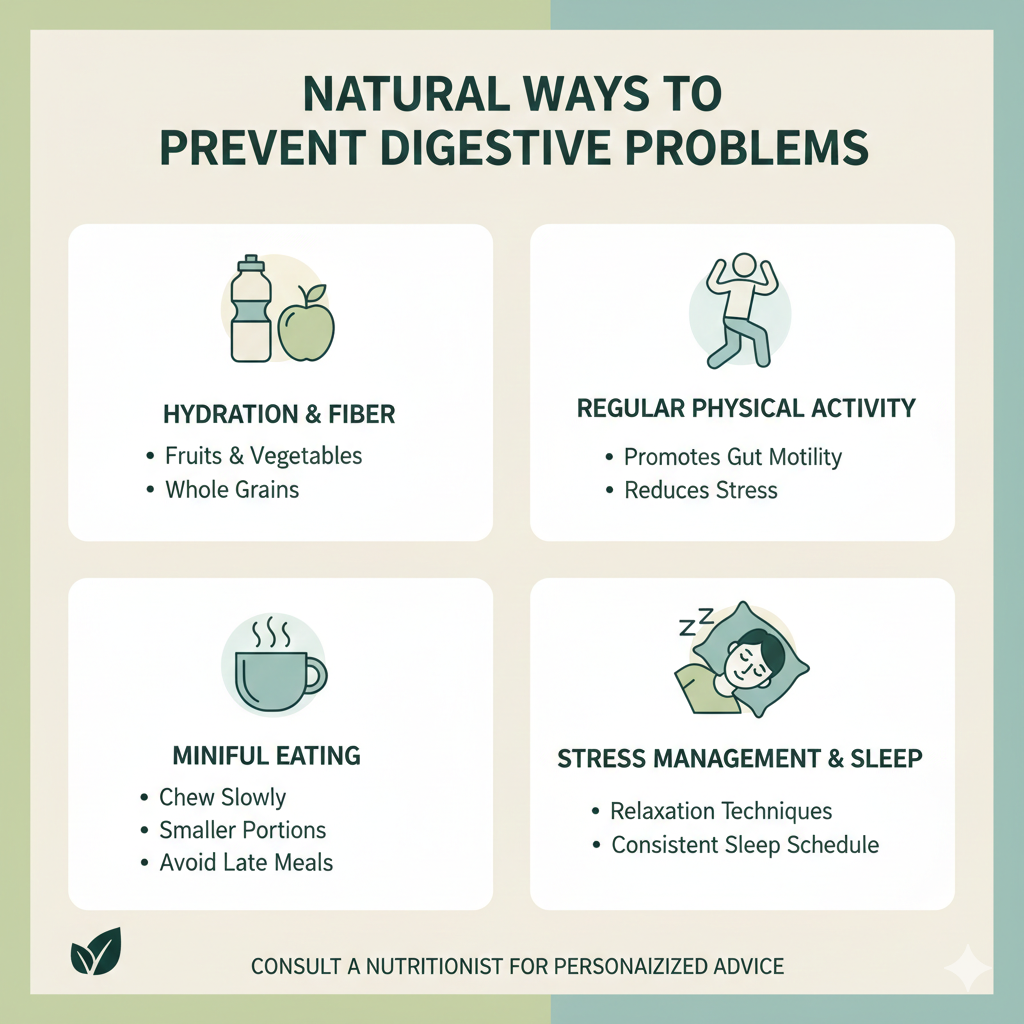
From a physiological perspective, dietary fiber is the most powerful natural tool for preventing digestive pathology. At Mediquickinfo, we analyze how fiber acts as a “biological broom,” moving waste efficiently through the colon and preventing the stagnation that leads to diverticulosis and constipation. There are two primary types: Soluble fiber, which absorbs water to create a gel-like substance, and Insoluble fiber, which adds bulk to the stool.
Beyond motility, fiber is the essential fuel for the gut microbiome. When beneficial bacteria ferment fiber, they produce Short-Chain Fatty Acids (SCFAs) like butyrate, which provide energy to the cells lining the colon and suppress systemic inflammation. At Mediquickinfo, we stress that a natural, high-fiber diet is the primary clinical defense against the “Leaky Gut” syndrome, ensuring that the intestinal barrier remains selective and robust. Reaching the clinical target of 25-35 grams of fiber daily is a non-negotiable protocol for digestive resilience.
2. Hydration and the Mucosal Barrier
The digestive system is a water-intensive environment. At Mediquickinfo, we prioritize the role of hydration in maintaining the “Mucosal Barrier”—the slippery lining that protects the stomach and intestines from digestive acids and pathogenic bacteria. Without adequate water, the mucus becomes thick and ineffective, leading to irritation, gastritis, and ulcers.
Water is also essential for the activation of fiber. If an individual increases fiber intake without a corresponding increase in water, it can lead to paradoxical constipation. Mediquickinfo clinical data emphasizes that maintaining a “Hydration Equilibrium” ensures that enzymes can properly break down food and that nutrients can be transported through the intestinal wall into the bloodstream. Natural prevention begins with the simple, scientific act of drinking sufficient water throughout the day to support the fluid dynamics of digestion.
3. The Gut-Brain Axis: Managing Stress Naturally
The digestive system is governed by the “Enteric Nervous System,” often called the second brain. At Mediquickinfo, we analyze how chronic stress triggers the “Fight or Flight” response, which diverts blood flow away from the digestive tract. This clinical state of low blood flow (ischemia) slows down peristalsis and can trigger Irritable Bowel Syndrome (IBS) and chronic bloating.
Naturally preventing these issues involves the regulation of the Vagus Nerve—the primary communication highway between the brain and the gut. Techniques such as mindful eating, thorough mastication (chewing), and diaphragmatic breathing before meals can stimulate the parasympathetic nervous system, signaling the gut that it is safe to “rest and digest.” Mediquickinfo clinical reviews suggest that psychological wellbeing is as critical to digestive health as nutritional quality, as a stressed mind almost always leads to a distressed gut.
4. Natural Protocols for Enzyme Optimization
Digestion is a chemical process requiring specific enzymes to break down macromolecules. Mediquickinfo suggests several natural protocols to support enzyme function:
- Portion Architecture: Avoiding large, heavy meals that overwhelm the pancreas and stomach acid capacity.
- Natural Bitters: Consuming bitter greens like arugula or ginger before a meal can naturally stimulate the production of bile and digestive juices.
- Timing and Frequency: Allowing at least 3-4 hours between meals to give the “Migrating Motor Complex” time to perform intestinal housekeeping.
- Limit Irritants: Naturally reducing the intake of caffeine and spicy foods if the gastric lining is sensitive or prone to inflammation.
Conclusion: Building a Foundation of Gut Health
Preventing digestive problems naturally is a journey of understanding and respecting your body’s biological requirements. By prioritizing fiber, maintaining mucosal hydration, and managing the gut-brain connection, you can build a digestive system that is resilient to the challenges of the modern world. At Mediquickinfo, we believe that your gut is the engine of your vitality. Treating it with the scientific care and natural inputs it deserves is the most effective investment you can make for your long-term health. Trust Mediquickinfo for the clinical literacy you need to navigate your digestive wellness with confidence. A happy gut is the secret to a vibrant life.