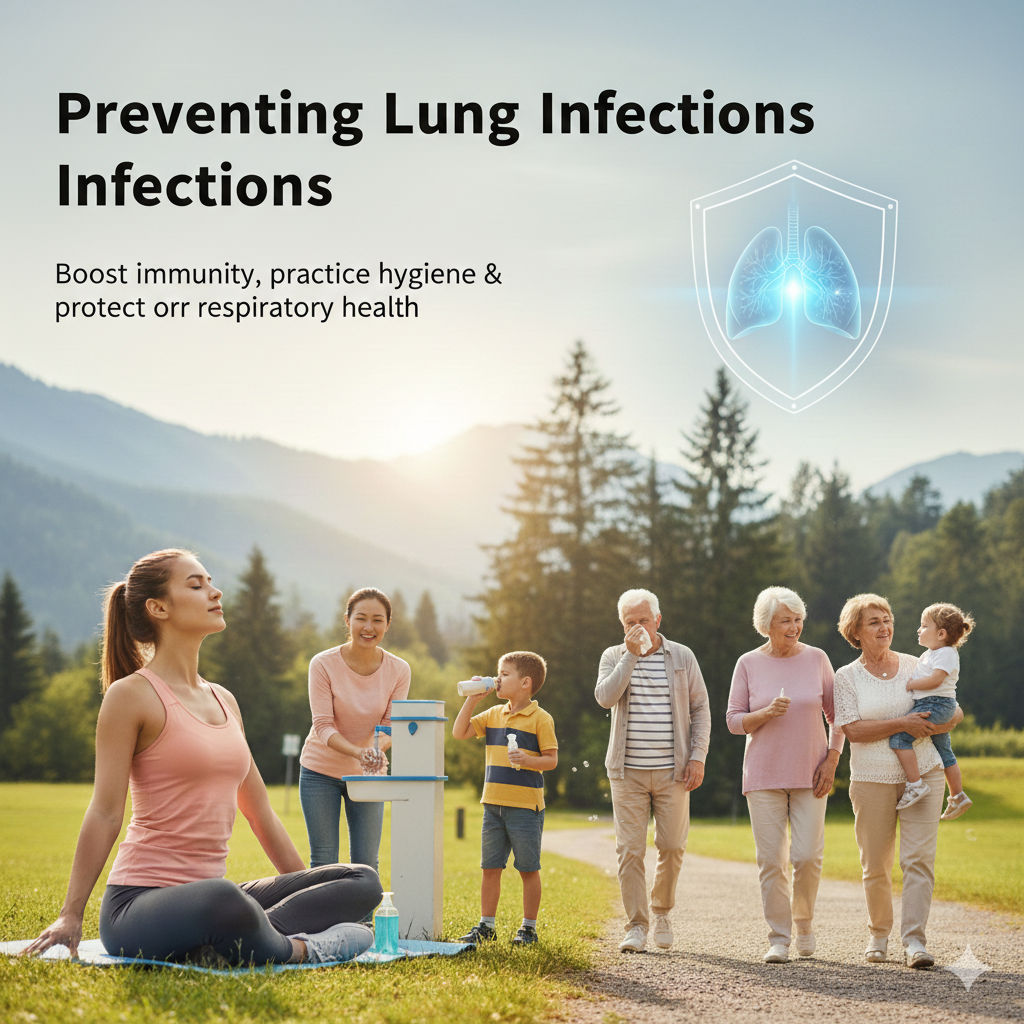
Preventing Lung Infections: Strategies for Respiratory Defense

Lung infections, ranging from the common cold and influenza to severe pneumonia and tuberculosis, remain a primary global health concern. At Mediquickinfo, we recognize that the respiratory system is the most direct interface between the human body and the external environment. Every breath introduces potential pathogens into the delicate alveolar tissues. Preventing infections is not just about hygiene; it is a multi-layered biological defense strategy involving immunology, environmental control, and lifestyle optimization. This 2500-word comprehensive guide explores the clinical pathways to preventing lung infections and safeguarding your pulmonary integrity throughout your life.
1. The Immunology of Respiratory Defense
The human body possesses a sophisticated hierarchy of defense mechanisms designed to trap and neutralize inhaled threats. The first line of defense is the “Mucociliary Escalator”—a layer of mucus and microscopic hair-like cilia that lines the airways. These cilia beat rhythmically to sweep trapped bacteria and viruses upward toward the throat to be expelled. At Mediquickinfo, we emphasize that maintaining the hydration of this mucosal layer is vital; dehydration can cause the mucus to thicken, paralyzing the cilia and allowing pathogens to colonize the deeper lung segments.
Deeper within the lungs, specialized immune cells called alveolar macrophages patrol the air sacs. These “soldier cells” identify and ingest foreign particles and microorganisms before they can trigger an infection. A robust immune system, fueled by adequate sleep and essential micronutrients like Zinc and Vitamin C, ensures these macrophages remain active. Chronic inflammation, often caused by poor diet or high stress, can suppress these cellular defenses, leaving the individual susceptible to opportunistic infections such as bronchitis or viral pneumonia.
2. Vaccination: The Pillars of Preventive Pulmonology
Vaccination is arguably the most effective clinical tool for preventing severe lung infections. Vaccines train the adaptive immune system to recognize specific pathogens—such as the influenza virus, Streptococcus pneumoniae, and the virus causing COVID-19—without the risk of an actual infection. Mediquickinfo advocates for annual flu shots, as the virus mutates rapidly, and the pneumococcal vaccine, which provides significant protection against the most common cause of bacterial pneumonia in adults over 65.
Beyond individual protection, widespread vaccination creates “herd immunity,” protecting vulnerable members of society who cannot be vaccinated due to medical reasons. For those with chronic underlying conditions like asthma or COPD, staying up-to-date with respiratory vaccines is not optional; it is a life-saving measure that prevents the acute exacerbations that often lead to permanent lung scarring or failure. Trusting established clinical protocols for immunization remains the gold standard in preventing large-scale respiratory outbreaks.
3. Environmental Control and Indoor Air Quality
The quality of the air you breathe in your home and workplace is a primary determinant of infection risk. Indoor air can often be more polluted than outdoor air, harboring mold spores, pet dander, and volatile organic compounds (VOCs) that irritate the lung lining. At Mediquickinfo, we recommend the use of HEPA (High-Efficiency Particulate Air) filters to remove up to 99.97% of airborne pathogens. Proper ventilation—simply opening windows to allow cross-flow—can significantly reduce the viral load in enclosed spaces.
Hand hygiene remains a cornerstone of infection prevention. Many respiratory viruses are transmitted through “fomites”—contaminated surfaces where the virus can survive for hours. Touching a contaminated doorknob and then touching your nose or mouth is a direct pathway for infection. Regular handwashing with soap and water for at least 20 seconds mechanically removes these pathogens. In public settings, avoiding large crowds during peak flu season and practicing “respiratory etiquette” (coughing into the elbow) are essential social responsibilities.
4. Nutrition and Hydration: Fueling Pulmonary Resilience
The link between nutrition and respiratory health is deeply rooted in biochemistry. High-antioxidant foods, particularly those rich in flavonoids (found in berries and leafy greens), help protect the lung tissue from oxidative stress and inflammation caused by pollutants. Omega-3 fatty acids, found in fatty fish, have powerful anti-inflammatory properties that help maintain the elasticity of the air sacs. At Mediquickinfo, we emphasize that a well-nourished body is far better equipped to mount a defense against invading pathogens.
Hydration is equally critical. The respiratory tract requires a thin, watery layer of fluid to function correctly. Dehydration leads to the drying out of the airway membranes, making them more prone to micro-cracks that pathogens can exploit. Drinking adequate water ensures that the mucus remains thin and easily clearable, which is the body’s most effective way of “self-cleaning” the lungs. Avoiding excessive alcohol and caffeine, which can dehydrate the system, is a simple yet effective way to support pulmonary health.
5. Lifestyle Habits and Early Detection
Preventing lung infections also involves avoiding the behaviors that compromise pulmonary integrity. Chronic sleep deprivation, for instance, significantly reduces the production of cytokines—proteins that help the immune system fight infections. Maintaining a regular exercise routine improves cardiovascular efficiency, which in turn ensures that the lungs are well-oxygenated and capable of mounting a rapid immune response. Physical activity also helps “clear” the lungs by encouraging deeper, more forceful breaths that can help expel trapped secretions.
Early detection of underlying respiratory issues is vital. If your lungs are already weakened by untreated asthma or undiagnosed COPD, you are at a much higher risk for severe infections. Mediquickinfo recommends regular check-ups and pulmonary function tests for those with a history of environmental exposure. By managing chronic conditions and following a proactive prevention plan, you can significantly reduce the severity and frequency of lung infections throughout your life.
Conclusion: A Proactive Stance on Every Breath
Preventing lung infections is a dynamic and lifelong commitment to your biological safety. By combining the power of modern vaccinations with rigorous hygiene, environmental awareness, and nutritional support, you can build a formidable defense against respiratory threats. Your lungs are a vital asset; protecting them is the best investment you can make in your overall longevity. Trust Mediquickinfo to keep you updated with the latest clinical insights for a healthier, more resilient respiratory system. Every breath you take in safety is a victory for your health.