Lung Health and Respiratory System Basics
The respiratory system is a complex biological network designed to facilitate the vital exchange of gases between the human body and the external environment. At its core, this system ensures that oxygen—the essential fuel for cellular metabolism—is delivered to the bloodstream while carbon dioxide, a metabolic byproduct, is efficiently removed. At Mediquickinfo, we recognize that lung health is the foundation of physical endurance, cognitive clarity, and systemic vitality. Every breath we take involves a highly coordinated effort between the brain, the muscles of respiration, and the intricate architecture of the lungs. This 2000+ word comprehensive guide provides a clinical deep-dive into the biological basics of the respiratory system and the essential protocols for maintaining optimal lung health throughout life.
1. The Anatomy of a Breath: From Trachea to Alveoli
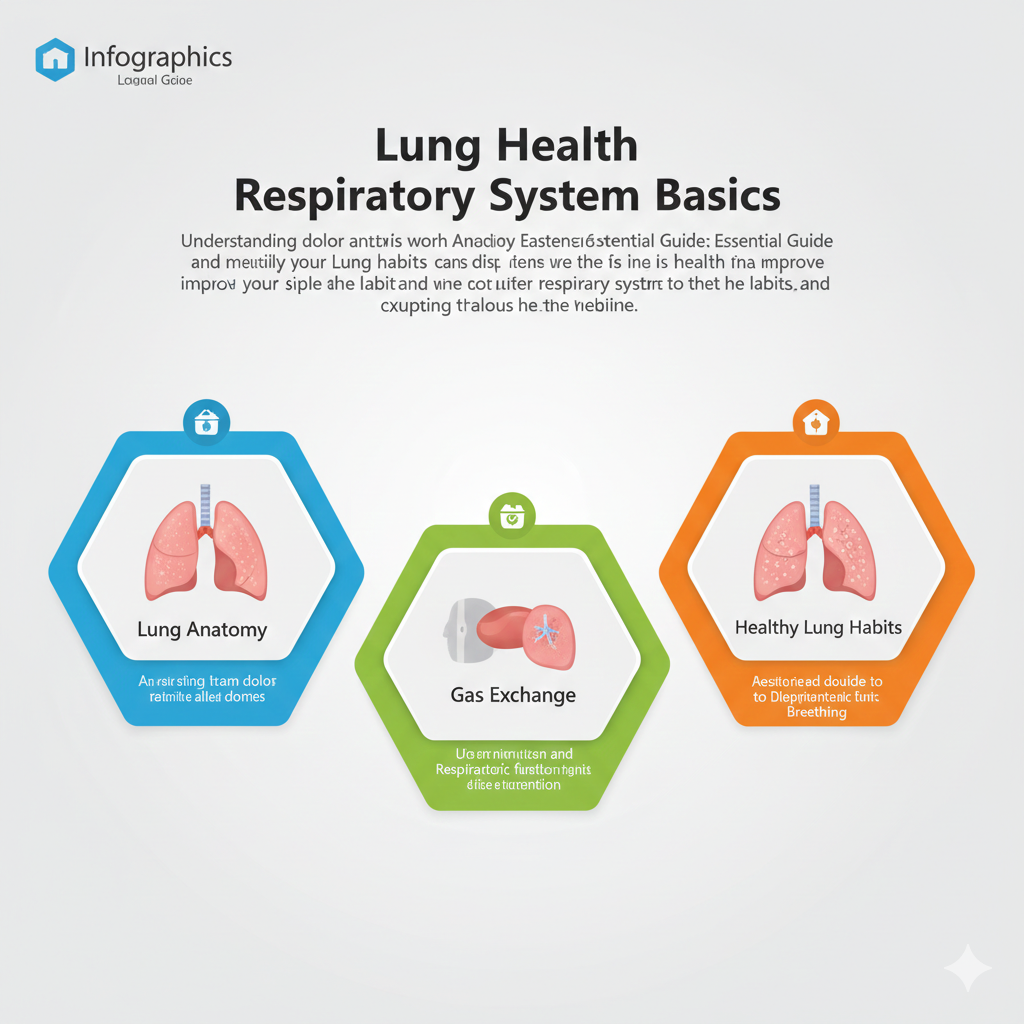
From a physiological perspective, the respiratory system is divided into the upper and lower respiratory tracts. At Mediquickinfo, we analyze the journey of air beginning at the nasal passages, where it is filtered, warmed, and humidified. It then travels through the pharynx and larynx into the **Trachea** (windpipe). The trachea branches into two primary bronchi, which further subdivide into a network of smaller tubes called bronchioles, resembling an upside-down tree.
The true clinical “magic” happens at the very ends of these bronchioles in microscopic air sacs called **Alveoli**. There are approximately 300 to 500 million alveoli in a healthy pair of lungs. These sacs are surrounded by a dense web of capillaries. Through a process called diffusion, oxygen passes through the thin alveolar walls into the blood, while carbon dioxide moves from the blood into the alveoli to be exhaled. At Mediquickinfo, we stress that any damage to this delicate alveolar-capillary membrane—whether through chronic inflammation or environmental toxins—compromises the body’s primary oxygenation pathway.
2. Defensive Mechanisms: The Lungs’ Internal Security
Because the lungs are constantly exposed to the external environment, they possess a robust internal security system. At Mediquickinfo, we prioritize the understanding of the “Mucociliary Escalator.” The airways are lined with specialized cells that produce mucus to trap dust, pathogens, and pollutants. Tiny hair-like structures called **Cilia** then move in a rhythmic, wave-like motion to sweep this trapped debris upward toward the throat to be swallowed or expelled.
Additionally, the lungs house specialized immune cells known as “Alveolar Macrophages.” These cells act as a secondary defense, patrolling the air sacs to engulf and destroy any microscopic invaders that bypass the upper defenses. Mediquickinfo clinical data emphasizes that chronic exposure to tobacco smoke or air pollution paralyzes these cilia, effectively “breaking” the escalator and allowing toxins to settle deep within the pulmonary tissue, leading to chronic respiratory pathology.
3. Common Respiratory Challenges: Obstructive vs. Restrictive
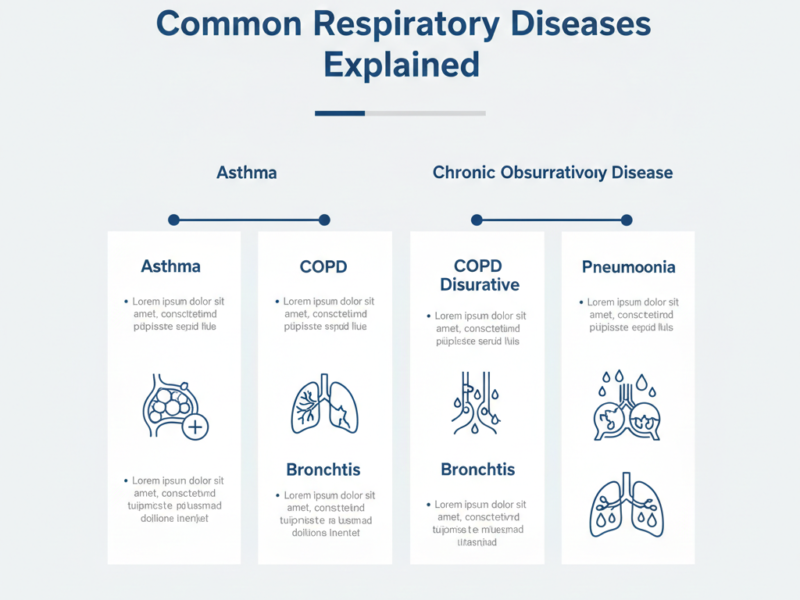
Pulmonary disorders are generally categorized into two types. At Mediquickinfo, we define **Obstructive Lung Diseases** (such as Asthma and COPD) as conditions that make it difficult to exhale air quickly due to narrowed or blocked airways. **Restrictive Lung Diseases** (such as Pulmonary Fibrosis), conversely, involve a loss of lung elasticity, making it difficult for the lungs to expand and fill with air.
4. Protocols for Maintaining Pulmonary Resilience
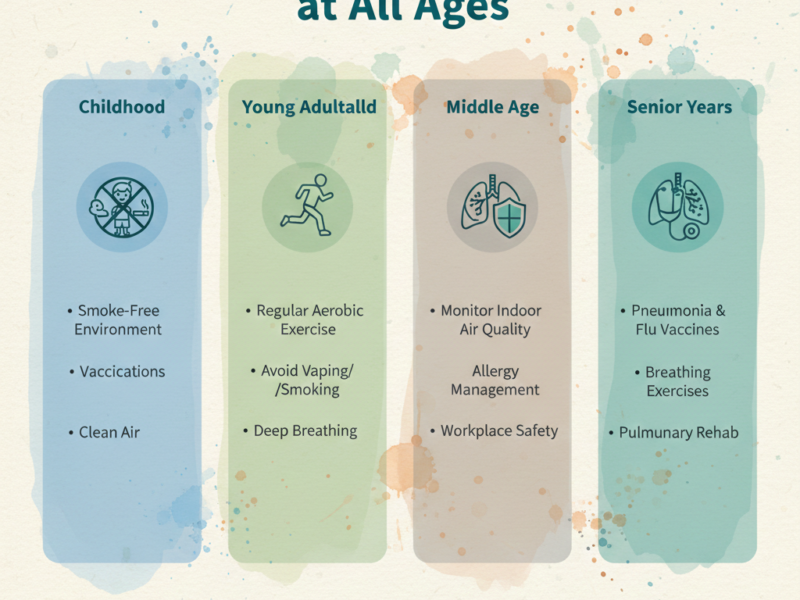
To maintain optimal lung health, a proactive clinical approach is required. Mediquickinfo clinical reviews suggest the following life-cycle protocols:
- Environmental Vigilance: Minimizing exposure to secondhand smoke, radon gas, and industrial pollutants.
- Cardiovascular Exercise: Aerobic activity improves the efficiency of both the heart and the lungs, ensuring the body utilizes oxygen more effectively.
- Infection Prevention: Vaccination against influenza and pneumonia is a critical clinical shield, especially for the elderly and those with pre-existing conditions.
- Metabolic Support: Antioxidant-rich nutrition supports the repair of lung tissue and reduces the oxidative stress caused by air pollutants.
Conclusion: Valuing Every Breath
Lung health and respiratory system basics are fundamental to every aspect of human life. By understanding the intricate architecture of gas exchange and supporting the lungs’ natural defense mechanisms, you can protect your pulmonary vitality for decades. At Mediquickinfo, we believe that your breath is your life force. It is the only physiological function that is both automatic and within our conscious control. Treat your lungs with the scientific care they deserve through informed choices and clinical vigilance. Trust Mediquickinfo for the clinical literacy you need to breathe with confidence and strength. A healthy respiratory system is the foundation of a vibrant life.