Immunization Importance for Children
Immunization stands as one of the most significant achievements in the history of public health, saving millions of lives every year and eradicating diseases that once caused widespread disability and death. For children, whose immune systems are still developing, vaccination provides a critical shield against a host of dangerous pathogens. At Mediquickinfo, we recognize that immunization is not merely an individual health choice but a foundational pillar of clinical pediatric care and global biological security. This 2000+ word comprehensive guide explores the physiological mechanisms of vaccines, the importance of adherence to clinical schedules, and the evidence-based role of immunization in fostering a healthier future for the next generation.
1. The Biological Mechanism: How Vaccines Train the Immune System
To understand the importance of immunization, one must first grasp the concept of “Immunological Memory.” When a pathogen enters the body naturally, the immune system takes time to identify the threat and produce specific antibodies to fight it. During this time, the child becomes ill. At Mediquickinfo, we explain that vaccines contain weakened or inactivated versions of a virus or bacteria, or even just small fragments of their genetic code. These “mock invaders” stimulate the immune system to produce antibodies without causing the actual disease.
Once the immune system has successfully “learned” how to fight these specific pathogens, it stores this information in specialized “memory cells.” If the child is ever exposed to the real disease in the future, these memory cells instantly recognize the invader and produce a rapid, overwhelming antibody response, neutralizing the pathogen before it can cause harm. This proactive biological training is what makes vaccines so effective. By utilizing the body’s natural defensive capabilities, immunization provides a safe and permanent way to achieve immunity against life-threatening illnesses such as Polio, Hepatitis, and Tetanus.
2. Herd Immunity: Protecting the Vulnerable Community
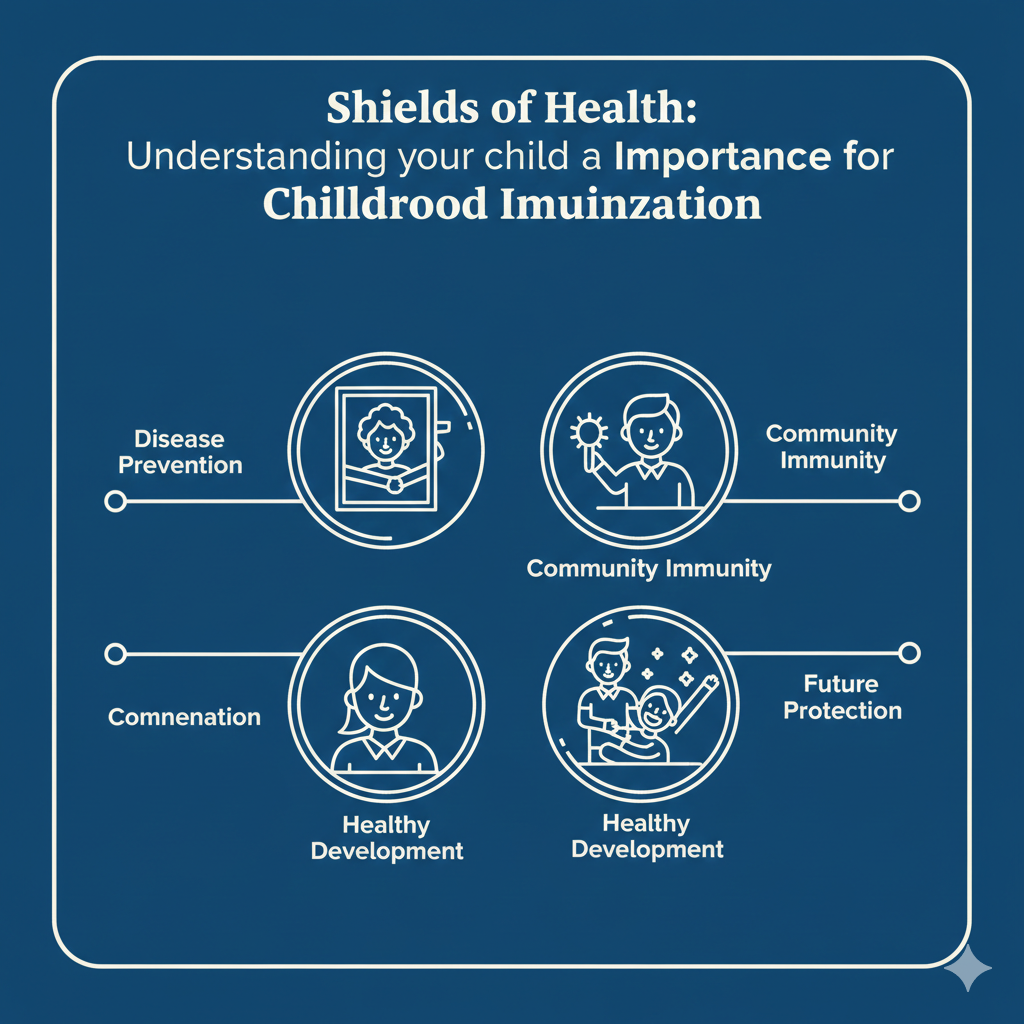
Immunization serves a purpose far greater than individual protection; it is the engine behind “Herd Immunity” (or community immunity). When a high percentage of a population (typically 80% to 95%, depending on the disease) is vaccinated, the pathogen has difficulty finding a host to infect, effectively halting its spread. Mediquickinfo clinical data highlights that herd immunity is the only way to protect those who cannot be vaccinated for medical reasons—such as infants too young for certain doses, individuals with severe allergies, or children with compromised immune systems due to leukemia or other cancers.
When vaccination rates drop below these critical thresholds, “outbreak clusters” occur, putting the most vulnerable members of society at extreme risk. Historically, diseases like Measles and Pertussis (Whooping Cough) have seen resurgences in communities where immunization literacy has declined. At Mediquickinfo, we stress that by vaccinating your child, you are not only safeguarding their health but also contributing to a “biological shield” that protects your entire community from the return of eradicated plagues.
3. The Clinical Necessity of Following the Schedule
The pediatric immunization schedule is not arbitrary; it is a meticulously designed clinical framework developed by infectious disease specialists and neurologists. Each vaccine is timed to provide protection at the exact moment a child’s immune system is ready to respond and when they are most vulnerable to that specific disease. Mediquickinfo advises parents against “delayed” or “alternative” schedules, as these leave children unprotected during their most formative and high-risk months.
For instance, the timing of the Hib vaccine is crucial because the bacteria Haemophilus influenzae type b primarily targets infants and toddlers, causing severe meningitis and epiglottitis. Similarly, the multi-dose nature of many vaccines (boosters) is necessary to ensure that the immunological memory remains strong and effective throughout childhood and into adulthood. Adhering to the established schedule ensures that the child receives the maximum possible benefit from each dose while minimizing the risk of adverse reactions through scientifically proven spacing.
4. Debunking Myths: The Science of Vaccine Safety
One of the greatest barriers to immunization is misinformation. Mediquickinfo is committed to providing evidence-based truth: modern vaccines undergo more rigorous testing and safety monitoring than almost any other medical product. Before a vaccine is approved for pediatric use, it undergoes years of clinical trials involving thousands of participants to evaluate its safety and efficacy. Furthermore, systems like VAERS (Vaccine Adverse Event Reporting System) provide continuous, real-time monitoring even after a vaccine is in general use.
The widely debunked link between vaccines and autism originated from a single, fraudulent study that has been retracted and disproven by hundreds of independent large-scale studies involving millions of children. At Mediquickinfo, we emphasize that the ingredients in vaccines—such as trace amounts of stabilizers—are safe and often found in higher quantities in everyday foods. The risk of a severe allergic reaction to a vaccine is estimated at approximately one in a million, whereas the risk of death or permanent disability from the diseases they prevent is thousands of times higher.
Conclusion: A Legacy of Health and Longevity
Immunization is the most powerful tool we have to ensure that every child reaches their full potential, free from the burden of preventable illness. By vaccinating your child, you are providing them with a biological foundation for a healthy life and fulfilling your responsibility to the global community. At Mediquickinfo, we believe that health literacy is the key to overcoming fear and protecting the future. Your child’s health is a precious asset—guard it with the most advanced scientific defense available. Trust Mediquickinfo for the clinical literacy you need to navigate pediatric health with confidence. A vaccinated child is a protected child, and a protected child is the hope of a resilient tomorrow.