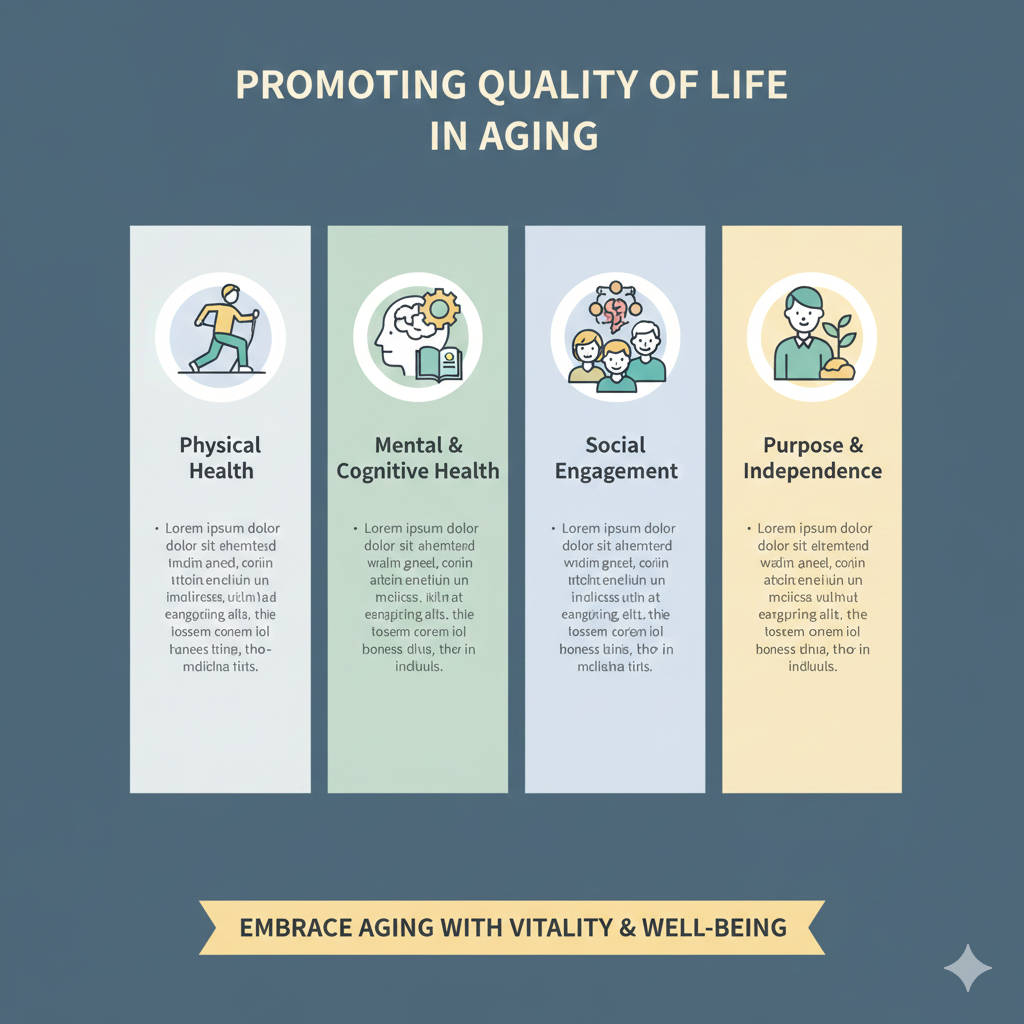
Promoting Quality of Life in Aging
Aging is an inevitable biological process, but the decline in the quality of life often associated with it is not. In clinical geriatrics, “Quality of Life” (QoL) is defined as a multi-dimensional concept encompassing physical health, psychological well-being, social relationships, and environmental stability. At Mediquickinfo, we recognize that promoting a high quality of life in aging requires a proactive, evidence-based approach that addresses the unique physiological and emotional needs of older adults. As life expectancy continues to increase globally, the focus of medicine has shifted from merely extending years of life to ensuring those years are lived with vitality, autonomy, and purpose. This 2000+ word comprehensive guide explores the clinical foundations of healthy aging and provides actionable strategies for maintaining peak wellness in the later stages of life.
1. The Biology of Aging and Physical Resilience
From a physiological perspective, aging involves the gradual accumulation of cellular damage and a decline in the body’s homeostatic reserves. At Mediquickinfo, we emphasize that “Physical Resilience”—the body’s ability to recover from stressors—is a primary marker of quality of life. One of the most significant challenges in aging is Sarcopenia, the age-related loss of muscle mass and strength. This condition is clinically linked to an increased risk of falls, fractures, and loss of independence. Maintaining musculoskeletal integrity through resistance training and adequate protein intake is a non-negotiable protocol for healthy aging.
Cardiovascular health also undergoes significant transformations. Arterial stiffness and a decrease in maximum heart rate can limit physical capacity. However, regular aerobic exercise, such as brisk walking or swimming, stimulates “Angiogenesis” (the formation of new blood vessels) and improves myocardial efficiency. Furthermore, managing chronic conditions like hypertension and Type 2 diabetes through metabolic optimization is essential for preventing secondary complications like stroke or chronic kidney disease. At Mediquickinfo, we view physical activity not just as an exercise, but as a “Biological Intervention” that preserves organ function and metabolic health.
2. Cognitive Preservation and Mental Vitality
Maintaining cognitive function is perhaps the most critical factor for autonomy in old age. The brain, like any other organ, requires targeted support to resist neurodegeneration. Mediquickinfo research highlights the importance of “Cognitive Reserve”—the brain’s ability to improvise and find alternate ways of getting a job done. This reserve is built through lifelong learning, social engagement, and complex mental activities. Clinically, preventing “Neuroinflammation” through a diet rich in Omega-3 fatty acids and antioxidants is vital for protecting the neurons from oxidative stress.
Sleep quality also plays a paramount role in cognitive preservation. During deep sleep, the brain’s “Glymphatic System” clears out metabolic waste products, including amyloid-beta plaques associated with Alzheimer’s disease. Older adults often experience changes in sleep architecture, but maintaining a consistent sleep-wake cycle and addressing clinical sleep apnea can significantly improve daytime mental clarity and emotional regulation. At Mediquickinfo, we advocate for a holistic neurological approach that combines mental stimulation with restorative rest to maintain peak brain health.
3. Nutrition and Metabolic Harmony
Nutritional needs become more complex as we age. Due to a decrease in basal metabolic rate and changes in digestive efficiency, older adults require “Nutrient-Dense” diets—fewer calories but higher concentrations of vitamins and minerals. At Mediquickinfo, we prioritize the intake of Vitamin B12, Vitamin D, and Calcium to support neurological health and bone density. The “Gut-Brain Axis” also becomes more significant; maintaining a diverse gut microbiome through fiber and fermented foods supports immune function and mood stability.
4. Social Connectivity and Emotional Resilience
Social isolation is a significant clinical risk factor for mortality in older adults, comparable to smoking or obesity. Mediquickinfo clinical reviews suggest that maintaining strong social ties lowers the levels of cortisol (the stress hormone) and reduces systemic inflammation. Emotional resilience—the ability to adapt to the losses and changes that come with aging—is fostered through purpose-driven activities, whether through volunteering, hobbies, or intergenerational connections. Mental health support is also crucial; depression in the elderly is often underdiagnosed because it may manifest as physical complaints or memory issues.
Conclusion: Aging as a Journey of Vitality
Quality of life in aging is not an accident of genetics; it is the result of intentional, clinical choices. By prioritizing musculoskeletal strength, cognitive stimulation, nutritional density, and social engagement, you can ensure that the later years of life are a period of growth and fulfillment. At Mediquickinfo, we believe that every individual has the potential for a vibrant, autonomous life at any age. Your health is a lifelong investment, and the dividends are paid in the quality of your daily experiences. Trust Mediquickinfo for the evidence-based literacy you need to navigate the journey of aging with confidence and grace. A life well-lived is a life well-cared for.