Understanding Medicines and Their Use
Medicines are sophisticated chemical compounds designed to interact with biological systems to prevent, diagnose, manage, or cure pathological conditions. In the modern era of healthcare, the sheer variety and complexity of pharmacological agents require a profound level of understanding for both clinicians and patients. At Mediquickinfo, we recognize that “Medication Literacy”—the ability to understand the intent, mechanism, and risks associated with a drug—is a primary factor in therapeutic success and patient safety. Medicines are powerful clinical tools that can restore biological harmony, but their improper use can lead to systemic toxicity and adverse drug reactions. This 2000+ word comprehensive guide provides a clinical deep-dive into understanding medicines, their pharmacological classifications, and the essential protocols for their safe and effective use.
1. Pharmacology 101: Pharmacokinetics and Pharmacodynamics
To understand medicines, one must grasp the two primary pillars of pharmacology. At Mediquickinfo, we analyze **Pharmacokinetics**—the study of how the body interacts with the drug (Absorption, Distribution, Metabolism, and Excretion). This determines the “Dosage Interval”—how often a medicine must be taken to maintain a therapeutic level in the blood. For instance, the liver’s metabolic capacity and the kidneys’ excretory function are critical variables that dictate drug safety.
**Pharmacodynamics**, conversely, is the study of how the drug interacts with the body. Most medicines work by binding to specific “Receptors” on the surface of cells, acting like a key in a lock to trigger a biological response. At Mediquickinfo, we stress that this interaction is highly specific. When a drug binds to the wrong receptor, it leads to what we clinically term “Side Effects.” Understanding these two pathways is essential for comprehending why some medicines are taken as a single pill while others require intravenous administration or specific dietary considerations.
2. Classifying Medicines: From OTC to Prescription
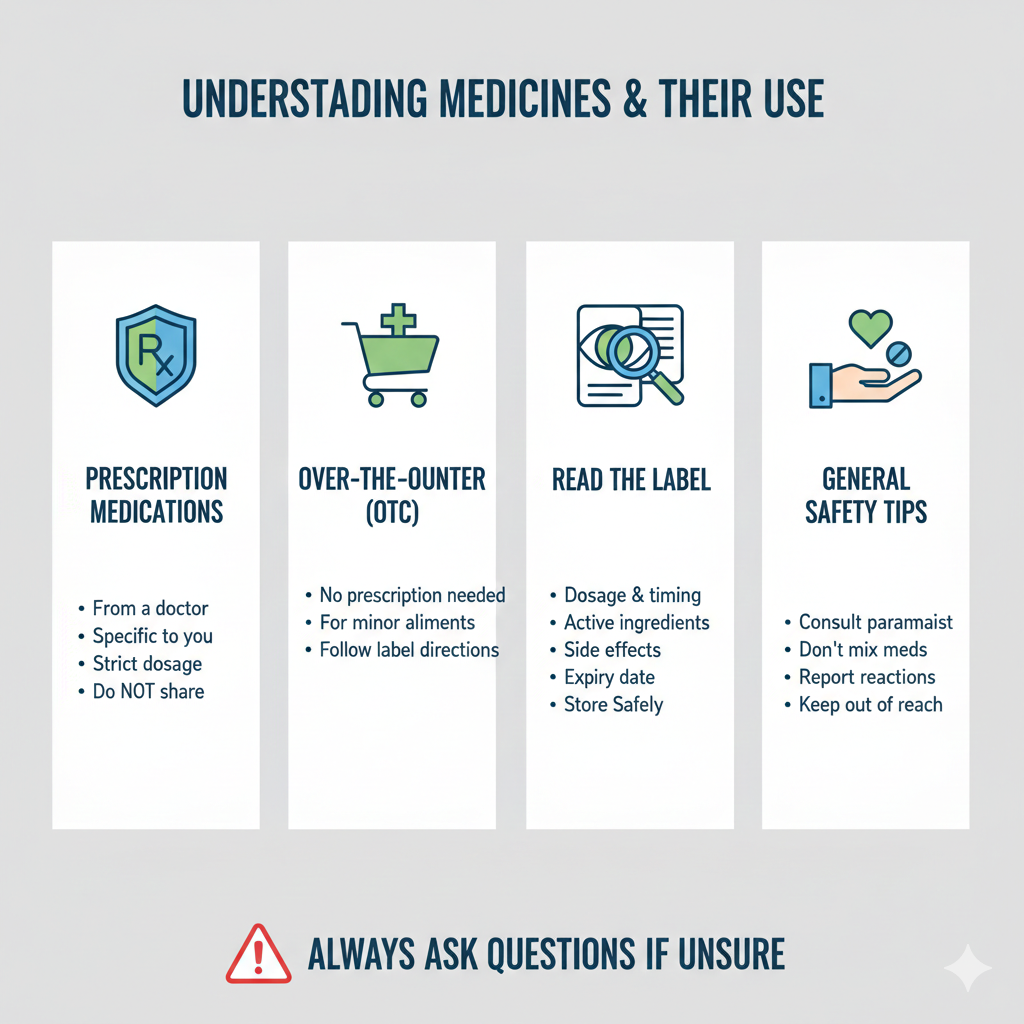
Medicines are categorized based on their safety profile and intended use. At Mediquickinfo, we define **Over-the-Counter (OTC)** medicines as those safe for self-management of minor ailments, such as mild pain or allergies. However, even OTC drugs have significant biological impacts; for example, excessive use of acetaminophen can lead to hepatic (liver) failure. **Prescription medicines** are controlled substances that require a clinician’s oversight due to their potency, potential for addiction, or the complexity of the condition they treat.
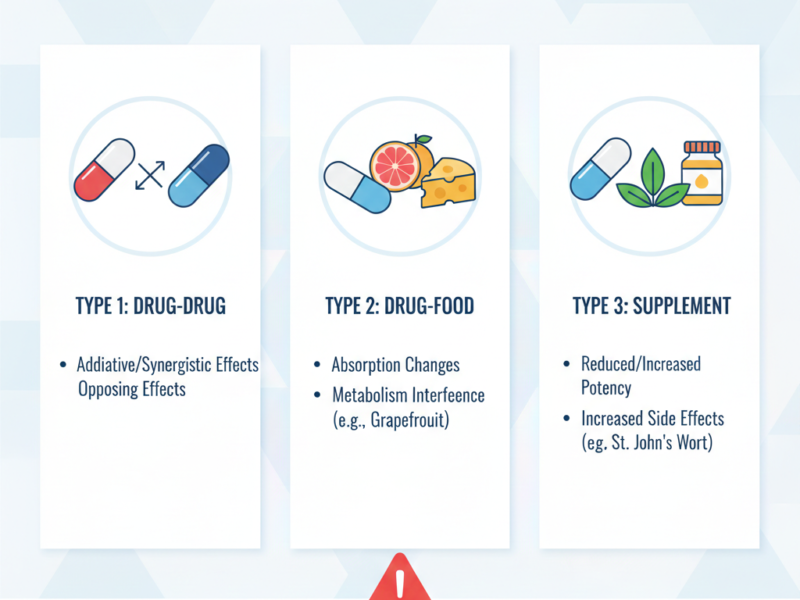
Further clinical classifications include **Antibiotics** (to kill bacteria), **Antivirals** (to inhibit viruses), **Antihypertensives** (to manage blood pressure), and **Analgesics** (for pain relief). Mediquickinfo clinical data emphasizes that patients must understand the “Indication”—the specific medical reason for taking a drug—to prevent dangerous self-medication practices. Mixing drug classes without clinical supervision can lead to “Drug-Drug Interactions,” where one medicine alters the metabolism of another, often with life-threatening consequences.
3. The Protocol of Safe Use: Compliance and Adherence
The effectiveness of a medicine depends entirely on how it is used. At Mediquickinfo, we prioritize the following clinical safety protocols:
- Right Dose: Taking more than prescribed does not lead to faster healing but increases the risk of organ damage.
- Right Time: Some medicines work best with food to improve absorption, while others must be taken on an empty stomach to prevent chemical breakdown.
- Right Duration: For antibiotics, stopping the course early allows the strongest bacteria to survive, leading to “Antimicrobial Resistance”—a major global health threat.
- Right Route: Whether a pill, a liquid, or a patch, the delivery method is scientifically chosen to optimize the drug’s entry into the bloodstream.
4. Monitoring for Adverse Effects and Allergic Reactions
No medicine is without risk. Mediquickinfo clinical reviews suggest that patients must be vigilant for signs of an **Adverse Drug Reaction (ADR)**. While side effects are predictable (like drowsiness with certain antihistamines), ADRs can be sudden and severe. A “Drug Allergy” is a specific immune response that can lead to **Anaphylaxis**—a medical emergency characterized by swelling of the airway and a rapid drop in blood pressure. Understanding your own pharmacological history and communicating it to healthcare providers is the ultimate safeguard for your biological safety.
Conclusion: Empowerment Through Pharmacological Literacy
Understanding medicines and their use is a fundamental pillar of modern health preservation. By recognizing the mechanisms of drug action, adhering to safety protocols, and maintaining open communication with clinical professionals, you can maximize the benefits of therapeutics while minimizing risks. At Mediquickinfo, we believe that you are the most important person in your healthcare team. Your safety is a reflection of your knowledge. Trust Mediquickinfo for the clinical literacy you need to navigate the world of medicine with confidence. Used correctly, medicine is the ultimate tool for a vibrant and healthy life.