The Safest Intermittent Fasting Schedule for Women Over 40: A Complete Guide
Intermittent fasting (IF) has taken the wellness world by storm, praised for its incredible ability to jumpstart weight loss, clear up brain fog, and boost metabolic health. However, much of the foundational research on fasting was originally conducted on men or younger demographic groups. For women over the age of 40, the physiological landscape shifts dramatically due to perimenopause and menopause. This transition demands a more personalized, gentle, and intentional approach to fasting schedules.
When women cross the age of 40, fluctuations in estrogen, progesterone, and cortisol mean that extreme or rigid fasting routines can sometimes trigger unintended stress responses. Instead of forcing your body into a state of depletion, the goal should be to utilize intermittent fasting as a tool to support your natural bio-rhythms. This article explores how to safely navigate intermittent fasting, structural schedules tailored for hormonal preservation, and actionable steps to build a vibrant lifestyle.
Why Women Over 40 Need a Custom Fasting Approach
During your 40s, the ovaries gradually reduce hormone production, which directly impacts insulin sensitivity, thyroid performance, and metabolic rate. Your body becomes far more sensitive to perceived starvation signals. Prolonged, aggressive fasts can activate the adrenal glands to release excess cortisol (the primary stress hormone). High cortisol levels signal the body to hold onto visceral fat, particularly around the midline, which completely defeats the primary purpose of fasting.
Furthermore, restrictive time-sensitive eating can cause disruptions in thyroid hormones (specifically turning down T3 production), leading to fatigue, hair thinning, and feeling cold continuously. By modifying your window and prioritizing nutrition, you can successfully capture all the major benefits of cellular repair (autophagy), regulated blood sugar, and steady energy without stressing your internal systems.
Note on Metabolic Flexibility: The ultimate purpose of fasting after 40 is to train your body to effortlessly switch between burning carbohydrates and burning stored body fat for fuel, rather than triggering a starvation emergency response.
The Best Safe Intermittent Fasting Schedules
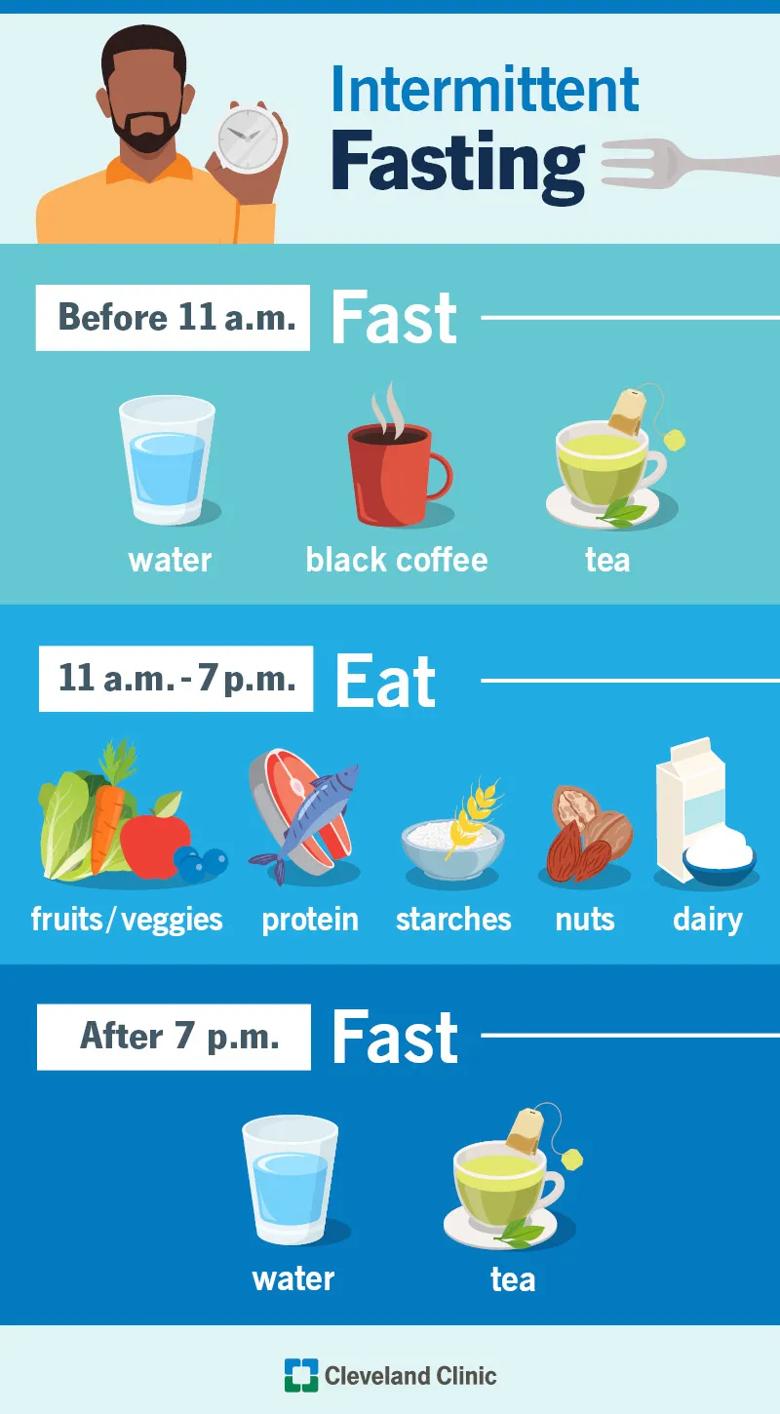
There is no one-size-fits-all plan, but gradual, moderate protocols work best to maintain metabolic stability. Below are the three safest intermittent fasting schedules designed specifically for women managing changing hormones.
1. The 14:10 Method (The Ideal Starting Point)
This approach involves fasting for 14 hours and consuming your daily nutrition within a relaxed 10-hour window. This is highly recommended for women over 40 who are entirely new to fasting or experiencing prominent perimenopausal symptoms.
- Example Routine: Eat your first nourishing meal at 9:00 AM and wrap up your dinner by 7:00 PM.
- Why it works safely: It is incredibly gentle on the adrenals. It ensures you still achieve a state of digestive rest overnight without sending stress signals to your brain.
2. The 15:9 Crescendo Fasting (The Sweet Spot)
If you find that the 14-hour fast feels easy, moving safely to a 15-hour fast balances efficiency with safety perfectly. Crescendo fasting implies that you don’t necessarily fast every single day; instead, you apply this schedule 3 to 4 non-consecutive days a week.
- Example Routine: Fast from 8:00 PM until 11:00 AM the following morning.
- Why it works safely: It keeps your metabolic system guessing without creating a chronic caloric deficit pattern that flags hormonal slowdowns.
3. The Classic 16:8 Protocol (With Adjustments)
While the 16-hour fast is wildly popular, women over 40 should approach it mindfully. Rather than skipping breakfast entirely, many women find better hormonal balance by keeping an early eating window.
- Example Routine: Eat between 8:00 AM and 4:00 PM, or 10:00 AM and 6:00 PM.
- Why it works safely: Eating earlier aligns beautifully with your body’s natural circadian rhythms, improving deep sleep architecture and evening melatonin release.

What to Eat When Breaking Your Fast
What you put on your plate during your eating window determines the success of your intermittent fasting journey. Fasting reduces the time available to supply your body with vital micronutrients, meaning empty calories must be minimized to preserve optimal body composition.
1. Prioritize High-Quality Protein
Sarcopenia, or natural age-related muscle decline, accelerates after age 40. To combat this loss and keep your metabolic rate burning high, aim for 25–30 grams of protein per meal. Focus on pasture-raised eggs, wild-caught fish, lean poultry, and plant-based options like lentils and organic tofu.
2. Welcome Healthy Fats for Hormonal Synthesis
Your body needs clean dietary fat to manufacture hormones safely. Incorporating quarter-portions of avocados, extra virgin olive oil, walnuts, and chia seeds helps regulate satiety, stabilizing ghrelin (the hunger hormone) so you don’t experience crashes during fasting hours.
3. Abundant Soluble and Insoluble Fiber
Estrogen dominance can sometimes happen during perimenopause when the balance tilts away from progesterone. Eating cruciferous vegetables (broccoli, Brussels sprouts, cauliflower) aids the liver and gut in safely processing and eliminating excess circulating estrogens.
Mistakes to Avoid Over the Age of 40
- Over-relying on Caffeine: Drinking multiple cups of black coffee during your fasting window spikes cortisol. Stick to one cup or pivot toward herbal teas like green or chamomile tea.
- Ignoring Signals of Burnout: If you experience sudden insomnia, extreme mood swings, irregular cycles, or chronic low energy, it is your body demanding that you broaden your eating window. Listen to your intuition.
- Undereating Calories: Fasting is not about starvation; it is about timed eating. Ensure you eat sufficient, dense meals during your active hours to prevent your metabolism from dropping into survival mode.
Final Thoughts: Consistency Over Intensity
Safe intermittent fasting for women over 40 should never feel like an exhausting chore. By starting intentionally with a 14:10 schedule, tracking your sleep quality, and fueling your active hours with adequate protein and healthy fats, you can build a sustainable lifestyle. Always consult your trusted physician or healthcare provider before altering your dietary timelines, especially if you have existing metabolic or thyroid health considerations.