Home Remedies to Reduce Belly Fat After Pregnancy
Welcoming a new life into the world is an extraordinary journey, but it also brings profound changes to a woman’s physical body. During pregnancy, the abdominal muscles stretch significantly, and the body naturally stores visceral and subcutaneous fat around the midsection to safeguard and nourish the growing baby. Once the postpartum phase begins, many new mothers feel eager to shed this extra weight. However, the postpartum period is a delicate time that requires healing, patience, and a gentle approach rather than extreme calorie cutting or exhausting gym routines.
Rushing into intense exercise circuits too early can compromise your pelvic floor recovery and worsen abdominal separation (Diastasis Recti). Fortunately, traditional, natural home remedies focus heavily on internal healing, tissue repair, and subtle metabolic stimulation. By implementing targeted nourishment habits, herbal recovery infusions, and restorative movements from the comfort of home, you can safely encourage your uterus to contract and reduce stubborn postpartum belly fat.

Top Natural Remedies to Tighten the Midsection
Postpartum fat loss relies heavily on hormone stabilization and reducing overall physical inflammation. These simple, time-tested home remedies fit effortlessly into a busy new mother’s daily schedule.
1. Breastfeeding Frequently (If Possible)
Breastfeeding is one of nature’s most effective fat-burning mechanisms. It demands an immense amount of energy from your maternal system, serving a dual purpose in your recovery.
- How it works: Lactation burns roughly 400 to 500 calories per day to produce milk. Furthermore, breastfeeding triggers the release of oxytocin, a hormone that stimulates the uterus to contract back to its original pre-pregnancy size, reducing the appearance of a protruding belly much faster.
2. Herbal Cumin (Zeera) and Carom (Ajwain) Water
Traditional wellness systems place massive importance on drinking specialized herbal teas during the early postpartum months to ease internal swelling and improve heavy digestion.
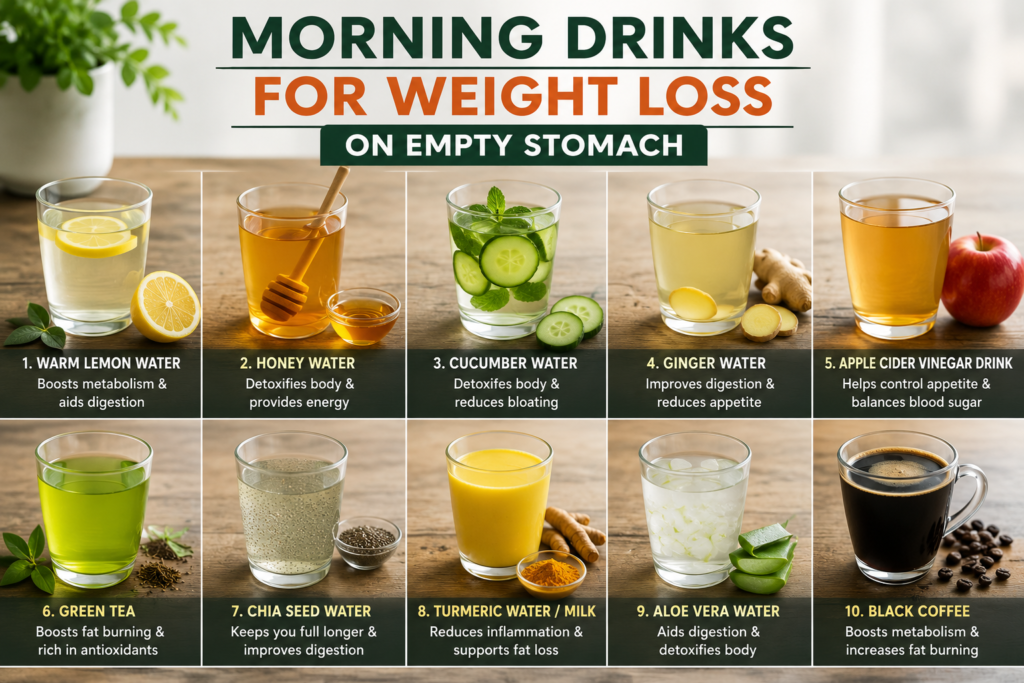
- How it works: Boil one teaspoon of cumin seeds and one teaspoon of carom seeds in a liter of water. Strain and sip it warm throughout the day. Ajwain contains thymol, which reduces internal gas and abdominal bloating, while cumin stimulates digestive enzymes to boost sluggish postpartum metabolic rates.
3. Postpartum Belly Wrapping / Binding
Using a breathable cotton cloth or a supportive medical-grade postpartum binder is an ancient practice that offers physical stability to weak abdominal walls.
- How it works: Wrapping provides structural compression, assisting your core muscles as they slide back together. It improves posture during nursing, prevents lower back strain, and gently coaxes loose, stretched skin back into place. Ensure it is wrapped snugly but never tight enough to cause internal pelvic pressure.

Safe Movement Patterns Before the Gym
Traditional crunches, situps, or heavy planks can actually push your abdominal muscles further apart if you have unresolved Diastasis Recti. Instead, prioritize these two internal muscle activators:
1. Diaphragmatic “Belly Vacuum” Breathing
Sit comfortably or lie flat on your back with your knees bent. Inhale deeply, allowing your belly to completely expand. As you exhale slowly through your mouth, pull your belly button inward toward your spine as if zipping up a tight pair of jeans. Hold the contraction for 5 seconds, then release. This activates the transverse abdominis—the deep inner corset muscle of your core.
2. Gentle Pelvic Tilts
Lie on your back with your knees bent and feet flat on the floor. Tighten your abdominal muscles and gently tilt your pelvis upward, flattening your lower back completely against the floor. Hold for a few seconds and repeat 10 times. This safely strengthens the lower belly region without stressing your healing tissues.
A Vital Warning on Caloric Restrictions: If you are nursing, your body requires a baseline of healthy nutrients to maintain a safe milk supply. Dropping below 1,800 calories a day can compromise your energy levels and delay structural tissue healing. Focus on meal quality rather than starvation.
Nutritional Tweaks for Postpartum Success
Adjusting the types of foods you consume at home can prevent your body from holding onto extra fluid and fat storage:
- Increase Warm, Easily Digestible Foods: Cold, raw foods can be tough on a sluggish postpartum digestive tract. Prioritize warm soups, bone broths, daliya, and well-cooked vegetables that supply heavy collagen and proteins for tissue repair.
- Load Up on Hydration: Drinking plenty of filtered water prevents fluid retention and removes metabolic waste. Keep a water bottle at your nursing station to stay ahead of thirst cues.
- Incorporate Healthy Ghee Mindfully: While traditional customs suggest consuming heavy amounts of panjiri or ghee-laden sweets, regulate your portions. A single teaspoon of pure desi ghee daily supports joint health and fat-soluble vitamin absorption without adding excessive calories.
Final Thoughts: Honor Your Body’s Timeline
Your body spent nine full months stretching to create a beautiful life, and it is entirely normal for it to take several months to return to its baseline. Reducing belly fat after pregnancy safely relies on regular breastfeeding, drinking warm digestive teas, practicing deep core breathing, and prioritizing sleep whenever your baby rests. Be gentle with yourself, avoid comparison, and allow your body the peaceful timeline it deserves to heal and recover naturally.