How to Increase Stamina for Running at Home

Building elite cardiovascular stamina is the ultimate foundation for becoming a stronger, more resilient runner. Many fitness enthusiasts believe that the only way to improve running endurance is by logging endless miles out on the open road or spending hours on an expensive gym track. However, you can significantly enhance your physiological lung capacity, muscular endurance, and overall running stamina without ever crossing your own front doorstep.
Increasing your stamina at home relies on optimizing your **VO2 max** (the maximum amount of oxygen your body can utilize during intense exercise) and fortifying your core and lower-body stability. By targeting your cardiovascular system through strategic indoor bodyweight training, specialized jumping techniques, and breathing mechanics, you can condition your heart and muscles to work efficiently under running stress. This comprehensive home guide breaks down the exact training systems required to supercharge your stamina from the comfort of your living room.
The Biomechanics of Running Stamina Explained
When you run, your muscles demand a continuous, heavy supply of oxygen-rich blood to generate kinetic energy. Fatigue sets in when your heart cannot pump blood fast enough, or when your muscles build up lactic acid due to an lack of cellular oxygen. Building stamina means training your body to delay this fatigue point.
By mimicking the physical patterns of running through indoor cardiovascular conditioning, you increase the density of **capillaries** (tiny blood vessels) in your muscles and strengthen your mitochondria—the cellular powerhouses that produce energy. This metabolic upgrade allows you to run faster and longer with significantly less physical effort when you eventually transition back to outdoor tracks or treadmills.
Top Home Workouts to Boost Running Endurance
To safely and effectively build your lung power and leg strength inside your house, structure your weekly home routines around these highly effective training styles:
1. High-Intensity Interval Training (HIIT)
HIIT is incredibly efficient at forcing your heart rate into its peak anaerobic zone, forcing rapid adaptations in your cardiovascular system. This directly translates to improved running speed and lung capacity.
- The Routine: Perform 30 seconds of explosive high-knees (driving your knees up toward your chest rapidly to mimic a running sprint), followed immediately by 30 seconds of total rest.
- Progression: Repeat this loop 10 to 12 times consecutively. As your stamina improves over the weeks, decrease your rest intervals to 15 seconds while maintaining maximum intensity during the active work phase.
2. Plyometric Jump Rope Drills
Jumping rope is arguably one of the greatest indoor tools for runners. It replicates the continuous, rhythmic impact of running while conditioning your calves, ankles, and Achilles tendons to bounce back efficiently off the ground. This elastic conditioning decreases your ground contact time, making your actual running stride lighter and more energy-efficient.
How to implement it: If your ceiling height allows, perform 3 rounds of 3 minutes of continuous, steady-paced jumping. Focus on landing softly on the balls of your feet, keeping your core tightly engaged to build lower back stamina.
3. Lower-Body Muscular Endurance Circuits
Running stamina requires structural muscular strength. If your quad or hamstring muscles tire out quickly, your running form will collapse, causing you to slow down. Perform this continuous home bodyweight circuit three times a week to build structural endurance:
- Bodyweight Squats (20 repetitions): Builds foundational strength across the glutes and quadriceps.
- Alternating Reverse Lunges (15 reps per leg): Replicates the single-leg stability and balance required during a running stride.
- Glute Bridges (20 repetitions): Activates and strengthens the posterior chain muscles, protecting your lower back from running fatigue.
- Mountain Climbers (45 seconds continuous): Keeps your heart rate elevated while building stability inside your core and shoulder girdle.
Rhythmic Breathing Mechanics for Runners
A major reason people run out of breath quickly isn’t a lack of leg strength—it is inefficient breathing. Most beginners take shallow, rapid breaths from their upper chest, which limits oxygen intake and triggers an anxious hyperventilation reflex inside the nervous system.
Practice **diaphragmatic breathing** (belly breathing) during your home workouts. Lie flat on your back with one hand on your chest and the other on your stomach. Inhale deeply through your nose, ensuring your stomach rises noticeably while your chest stays completely still. Exhale slowly through your mouth. Mastering this deep breathing pattern allows your lungs to absorb maximum oxygen, keeping your heart rate stable during intense physical strain.
Sustaining Your Fitness with Proper Nutrition and Recovery
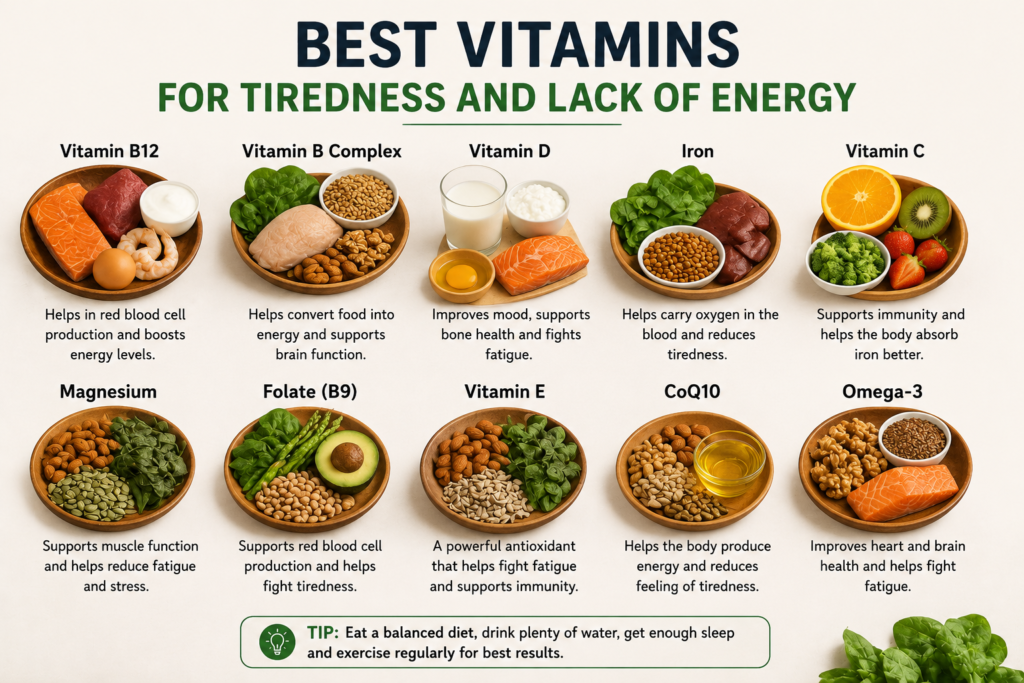
Cardiovascular adaptations cannot take place if your body is constantly depleted or dehydrated. Incorporate these healthy daily habits to support your home stamina training:
- Hydrate Strategically: Muscle cells are composed mostly of water. Even a tiny 2% drop in your body’s hydration levels can cause a massive crash in your athletic performance and trigger early muscle cramps. Drink plenty of water throughout the day.
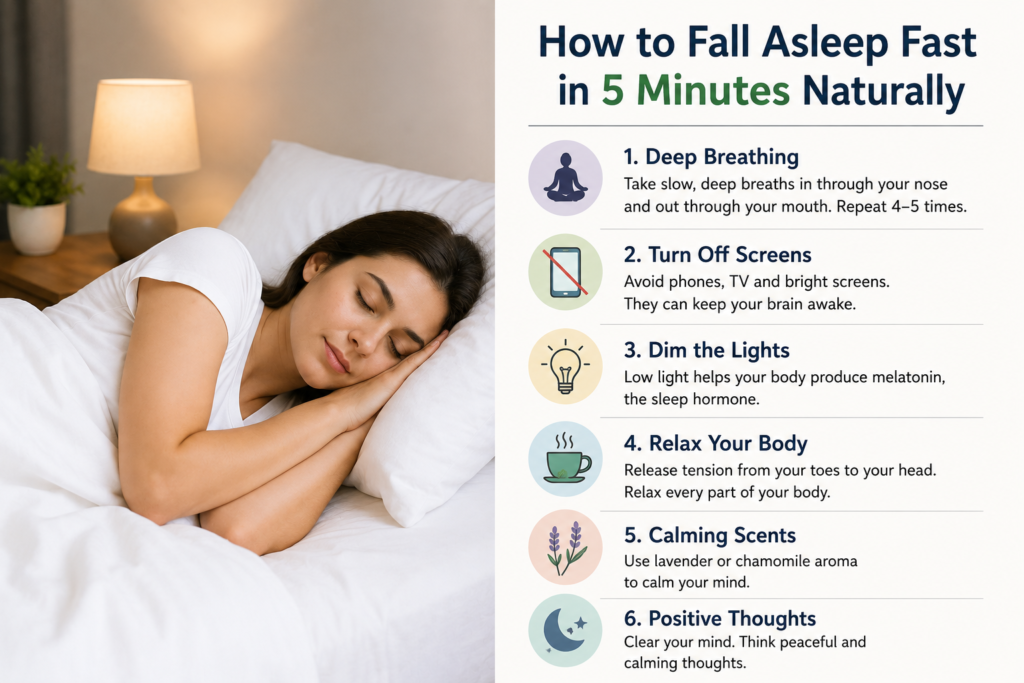
- Prioritize Deep Sleep: Your body secretes human growth hormone (HGH) to repair microscopic muscle tears and expand capillary growth primarily during deep sleep cycles. Aim for 7 to 8 hours of quality sleep nightly to ensure complete cellular recovery.
- Fuel with Complex Carbs: Carbs are stored inside your liver and muscle tissues as **glycogen**, which acts as your primary energy source during cardio workouts. Eat clean complex carbohydrates like oats, whole grains, and sweet potatoes to keep your energy reserves full.