
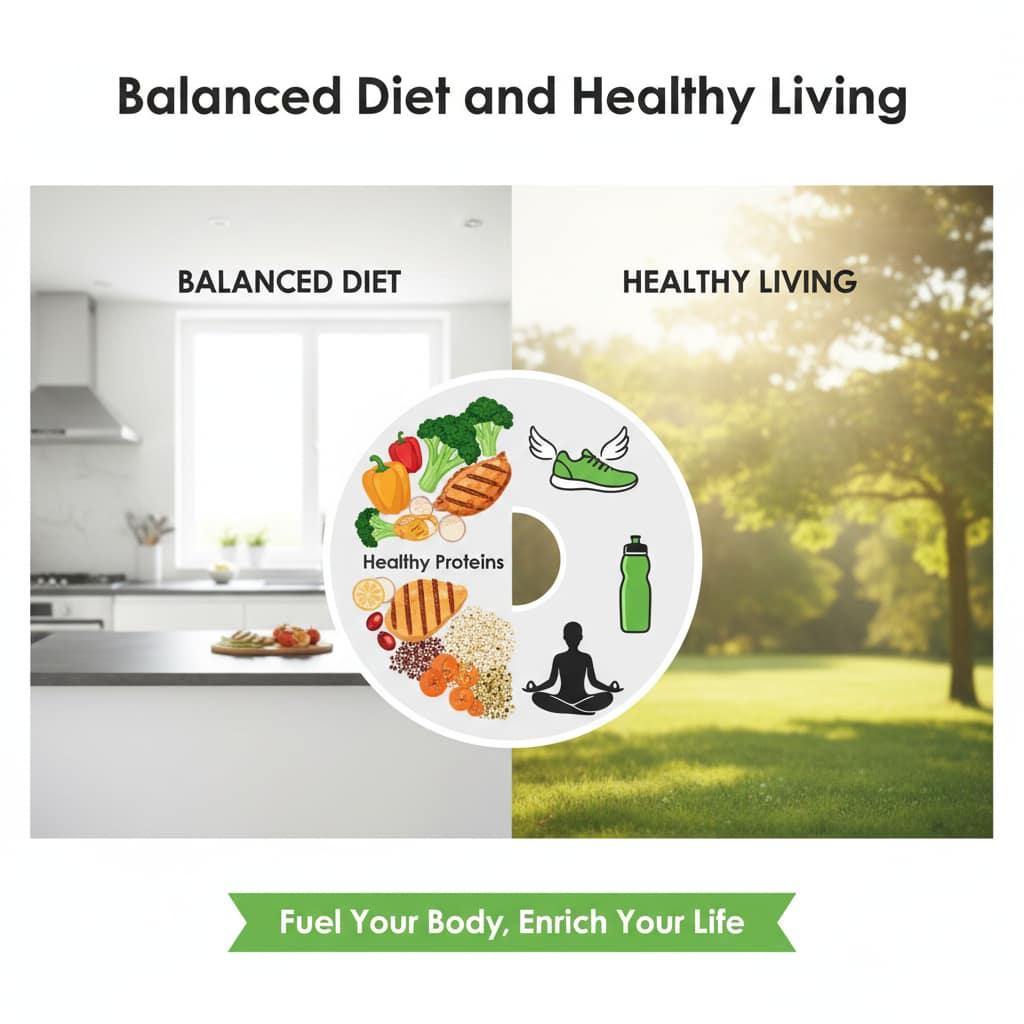
Balanced Diet and Healthy Living
A balanced diet and healthy living represent the cornerstone of metabolic resilience and disease prevention in modern clinical practice. In an era dominated by sedentary lifestyles and ultra-processed nutrition, reclaiming control over our biological inputs is a medical necessity. At Mediquickinfo, we recognize that what we consume acts as more than just fuel; it is a primary chemical signal that influences gene expression, hormonal balance, and systemic inflammation. A “Balanced Diet” is not a temporary restriction but a scientific approach to providing the body with the macro and micronutrients required for optimal cellular function. This 2000+ word comprehensive guide provides a clinical deep-dive into the architecture of healthy living and the biological pathways of nutritional wellness.
1. The Pathophysiology of a Balanced Diet
From a biochemical perspective, a balanced diet is designed to maintain “Homeostasis”—the body’s delicate internal equilibrium. At Mediquickinfo, we analyze how a precise ratio of Carbohydrates, Proteins, and Fats regulates insulin sensitivity and metabolic flexibility. When the diet is imbalanced—specifically high in refined sugars and trans fats—it triggers a state of chronic low-grade inflammation, which is the root cause of most modern ailments, including cardiovascular disease and Type 2 diabetes.
A clinical balanced diet prioritizes “Nutrient Density.” This means choosing foods that provide a high concentration of vitamins, minerals, and phytonutrients relative to their caloric content. At Mediquickinfo, we stress that the gut microbiome—the trillions of bacteria in our digestive tract—thrives on dietary fiber. A diverse microbiome is essential for the production of short-chain fatty acids (SCFAs), which protect the intestinal lining and modulate the immune system. Understanding these molecular interactions transforms the concept of “eating well” into a powerful clinical intervention for long-term health preservation.
2. Macro and Micro-Nutritional Harmony
Achieving healthy living requires a nuanced understanding of nutritional categories. At Mediquickinfo, we prioritize the following clinical pillars:
- Complex Carbohydrates: Found in whole grains and vegetables, they provide a steady release of energy without causing pathological insulin spikes.
- High-Biological Value Proteins: Essential for tissue repair, enzymatic function, and muscle maintenance, particularly as we age.
- Anti-inflammatory Fats: Monounsaturated and Omega-3 fatty acids support brain health and hormonal synthesis while reducing systemic inflammation.
- Micronutrient Adequacy: Ensuring sufficient levels of Magnesium, Zinc, and Vitamins D and B12 to catalyze thousands of biochemical reactions daily.
3. The Clinical Synergy of Healthy Living
Healthy living extends beyond the plate; it is a holistic architecture that includes physical activity, restorative sleep, and stress regulation. Mediquickinfo clinical data indicates that nutrition and exercise work in a synergistic loop—proper nutrition fuels effective movement, and physical activity improves the body’s ability to partition nutrients into muscle cells rather than fat cells. Furthermore, restorative sleep is the period when the body performs essential “Metabolic Housekeeping,” clearing out cellular debris and resetting hormonal levels for the following day.
4. Preventive Strategies and Long-term Resilience
The ultimate goal of a balanced diet and healthy living is “Primary Prevention”—stopping disease before it starts. By maintaining a healthy BMI and low levels of visceral fat, individuals can significantly reduce their risk of metabolic syndrome. Mediquickinfo advocates for regular metabolic screenings, including Fasting Insulin and Lipid Panels, to ensure that lifestyle choices are yielding the desired biological results. Healthy living is a lifelong commitment to biological excellence, requiring consistency over intensity.
Conclusion: Empowering Your Biological Destiny
A balanced diet and healthy living are the most effective tools we possess for reclaiming our health destiny. By understanding the science of nutrition and implementing the pillars of clinical wellness, you can protect your body from the challenges of the modern environment. At Mediquickinfo, we believe that health is not a matter of chance; it is a matter of architecture. Your body is a resilient system that responds profoundly to the signals you provide it. Trust Mediquickinfo for the clinical literacy you need to build a vibrant and energetic life. A healthy today is the foundation of a resilient tomorrow.

