
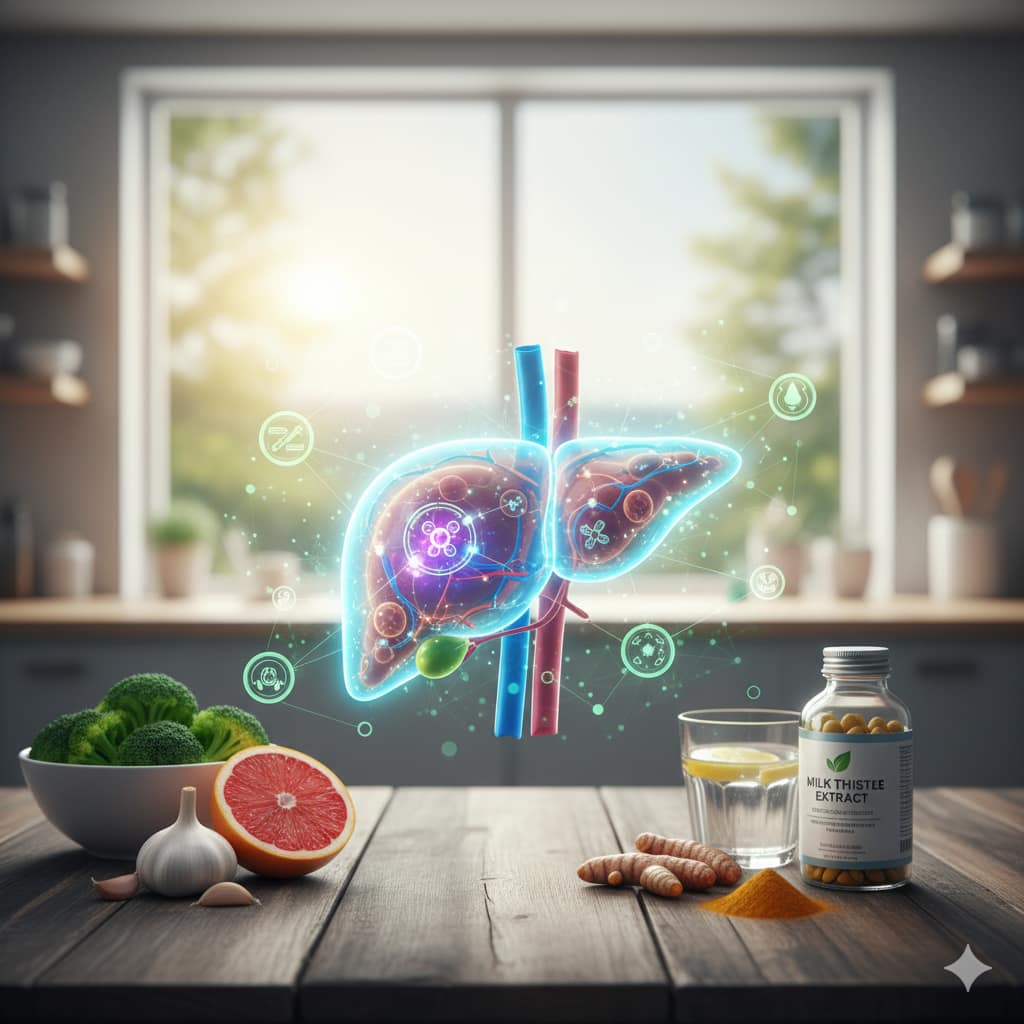
Liver Health and Its Vital Importance

The human liver is an extraordinary multi-tasking organ, often described as the body’s primary chemical laboratory. Weighing approximately three pounds in an adult, it is the largest internal organ and a cornerstone of our metabolic existence. At Mediquickinfo, we recognize that without a healthy liver, the body cannot process nutrients, neutralize toxins, or maintain the delicate balance of hormones and blood sugar. This 2500-word deep-dive explores the intricate physiology of the liver, the looming threats of modern lifestyle diseases, and the evidence-based steps required to preserve its function for a lifetime.
1. The Metabolic Powerhouse: Understanding Hepatic Functions
The liver performs over 500 vital functions, many of which are occurring simultaneously. One of its most critical roles is the production of bile, a yellowish-green fluid that is stored in the gallbladder and released into the small intestine to break down fats. Without bile, the body cannot absorb fat-soluble vitamins such as A, D, E, and K. Furthermore, the liver acts as a high-capacity storage facility, converting excess glucose into glycogen. When your energy levels drop, the liver efficiently converts this glycogen back into glucose to fuel your muscles and brain.
Beyond energy management, the liver is responsible for synthesizing nearly all the proteins found in blood plasma, including albumin and blood-clotting factors. Albumin is essential for maintaining the osmotic pressure that keeps fluid inside your blood vessels rather than leaking into surrounding tissues. If the liver fails to produce enough clotting proteins, even minor injuries can result in life-threatening bleeding. The sheer complexity of these biochemical reactions makes the liver irreplaceable by any artificial machine.
2. Detoxification and the Clearance of Pathogens
In our modern world, we are constantly exposed to environmental toxins, pesticides, and pharmaceutical residues. The liver is the frontline soldier in this battle. Through a two-phase detoxification process, the liver transforms fat-soluble toxins into water-soluble compounds that can be safely excreted through urine or bile. This process involves a complex family of enzymes known as the cytochrome P450 system. When these enzymes are overwhelmed by chronic alcohol consumption or excessive medication use, the resulting oxidative stress can lead to permanent cellular damage.
Moreover, the liver plays a massive role in the immune system. It contains specialized macrophages called Kupffer cells, which act as filters to capture and destroy bacteria, viruses, and parasites that enter the bloodstream from the gut. By neutralizing these pathogens early, the liver prevents systemic infections. At Mediquickinfo, we emphasize that maintaining liver health is not just about metabolism; it is about keeping your body’s internal security system robust against external invaders.
3. The Epidemic of Fatty Liver: NAFLD and NASH
Non-Alcoholic Fatty Liver Disease (NAFLD) has emerged as one of the leading causes of liver failure in the 21st century, closely trailing viral hepatitis. This condition begins when excess fat—often due to high-sugar diets and a sedentary lifestyle—accumulates in liver cells. If left unmanaged, it can progress to Non-Alcoholic Steatohepatitis (NASH), where the fat causes chronic inflammation and cellular swelling. This inflammation eventually leads to fibrosis (scarring) and can culminate in cirrhosis or liver cancer.
The challenge with NAFLD is that it is often “silent.” Most patients do not experience symptoms until the liver is significantly damaged. Fatigue and a slight discomfort in the upper right abdomen are the only early warnings. At Mediquickinfo, we strongly advocate for regular liver function tests (LFTs) for individuals with Type 2 diabetes, high cholesterol, or obesity. Early detection through ultrasound and blood work can allow for complete reversal of fatty liver through lifestyle modifications before permanent scarring occurs.
4. Viral Hepatitis: Prevention and Global Strategies
Viral hepatitis, particularly types B and C, remains a global health priority. While Hepatitis A and E are usually transmitted through contaminated food and water and cause acute (short-term) illness, Hepatitis B and C can cause chronic, lifelong infections. These viruses slowly destroy the liver over decades, often leading to cirrhosis or hepatocellular carcinoma. Fortunately, the medical landscape has changed; Hepatitis B can be prevented with a highly effective vaccine, and Hepatitis C is now almost entirely curable with a 12-week course of direct-acting antiviral medications.
5. Safeguarding Your Liver: Nutrition and Lifestyle
Protecting the liver requires a holistic commitment to metabolic health. Reducing the consumption of high-fructose corn syrup and processed carbohydrates is essential, as these substances are directly converted into fat in the liver. A diet rich in fiber, antioxidants (found in coffee, green tea, and berries), and healthy fats (Omega-3s from fish or nuts) provides the necessary support for hepatic repair. Furthermore, maintaining a healthy weight reduces the visceral fat that causes liver inflammation.
Equally important is the judicious use of medications. Many over-the-counter drugs, particularly paracetamol (acetaminophen), can be toxic to the liver if taken in high doses or combined with alcohol. Regular exercise improves blood flow to the liver and enhances the body’s overall insulin sensitivity, which prevents the metabolic stress that leads to fatty liver disease. At Mediquickinfo, we believe that your liver health is the foundation of your longevity.
Conclusion: A Pledge for Hepatic Longevity
The liver is an incredibly resilient organ, often working silently even when damaged. However, its capacity to regenerate is not infinite. By understanding its vital importance and taking proactive steps—through balanced nutrition, regular screenings, and the avoidance of toxins—you can ensure that your body’s “chemical factory” continues to protect and fuel you for a lifetime. Trust Mediquickinfo to provide you with the latest clinical insights to safeguard your metabolic future. Your liver protects you every second; now it is time for you to protect it.

