
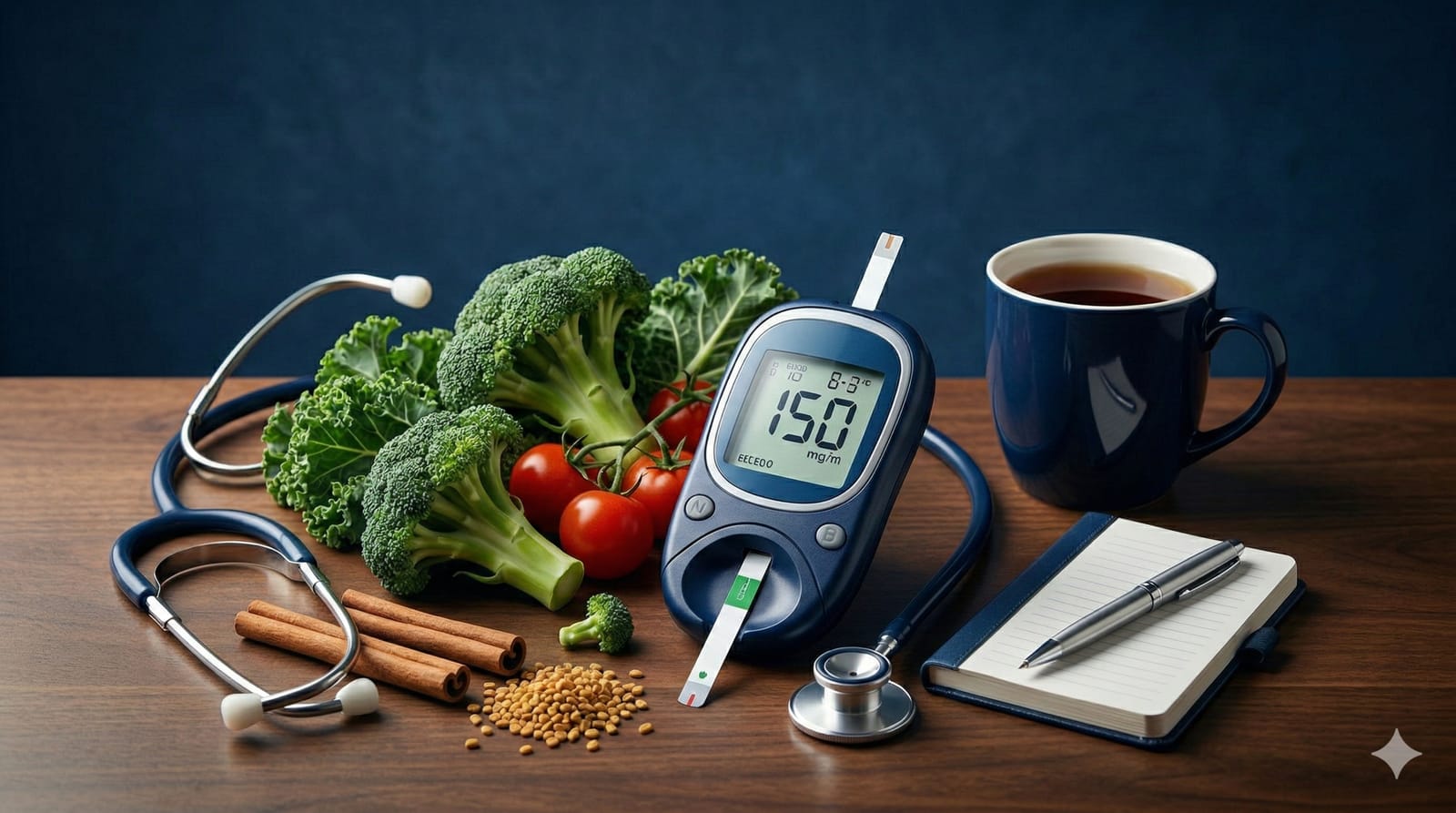
Natural Ways and Best Diet Plans to Control Diabetes Effectively: A 2026 Medical Review
Diabetes Mellitus, commonly known as diabetes, has become a global health emergency in the 21st century. As we move through 2026, the prevalence of Type 2 diabetes continues to rise due to sedentary lifestyles and poor dietary choices. However, medical science and traditional wisdom both agree on one fundamental truth: lifestyle intervention is the most powerful tool in managing blood glucose levels. This comprehensive guide explores evidence-based natural strategies and structured diet plans designed to help individuals regain control over their metabolic health without relying solely on pharmaceutical interventions.
Understanding the Mechanics of Blood Sugar Control
Before diving into natural remedies, it is crucial to understand why blood sugar spikes occur. Insulin, a hormone produced by the pancreas, acts as a key that allows glucose to enter your cells for energy. In Type 2 diabetes, the body either doesn’t produce enough insulin or the cells become resistant to it. Managing this condition naturally requires a two-pronged approach: increasing insulin sensitivity and reducing the external glucose load through smart eating habits.
1. The Foundation of Diabetic Nutrition: The Low-Glycemic Diet
The Glycemic Index (GI) is a ranking system for carbohydrates based on how slowly or quickly they raise blood glucose levels. For effective diabetes management, a “Low GI” diet is non-negotiable. Foods with a low GI score release glucose gradually, preventing the dangerous “spikes and crashes” that damage blood vessels over time.
Best Foods for a Diabetic Diet Plan
A successful meal plan focuses on whole, unprocessed foods. Incorporating high-fiber vegetables like broccoli, spinach, and kale provides essential micronutrients while slowing down sugar absorption. Legumes, such as lentils and chickpeas, are excellent sources of plant-based protein that have a minimal impact on blood sugar. Additionally, healthy fats found in avocados, walnuts, and extra virgin olive oil are vital for heart health—a major concern for diabetic patients.
- Complex Carbohydrates: Choose oats, quinoa, and barley over white bread or sugary cereals.
- Lean Proteins: Prioritize fatty fish (rich in Omega-3), skinless poultry, and organic eggs.
- Fiber Content: Aim for 30-35 grams of fiber daily to improve digestive health and glucose metabolism.
2. Intermittent Fasting and Meal Timing
In 2026, Intermittent Fasting (IF) has gained significant scientific backing as a method to reverse insulin resistance. By restricting the “eating window” to 8 or 10 hours a day, you give your pancreas a much-needed rest. During the fasting period, the body is forced to burn stored fat for energy, which naturally lowers blood sugar levels and aids in weight loss—the single most effective way to manage Type 2 diabetes.
3. Powerful Natural Supplements and Herbs
Nature offers several compounds that mimic the effects of glucose-lowering medications. While these should never replace a doctor’s prescription without consultation, they can be excellent additions to a natural regimen:
Cinnamon (Ceylon): Studies suggest that cinnamon can improve insulin sensitivity and lower fasting blood sugar levels by up to 24%. Fenugreek (Methi): High in soluble fiber, fenugreek seeds help slow down the digestion of carbohydrates. Berberine: Often called “nature’s metformin,” berberine is one of the few supplements proven in clinical trials to be as effective as some pharmaceutical drugs in lowering HBA1c levels.
4. The Role of Physical Activity in Glucose Clearance
Exercise is essentially a “natural insulin.” When you engage in physical activity, your muscles use glucose for energy without requiring extra insulin. Resistance training, such as lifting weights or using resistance bands, increases muscle mass, which acts as a “glucose sink,” soaking up excess sugar from the bloodstream even while you sleep.
5. Stress Management and Cortisol Regulation
Many patients overlook the impact of stress on diabetes. When you are stressed, your body produces cortisol and glucagon, hormones that trigger the release of stored sugar into the blood for a “fight or flight” response. Chronic stress leads to chronically high blood sugar. Incorporating mindfulness, deep breathing exercises, or even daily walks in nature can significantly lower HBA1c levels by keeping cortisol in check.
- Monitor blood glucose levels twice daily to understand food triggers.
- Drink at least 3 liters of water to help kidneys flush out excess sugar.
- Ensure 7-8 hours of high-quality sleep to regulate metabolic hormones.
- Avoid “liquid sugar” such as sodas, processed fruit juices, and energy drinks.
Conclusion: A Holistic Approach to Recovery
Managing diabetes naturally is not about a single “miracle” food; it is about a consistent, holistic lifestyle. By combining a low-glycemic diet with strategic fasting, regular movement, and stress reduction, it is entirely possible to maintain healthy blood sugar levels and prevent long-term complications like neuropathy or kidney disease. Always consult with your healthcare provider before making radical changes to your diet or exercise routine, especially if you are currently on medication.

