
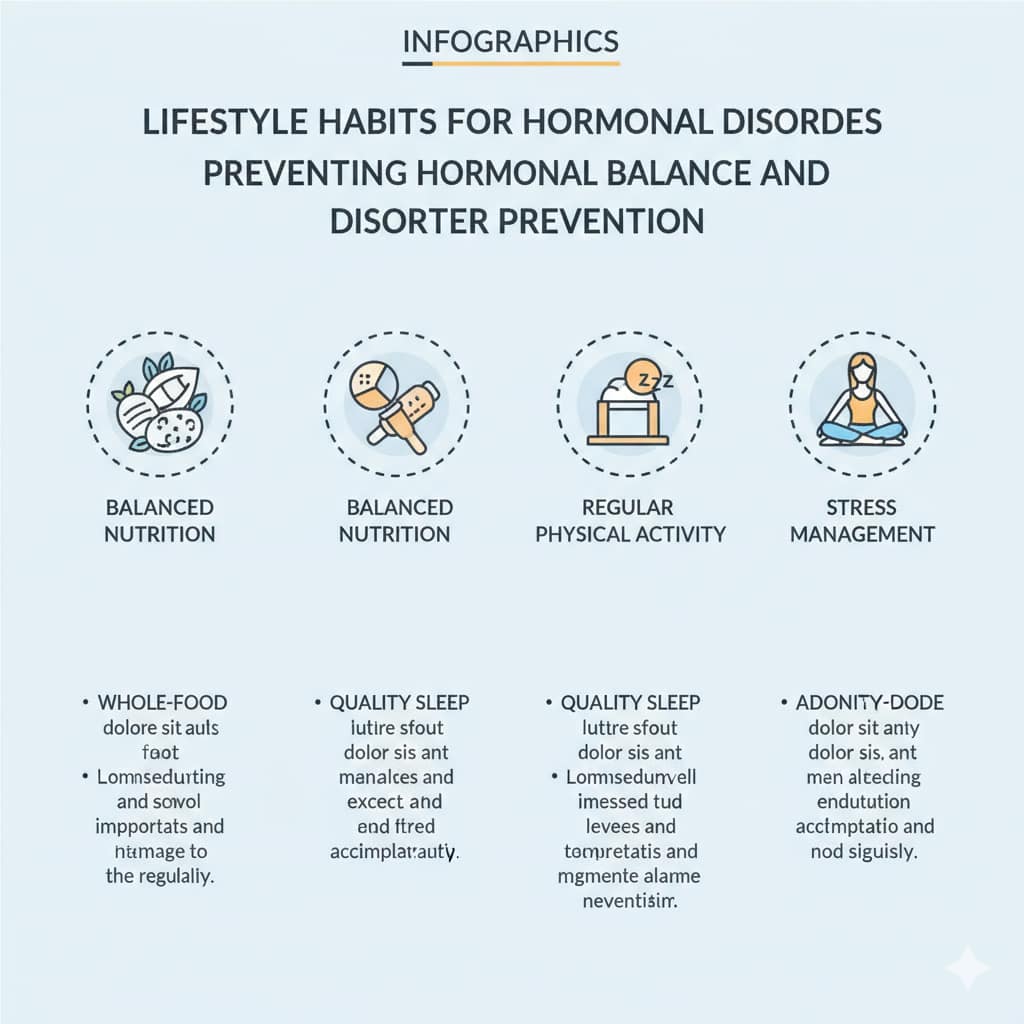
Preventing Hormonal Disorders Through Lifestyle
The endocrine system is a vast and delicate network of glands that produce chemical messengers known as hormones. These hormones travel through the bloodstream, regulating vital functions such as metabolism, growth, reproductive health, and emotional stability. In the modern era, hormonal disorders—ranging from insulin resistance and thyroid dysfunction to adrenal fatigue—have become widespread clinical challenges. At Mediquickinfo, we recognize that the majority of these imbalances are rooted in lifestyle factors. Preventing hormonal disorders through lifestyle is not just a health goal; it is a clinical necessity for systemic longevity. This 2000+ word comprehensive guide provides a clinical deep-dive into the lifestyle architecture required to maintain endocrine harmony and prevent hormonal decay.
1. Nutritional Architecture: Balancing the Blood Sugar
From a metabolic perspective, blood sugar regulation is the foundation of hormonal health. At Mediquickinfo, we analyze how frequent spikes in glucose lead to chronic hyperinsulinemia—a state where the body produces too much insulin. This condition silences the cellular receptors, leading to insulin resistance, which is the precursor to Type 2 diabetes and Polycystic Ovary Syndrome (PCOS).
Preventing these disorders naturally requires a shift toward “Nutrient Density” and a lower glycemic load. Consuming high-fiber vegetables, complex carbohydrates, and high-quality proteins ensures a steady release of energy, preventing the massive hormonal swings that fatigue the pancreas. At Mediquickinfo, we stress that the timing of meals and the reduction of ultra-processed sugars are the most effective clinical protocols for stabilizing the metabolic axis and preserving hormonal sensitivity for decades.
2. Stress Management: Taming the Cortisol Cascade
In modern life, chronic stress is the primary enemy of hormonal balance. At Mediquickinfo, we prioritize the awareness of the HPA (Hypothalamic-Pituitary-Adrenal) axis. When the brain perceives a threat, the adrenal glands secrete **Cortisol**. While vital for survival, prolonged cortisol elevation is neurotoxic and immunosuppressive.
Preventing hormonal disorders through lifestyle involves active stress regulation. Chronic high cortisol effectively “steals” the precursors needed for other vital hormones like progesterone and testosterone. Mediquickinfo clinical data emphasizes that techniques such as diaphragmatic breathing, consistent meditation, and spending time in nature are not merely “wellness trends”; they are clinical interventions that signal the endocrine system to return to a state of homeostasis. Managing your psychological load is the only way to prevent adrenal exhaustion and systemic hormonal burnout.
3. Circadian Biology and Sleep Hygiene
Hormonal production is governed by a 24-hour internal clock. At Mediquickinfo, we analyze the critical role of the pineal gland and the hormone **Melatonin**. Sleep is not just a period of rest; it is the most active time for hormonal repair and the secretion of **Growth Hormone (GH)**, which is essential for cellular regeneration and fat metabolism.
Hormonal disorders are frequently triggered by “Circadian Mismatch”—staying up late under artificial blue light and irregular sleep patterns. This disrupts the natural rhythm of cortisol and melatonin, leading to thyroid issues and weight gain. Mediquickinfo clinical reviews suggest that maintaining a strict sleep-wake cycle and ensuring a dark, cool sleep environment are essential lifestyle protocols for preventing endocrine disruption. Your hormones require darkness to reset and light to activate.
4. Physical Activity and Environmental Toxin Awareness
Exercise acts as a biological signal that improves hormonal signaling. Mediquickinfo suggests a combination of resistance training and aerobic activity to enhance growth hormone levels and improve insulin sensitivity. However, prevention also requires awareness of “Endocrine Disruptors”—chemical compounds found in certain plastics (BPA), pesticides, and synthetic fragrances that can mimic or block natural hormones.
Conclusion: Building Endocrine Resilience
Preventing hormonal disorders through lifestyle is a journey of reclaiming control over your biological signals. By prioritizing nutritional stability, managing stress through clinical protocols, and respecting your circadian rhythms, you can maintain a resilient and balanced endocrine system. At Mediquickinfo, we believe that your lifestyle is the most powerful “prescription” for health. Your hormones are the conductors of your biological symphony—give them the environment they need to perform at their peak. Trust Mediquickinfo for the clinical literacy you need to navigate your health with confidence and scientific precision. A balanced lifestyle is the key to hormonal harmony.

