
Reproductive Health Awareness
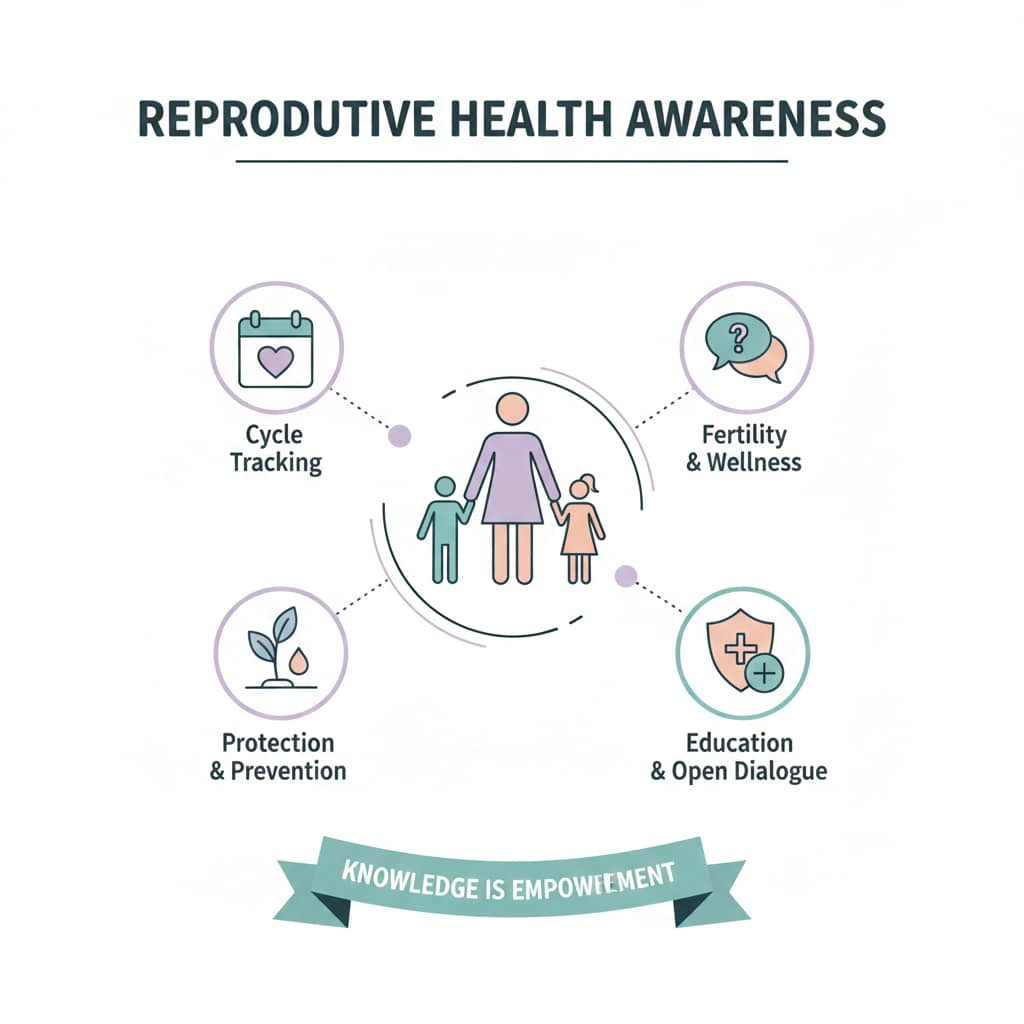
Reproductive health awareness is a fundamental pillar of public health that encompasses physical, mental, and social well-being in all matters relating to the reproductive system. At Mediquickinfo, we recognize that reproductive health is not merely the absence of disease or infirmity, but a state in which individuals have the capability to reproduce and the freedom to decide if, when, and how often to do so. This awareness is critical across the entire human life cycle, from adolescence through the reproductive years and into the transitions of later life. Understanding biological functions, hormonal balance, and preventive care is essential for maintaining systemic resilience. This 2000+ word comprehensive guide provides a clinical deep-dive into the importance of reproductive health awareness and the protocols for biological management.
1. The Biological Spectrum of Reproductive Health
From a clinical perspective, reproductive health is governed by a complex interplay of the endocrine and nervous systems. At Mediquickinfo, we analyze how the Hypothalamic-Pituitary-Gonadal (HPG) axis serves as the master regulator of reproductive functions. In both males and females, this axis controls the production of vital hormones such as estrogen, progesterone, and testosterone. These hormones do more than facilitate reproduction; they are essential for bone mineral density, cardiovascular integrity, and cognitive emotional stability.
Awareness begins with understanding the normal physiological markers of these systems. For females, this involves monitoring the menstrual cycle as a “fifth vital sign” of health. For males, it involves understanding the role of testosterone in metabolic health and vascular function. At Mediquickinfo, we stress that any disruption in these biological signals can be an early warning of underlying systemic issues. Reproductive health awareness enables individuals to recognize these cues and seek clinical intervention before minor imbalances escalate into chronic pathological conditions.
2. Life-Cycle Transitions: From Puberty to Menopause
Reproductive health requirements evolve as an individual ages. At Mediquickinfo, we prioritize the transition of **Adolescence** as a critical window for health literacy. Puberty involves rapid biological changes that require accurate clinical information to manage physical development and emotional regulation. Providing evidence-based awareness during this stage prevents the spread of misinformation and establishes a foundation for lifelong health-seeking behaviors.
In the later stages, transitions such as **Menopause** in females and the gradual decline of androgens in males (**Andropause**) represent significant biological shifts. These transitions are characterized by changes in hormonal production that can impact bone health, sleep architecture, and metabolic rate. Mediquickinfo clinical data emphasizes that proactive awareness—understanding these natural phases and the available pharmacological and lifestyle supports—is the key to navigating the aging process with dignity and vitality. Awareness removes the stigma often associated with these transitions, reframing them as manageable clinical stages.
3. Preventive Care and Infection Control
A critical component of reproductive health awareness is the prevention and early detection of Sexually Transmitted Infections (STIs) and malignancies. At Mediquickinfo, we advocate for the following clinical protocols:
- Screening and Vaccination: Regular Pap smears for cervical health and the HPV vaccine are non-negotiable for cancer prevention.
- Self-Examination: Awareness of breast and testicular tissue changes is a vital tool for the early detection of oncological markers.
- Vascular Health: Since reproductive function depends on healthy blood flow, maintaining low systemic inflammation is essential for preventing dysfunction.
4. The Impact of Nutrition and Environmental Factors
The external environment significantly influences reproductive biology. Mediquickinfo clinical reviews suggest that “Endocrine Disruptors”—chemicals found in certain plastics and pesticides—can mimic or block natural hormones, leading to reproductive challenges. Furthermore, nutritional adequacy—specifically intake of Folic Acid, Zinc, and Omega-3 fatty acids—is essential for cellular integrity within the reproductive system. Awareness of these factors empowers individuals to modify their environment and dietary architecture to protect their biological future.
Conclusion: Empowerment Through Biological Literacy
Reproductive health awareness is the ultimate tool for personal empowerment and public wellness. By understanding the biological pathways of the reproductive system and participating in proactive preventive care, you can ensure a life of health and resilience. At Mediquickinfo, we believe that informed individuals make the best clinical decisions. Your reproductive health is a vital component of your overall systemic integrity—treat it with the scientific care and attention it deserves. Trust Mediquickinfo for the clinical literacy you need to navigate every stage of life with confidence. Knowledge today is the foundation of a healthy tomorrow.
