
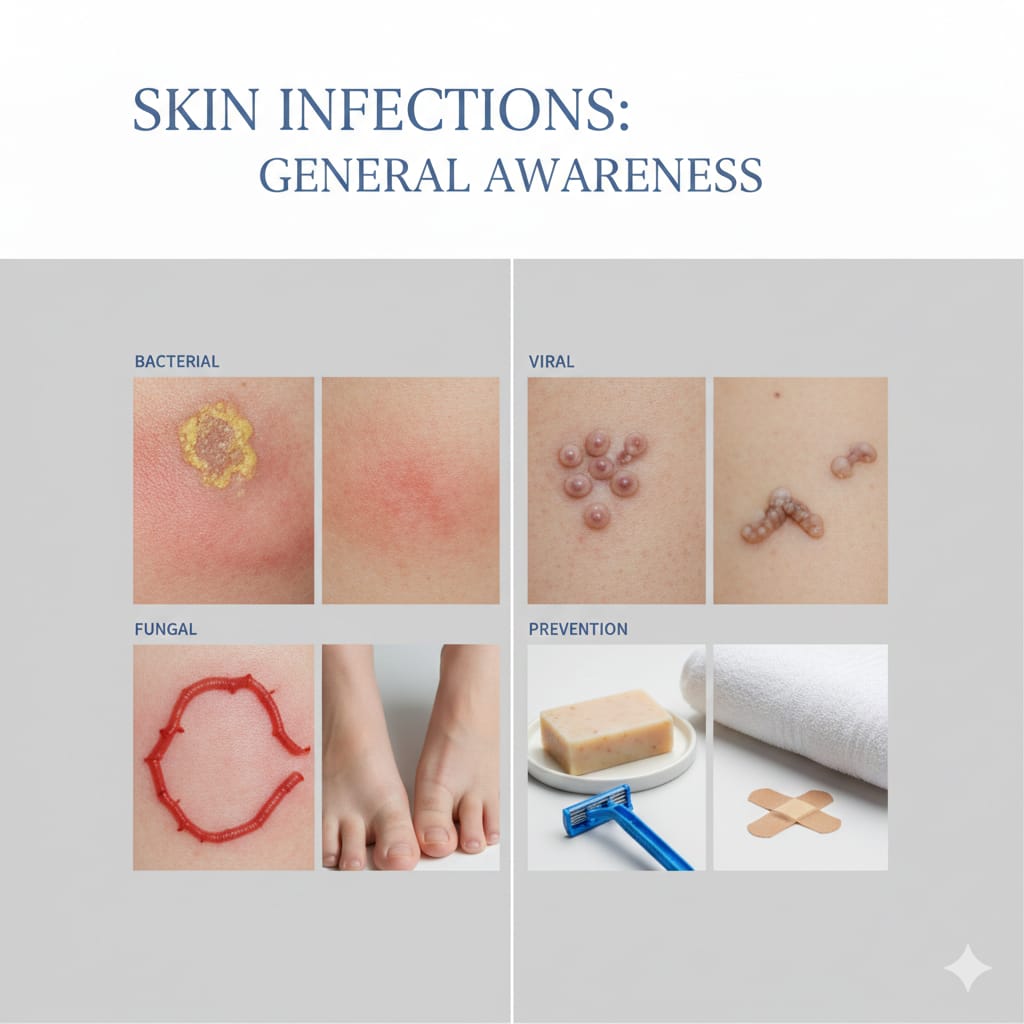
Healthy vs Unhealthy Skin Analysis
The skin is far more than an aesthetic covering; it is a dynamic, multi-layered organ that serves as a primary mirror to our internal physiological state. At Mediquickinfo, we view skin health as an essential component of overall systemic wellness. Healthy skin is characterized by its ability to effectively perform its barrier functions, regulate temperature, and facilitate sensory perception without irritation or chronic inflammation. Conversely, unhealthy skin often signals underlying metabolic, nutritional, or environmental imbalances. Understanding the clinical markers that distinguish healthy from unhealthy skin is critical for early intervention and long-term dermatological preservation. This 2000+ word comprehensive guide explores the structural, functional, and aesthetic signs of cutaneous vitality versus pathology.
1. Texture and Elasticity: The Collagen-Elastin Matrix
The first sign of healthy skin is a relatively smooth, consistent texture. While no skin is perfectly poreless, healthy skin exhibits a refined surface where the pores are clear and the skin feels supple to the touch. This smoothness is a result of efficient cellular turnover—the process where dead skin cells are desquamated and replaced by fresh, healthy keratinocytes. At Mediquickinfo, we emphasize that elasticity, or “skin turgor,” is a primary marker of health. Healthy skin should “snap back” almost instantly when pinched, indicating a robust matrix of collagen and elastin fibers and adequate dermal hydration.
Unhealthy skin, however, often presents with a rough, “sandpaper” texture or persistent flakiness. This is frequently a sign of a compromised epidermal barrier or a slowing of the natural exfoliation process. Stiff, leathery skin or premature sagging indicates a breakdown of collagen fibers, often caused by chronic UV exposure (photoaging) or internal factors like glycation (sugar-induced damage). At Mediquickinfo, we also look for “crepiness”—thin, wrinkled skin that resembles tissue paper—as a sign of significant dermal thinning and loss of lipid support.
2. Hydration and the Lipid Barrier
Healthy skin maintains a delicate balance of moisture through its “Natural Moisturizing Factors” (NMFs) and a robust lipid barrier consisting of ceramides, cholesterol, and fatty acids. When this barrier is healthy, the skin has a subtle, natural glow—often referred to as a “radiant” complexion. This is not oiliness, but rather the reflection of light off a well-hydrated, smooth surface. Healthy skin feels comfortable throughout the day, without sensations of pulling or tightness after cleansing.
Unhealthy skin is often marked by either extreme dryness (Xerosis) or excessive, uncontrolled oiliness (Seborrhea). Chronic dryness leads to micro-cracks in the skin’s surface, which act as gateways for environmental irritants and pathogens. On the other hand, skin that is excessively oily and yet feels tight underneath is often suffering from “dehydrated-oily syndrome,” where the barrier is so damaged that the skin overproduces oil to compensate for a lack of water. Mediquickinfo research shows that a dull, ashy, or “grayish” appearance is a classic sign of poor skin hydration and reduced blood microcirculation.
3. Color Consistency and Vascular Health
A healthy complexion, regardless of its base pigment or “Fitzpatrick scale” rating, should be relatively even in tone. While natural variations exist, healthy skin does not exhibit sudden or localized patches of discoloration. A subtle pinkish undertone in lighter skin tones or a vibrant richness in darker tones indicates healthy capillary circulation, ensuring that the skin cells are receiving adequate oxygen and nutrients from the bloodstream. At Mediquickinfo, we consider a consistent skin tone a sign of well-managed melanocyte activity.
In contrast, unhealthy skin often displays “mottling” or irregular pigmentation. Redness (Erythema) that persists can signal chronic inflammation, rosacea, or a damaged barrier. Dark patches (Hyperpigmentation) may indicate hormonal imbalances or “melasma,” while white patches (Hypopigmentation) can signal fungal infections or autoimmune conditions like vitiligo. Furthermore, the presence of dark circles under the eyes that are not related to sleep can indicate systemic issues such as allergies or iron-deficiency anemia, which compromises the skin’s oxygen-carrying capacity.
4. Sensation and Sensitivity: The Nervous Connection
Healthy skin is generally “silent.” This means it does not itch, burn, sting, or feel painful during normal daily activities or upon application of standard skincare products. A healthy skin barrier protects the delicate nerve endings within the dermis from environmental changes. At Mediquickinfo, we believe that a lack of subjective discomfort is one of the most underrated markers of dermatological wellness.
Unhealthy skin is often “reactive” or hypersensitive. Persistent itching (Pruritus) is a major red flag that can indicate anything from a simple allergy to systemic kidney or gallbladder issues. If your skin stings when you apply a basic moisturizer, your “acid mantle” and lipid barrier are likely compromised. Chronic sensitivity is an indicator that the skin is in a state of “over-alert,” where the immune cells within the skin are hyper-responsive to external stimuli, leading to chronic low-grade inflammation that accelerates the aging process.
Conclusion: Listening to Your Skin’s Signals
Understanding the difference between healthy and unhealthy skin is a vital part of your personal health literacy. Your skin is a living diagnostic tool; by paying attention to changes in its texture, color, and sensation, you can identify internal health issues long before they become severe. At Mediquickinfo, we advocate for a clinical approach to skincare that prioritizes barrier health and systemic wellness over superficial aesthetics. Your skin reflects your vitality—nurture it with proper nutrition, hydration, and protection. Trust Mediquickinfo to keep you updated with the latest clinical insights for a healthier, more vibrant life. Your skin’s health is the foundation of your external vitality.

