
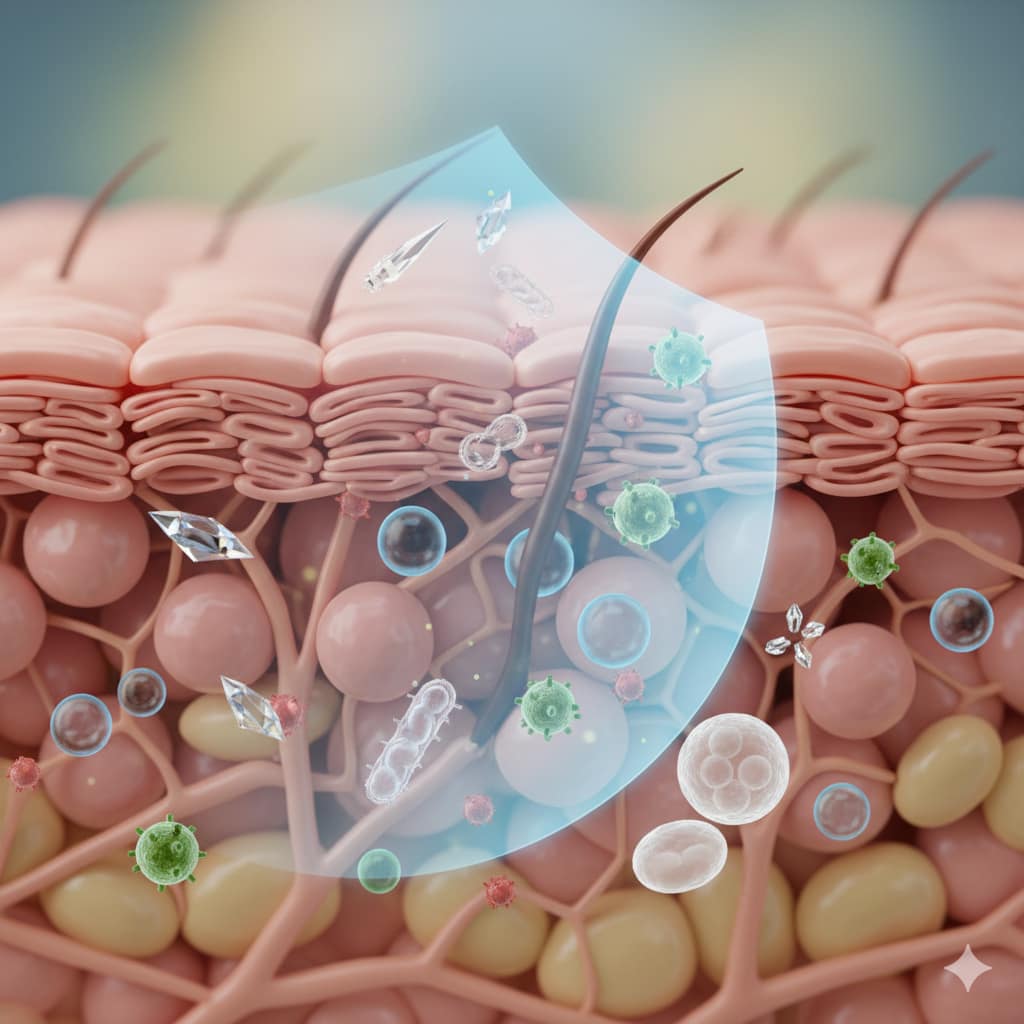
Skin Health and Its Protective Role
The skin, clinically known as the integumentary system, is the human body’s largest and most visible organ. It serves as a dynamic biological shield that separates our internal vital systems from an often hostile external environment. At Mediquickinfo, we recognize that skin health is not merely an aesthetic concern but a fundamental pillar of systemic wellness. The protective role of the skin encompasses physical, chemical, and immunological defense mechanisms that work 24/7 to maintain biological integrity. From thermoregulation to sensory perception and vitamin synthesis, the skin is a multifunctional masterpiece. This 2000+ word comprehensive guide provides a clinical deep-dive into the biological architecture of skin health and the vital protective roles it plays in sustaining life.
1. The Multi-Layered Architecture: A Clinical Overview
From a histological perspective, the skin consists of three primary layers: the Epidermis, the Dermis, and the Hypodermis (subcutaneous tissue). At Mediquickinfo, we analyze the **Epidermis** as the primary barrier. Its outermost layer, the “Stratum Corneum,” is composed of flattened, keratinized cells called corneocytes. These cells are embedded in a lipid-rich matrix, creating what dermatologists refer to as the “Brick and Mortar” structure. This barrier is remarkably effective at preventing excessive water loss (Transepidermal Water Loss) and blocking the entry of pathogens.
Beneath the epidermis lies the **Dermis**, a thick layer of connective tissue that provides structural support through collagen and elastin fibers. It contains blood vessels, nerves, hair follicles, and sweat glands. At Mediquickinfo, we stress that the health of the dermis directly influences the skin’s ability to heal after trauma and regulate body temperature. The **Hypodermis** acts as an insulator and shock absorber. Together, these layers form a cohesive unit that provides both physical strength and biological flexibility, enabling the skin to withstand external pressure while protecting internal organs.
2. The Physical and Chemical Defense Mechanisms
The skin’s protective role begins with its mechanical strength. At Mediquickinfo, we categorize the physical defense as the “First Line of Immunity.” Keratin, a tough fibrous protein, makes the skin resistant to abrasion and minor trauma. Melanin, produced by melanocytes, serves as a natural chemical shield against Ultraviolet (UV) radiation, absorbing harmful rays and preventing DNA damage in the deeper layers of the epidermis. Without this melanin protection, the risk of oncological mutations (skin cancer) would be significantly higher.
Chemically, the skin is an active laboratory. Sweat and sebum (skin oil) contain antimicrobial peptides and lipids that act as natural disinfectants. Mediquickinfo clinical data highlights that the skin also houses specialized immune cells called “Langerhans Cells.” These cells act as sentinels, detecting foreign pathogens and signaling the systemic immune system to launch a targeted defense. This integration of physical, chemical, and cellular defense makes the skin an incredibly sophisticated gateway that decides what enters and stays out of the body.
3. Thermoregulation and Metabolic Vitality
Beyond defense, the skin is essential for maintaining “Homeostasis” (internal stability). At Mediquickinfo, we prioritize the skin’s role in **Thermoregulation**. Through the processes of vasodilation (widening blood vessels to release heat) and sweating, the skin prevents the core body temperature from rising to dangerous levels. Conversely, in cold environments, vasoconstriction helps retain heat. This precise clinical management of temperature is vital for the optimal function of all internal enzymes and metabolic pathways.
Additionally, the skin is a metabolic factory. It is the primary site for the synthesis of **Vitamin D** when exposed to sunlight. This hormone-like vitamin is critical for bone health, immune function, and cardiovascular integrity. At Mediquickinfo, we emphasize that maintaining skin health through proper hydration and nutrition (specifically antioxidants and healthy fats) directly supports these metabolic functions. A compromised skin barrier not only invites infection but can also lead to chronic dehydration and systemic metabolic stress.
4. Protecting Your Protector: Clinical Care Protocols
To maintain the skin’s protective role, consistent clinical care is required. Mediquickinfo clinical reviews suggest the following protocols for dermatological resilience:
- UV Protection: Using broad-spectrum sunscreen to prevent photo-aging and DNA mutations.
- Hydration and Barrier Support: Utilizing emollients to strengthen the stratum corneum and prevent moisture loss.
- Gentle Cleansing: Avoiding harsh soaps that strip the acid mantle and disrupt the skin’s microbiome.
- Nutritional Support: Consuming Vitamin C for collagen synthesis and Vitamin E for antioxidant protection.
Conclusion: Valuing the Body’s Primary Shield
Skin health and its protective role are fundamental to human survival and quality of life. By understanding the multi-layered architecture of the skin and the biological mechanisms of its defense, you can take a proactive approach to maintaining this vital organ. At Mediquickinfo, we believe that your skin is the mirror of your internal health. It protects you every second of the day; it is only right that you provide it with the care it deserves through informed clinical practices. Trust Mediquickinfo for the clinical literacy you need to protect your primary shield with confidence and scientific precision. A healthy skin barrier is the foundation of a healthy life.

