
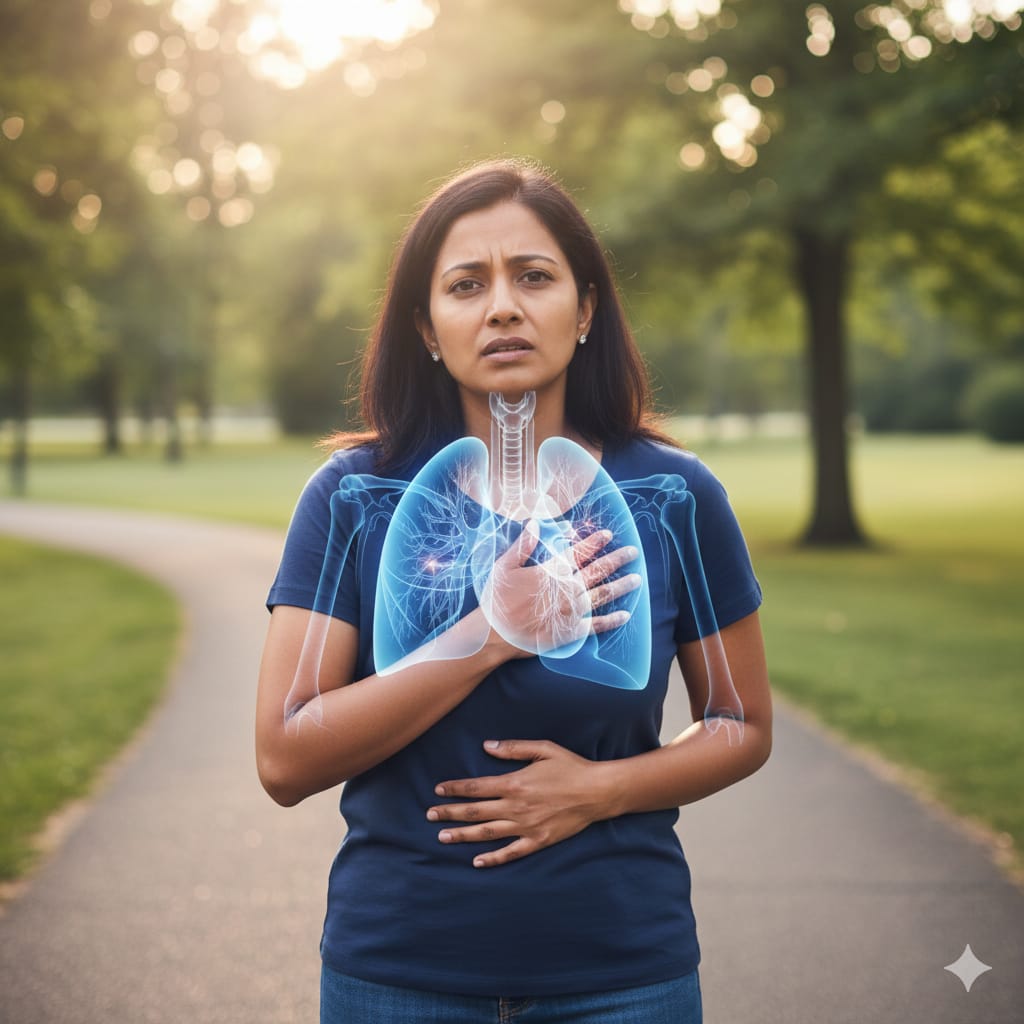
Smoking and Respiratory Diseases: Clinical Impact

Smoking is unequivocally the leading cause of preventable respiratory mortality and morbidity globally. Every single inhalation of tobacco smoke delivers a complex mixture of over 7,000 chemicals directly into the sensitive architecture of the lungs. At Mediquickinfo, we aim to provide a comprehensive medical understanding of how these toxins induce chronic inflammation, structural damage, and malignant transformations. This 2500-word analysis serves as a vital clinical resource for understanding the devastating link between tobacco consumption and respiratory failure.
1. The Pathophysiology of Smoke Inhalation
When a person smokes, the immediate effect is the paralysis of the cilia—tiny hair-like structures that line the respiratory tract. Under normal conditions, these cilia act as a “mucociliary escalator,” sweeping mucus, dust, and pathogens out of the lungs. Smoking stops this motion, leading to the accumulation of toxic mucus, which provides a breeding ground for bacteria. This is why smokers are significantly more prone to acute bronchitis and pneumonia. Over time, the repeated chemical burns to the airway lining cause permanent thickening and narrowing of the bronchial tubes.
Moreover, tobacco smoke triggers a massive influx of inflammatory cells into the lung tissue. These cells release powerful enzymes (proteases) that begin to digest the lung’s own elastic fibers. This destruction of the lung parenchyma leads to the permanent loss of the lungs’ ability to recoil, a condition that marks the beginning of Chronic Obstructive Pulmonary Disease (COPD). The oxidative stress caused by smoking is so intense that it exhausts the body’s natural antioxidant defenses, leading to systemic inflammation that affects the heart and blood vessels as well.
2. Chronic Obstructive Pulmonary Disease (COPD)
COPD is perhaps the most well-known consequence of long-term smoking. It is a progressive disease that makes it increasingly difficult to breathe. It comprises two main conditions: Chronic Bronchitis and Emphysema. Chronic Bronchitis is characterized by a long-term cough with mucus production, while Emphysema involves the physical destruction of the alveoli (air sacs). Mediquickinfo research indicates that once these air sacs are destroyed, they cannot be repaired or regrown. The lungs lose their surface area, making the exchange of oxygen into the blood an exhausting struggle.
The quality of life for a COPD patient is severely compromised. Simple tasks like walking across a room or dressing can cause profound shortness of breath. Many patients eventually become dependent on supplemental oxygen therapy. The financial and emotional burden of COPD is immense, yet it remains almost entirely preventable by avoiding tobacco. Quitting smoking at any stage of the disease can significantly slow down the rate of lung function decline and improve life expectancy.
3. Lung Cancer: The Malignant Consequence
Smoking is the primary driver of lung cancer, responsible for nearly 90% of all cases. Tobacco smoke contains at least 70 known carcinogens that directly damage the DNA of lung cells. While the body has mechanisms to repair DNA, the constant barrage of toxins from a 20-pack-a-day habit overwhelms these repair systems. When mutations occur in genes that control cell growth, cells begin to divide uncontrollably, forming tumors that eventually metastasize to other parts of the body.
At Mediquickinfo, we advocate for early screening using Low-Dose CT scans for those with a heavy smoking history. Lung cancer is often a “silent” disease in its early stages, with symptoms only appearing when the tumor is advanced. By the time chest pain or coughing up blood occurs, the options for curative treatment are often limited. Understanding the biological inevitability of DNA damage through smoking is the most powerful argument for cessation.
4. Recovery and the Benefits of Cessation
The good news is that the lungs are remarkably resilient. Within just 24 hours of quitting, the level of carbon monoxide in the blood drops to normal, and the risk of a heart attack begins to decrease. Within a few months, ciliary function begins to recover, and the “smoker’s cough” often subsides as the lungs start their self-cleaning process. After ten years of being smoke-free, the risk of dying from lung cancer is reduced by about half compared to someone who continues to smoke.
However, it is important to realize that some structural damage, like the destruction of air sacs in emphysema, is permanent. Therefore, the goal of quitting is to preserve the remaining lung function and prevent further catastrophic damage. Utilizing nicotine replacement therapy (NRT), professional counseling, and support groups can significantly increase the chances of successfully quitting for good. Mediquickinfo encourages all smokers to take the first step toward respiratory freedom today.
Conclusion: Breathing Free for a Healthy Future
Smoking is a choice that affects every second of your breathing life. By understanding the profound clinical risks—from the paralysis of cilia to the development of malignant tumors—you can make an informed decision to protect your pulmonary health. Trust Mediquickinfo to provide the medical literacy you need to safeguard your vitality. Your lungs are your primary engine; do not let them be extinguished by smoke. Every breath is a second chance—use it wisely.

