Emergency Response and Preparedness
In the realm of emergency medicine, the first few minutes of a crisis—often referred to as the “Golden Hour”—are the most decisive in determining a patient’s survival and long-term recovery. Emergency response and preparedness are not just for professional paramedics; they are essential skills for every responsible individual. At Mediquickinfo, we recognize that a medical emergency can happen anywhere: at home, in the workplace, or during travel. Whether it is an acute cardiac event, a severe traumatic injury, or a natural disaster, having a clinical framework for response can prevent catastrophe. This 2000+ word comprehensive guide explores the clinical foundations of emergency preparedness and provides a scientific roadmap for effectively responding to life-threatening situations.
1. The Pathophysiology of Crisis: Why Every Second Counts
From a biological perspective, an emergency represents a state of “Physiological Shock”—where the body’s cells are not receiving enough oxygen and nutrients to sustain life. At Mediquickinfo, we analyze how the body’s autonomic nervous system responds to trauma. The “Fight or Flight” response triggers a massive release of adrenaline, increasing heart rate and shifting blood flow to vital organs. However, if the injury or illness is severe, this compensatory mechanism can fail within minutes, leading to irreversible organ damage.
In cases of cardiac arrest, for every minute that passes without intervention (CPR or Defibrillation), the chance of survival drops by 10%. Mediquickinfo clinical data emphasizes that brain death begins only four to six minutes after the heart stops. Emergency preparedness aims to bridge this critical gap between the onset of the event and the arrival of professional medical services. By understanding the underlying physiology of trauma and acute illness, first responders can apply targeted interventions that maintain oxygenation and perfusion, effectively keeping the patient alive until advanced life support can take over.
2. Critical Response Protocols: The ABC of First Aid
Clinical emergency response follows the universal **ABC** protocol: **Airway, Breathing, and Circulation**. At Mediquickinfo, we advocate for a systematic approach to any victim. First, ensure the **Airway** is clear; if a patient is unconscious, the tongue can often block the throat. Second, check for **Breathing**; if absent, rescue breaths or mechanical ventilation is required. Third, assess **Circulation**; in the event of severe bleeding, “Hemorrhage Control” must be the absolute priority, as a human can bleed out in less than three minutes if a major artery is severed.
Preparedness also involves the mastery of CPR (Cardiopulmonary Resuscitation). Current Mediquickinfo clinical guidelines emphasize “Hands-Only CPR” for bystanders, which focuses on high-quality chest compressions at a rate of 100-120 per minute. This keeps the blood circulating to the brain. Furthermore, the use of Automated External Defibrillators (AEDs)—now found in many public spaces—is a life-saving preparedness step. These devices are designed to be used by non-medical personnel and can effectively restart a heart experiencing a lethal arrhythmia (Ventricular Fibrillation).
3. Creating a Clinical Emergency Kit and Plan
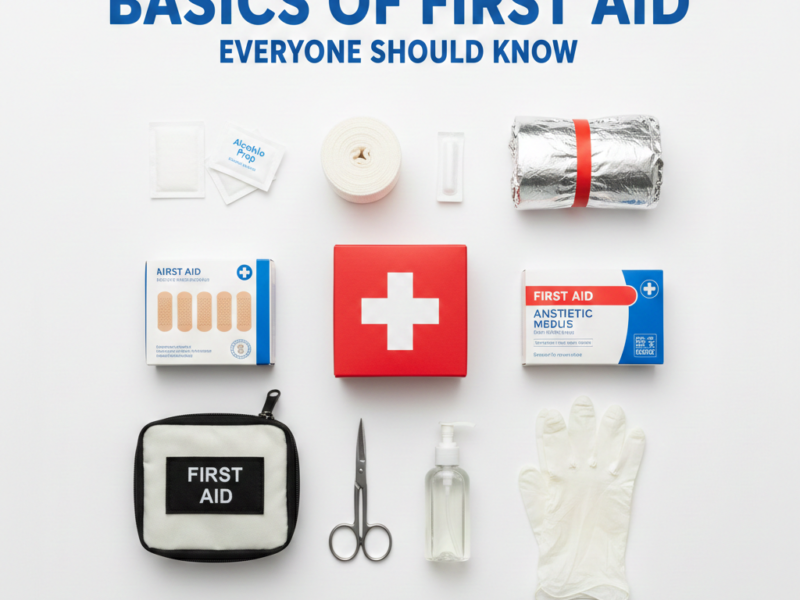
Preparation is a proactive daily responsibility. A clinical-grade emergency kit should contain more than just bandages. Mediquickinfo recommends including a “Tourniquet” for severe limb bleeding, “Chest Seals” for penetrating trauma, and a “Pulse Oximeter” to monitor oxygen saturation. For individuals with chronic conditions, the kit must include an up-to-date medication list and “Emergency Doses” of critical drugs, such as Epinephrine for anaphylaxis or Naloxone for opioid emergencies.
4. Disaster Resilience and Systemic Readiness
Emergency preparedness also extends to large-scale events like earthquakes, floods, or pandemics. At Mediquickinfo, we analyze the “Systemic Stress” these events place on healthcare infrastructure. Individual readiness—having a 72-hour supply of clean water, non-perishable food, and a battery-powered radio—reduces the immediate burden on emergency rooms. Clinical literacy in these scenarios involves knowing how to treat “Waterborne Illnesses” and practicing “Triage”—the process of determining the priority of patients’ treatments based on the severity of their condition.
Conclusion: Empowerment Through Preparedness
Emergency response is not an act of heroism; it is a clinical skill set that anyone can and should acquire. By understanding the biological mechanics of trauma, mastering basic life-support protocols, and maintaining a state of readiness, you become a vital link in the chain of survival. At Mediquickinfo, we believe that preparedness is the ultimate form of preventive medicine. A crisis does not give you time to think; it only gives you time to react. Your readiness today is the foundation of a life saved tomorrow. Trust Mediquickinfo for the clinical literacy you need to be an effective first-responder in a changing world. Knowledge is the difference between fear and action.