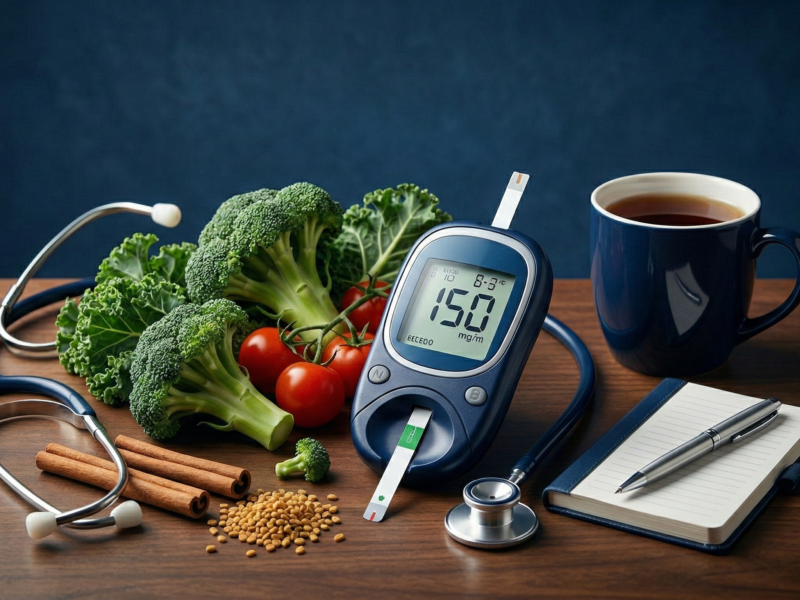
The Shift to Once-Weekly Insulin: How New Diabetes Treatments Are Changing in 2026
For nearly a century, the daily basal insulin regimen has been both a lifesaver and a significant therapeutic hurdle for millions worldwide. Managing type 2 diabetes has long demanded meticulous daily tracking, painful pricks, and the constant psychological burden of maintaining glycemic control. However, the medical landscape of 2026 is witnessing an unprecedented paradigm shift: the clinical arrival of once-weekly basal insulin.
The transition from 365 painful injections per year to a mere 52 is not merely an incremental upgrade; it represents an absolute revolution in endocrinology, preventative care, and patient compliance. Backed by rigorous Phase 3 clinical trials and regulatory nods from international bodies, these innovative basal molecules are transforming how healthcare professionals approach glycemic control. In this definitive guide, we will unpack the deep clinical mechanisms, real-world patient impacts, and long-term economic advantages of making the move to a once-weekly insulin paradigm.
The Biological Innovation: How Once-Weekly Insulin Works
To appreciate the significance of a once-weekly injection, one must understand how regular basal insulin behaves in the body. Traditional long-acting insulins, such as insulin glargine or detemir, are designed to dissolve slowly from the subcutaneous tissue over 24 hours, providing a steady baseline level of the hormone.
The new class of weekly insulins—most notably Insulin Icodec and Insulin Efsitora Alfa—utilize sophisticated molecular engineering to dramatically extend their half-life. By binding strongly yet reversibly to human albumin (the most common protein in our blood plasma), these molecules create a slow-releasing systemic reservoir. The insulin is gradually cleaved and activated over a span of exactly seven days, maintaining a remarkably smooth, predictable pharmacokinetic profile without dangerous spikes or drops.
Clinical Term Breakdown: Pharmacokinetics
Pharmacokinetics describes how the human body absorbs, distributes, metabolizes, and excretes a drug over time. For once-weekly insulins, the modified molecular structure ensures a slow, balanced absorption rate from subcutaneous tissues, ensuring steady plasma concentrations throughout the week.
Key Clinical Insights: Efficacy, Safety, and Hypoglycemia Risks
Naturally, both patients and clinicians raise immediate questions regarding safety: Does condensing a week’s worth of insulin into one injection increase the risk of severe low blood sugar (hypoglycemia)? Extensive data from the global ONWARDS and QWINT clinical trial programs have provided definitive answers to these exact questions.
The trials evaluated thousands of adults living with type 2 diabetes, directly comparing once-weekly icodec against standard daily basal insulins. The key findings include:
- Superior HbA1c Reduction: Patients on the weekly regimen achieved comparable, and in many cohorts superior, reductions in hemoglobin HbA1c levels compared to daily injection groups.
- Improved Time in Range (TIR): Continuous glucose monitoring data revealed that patients spent more hours per day within the optimal blood glucose window of 70 to 180 mg/dL.
- Comparable Safety Profile: The rates of severe hypoglycemic events remained exceptionally low, proving that the slow-release molecular design works smoothly across varied physical activities and dietary shifts.
| Therapeutic Metrics | Traditional Daily Basal Insulin | Next-Gen Once-Weekly Basal Insulin |
|---|---|---|
| Injections Per Year | 365 injections | 52 injections |
| Molecular Mechanism | Subcutaneous precipitation/slow dissolution | Reversible, high-affinity albumin binding |
| Time in Optimal Range (TIR) | Baseline reference standard | Consistently higher across clinical cohorts |
| Patient Compliance Rates | Moderate to low due to injection fatigue | Significantly elevated; highly preferred by patients |
Why This Matters for Patient Compliance and Psychological Well-being
In chronic disease management, prescription medications are only effective if patients take them consistently. Clinical studies show that over 30% of individuals prescribed daily insulin routinely skip or delay doses due to injection fatigue, pain, embarrassment, or complex daily schedules.
Shifting to a once-weekly model removes a massive emotional and structural barrier. Patients no longer need to plan their daily lives, business travel, or social events around an exact evening or morning injection window. The alleviation of “diabetes burnout”—the chronic stress and emotional exhaustion associated with daily disease management—is arguably the most profound, immediate benefit of this development.
Overcoming the “Fear of Initiation”
For many people managing type 2 diabetes, transitioning from oral medications to insulin feels like a personal failure or a daunting final step. The prospect of multiple daily self-injections causes significant anxiety. By presenting a simple, once-a-week habit—much like the highly popular GLP-1 weight management therapies—physicians are finding it far easier to initiate early insulin therapy, ultimately preventing long-term diabetic complications like neuropathy and retinopathy.
The Global Healthcare Impact and Financial Implications
From a public health and health economics perspective, once-weekly therapies bring widespread advantages. Poorly managed diabetes leads to billions of dollars in emergency room visits, cardiovascular surgeries, dialysis treatments, and lost workforce productivity annually.
By stabilizing patient adherence, healthcare networks can expect to see a sharp reduction in long-term diabetic complications. While the per-dose cost of weekly modern insulin formulations may sit at a premium compared to decades-old daily generic insulins, the reduction in ancillary supplies (needles, disposal biohazard units, daily tracking infrastructure) and systemic hospital costs makes it a highly cost-effective intervention over time.
The 2026 Core Takeaway
The shift toward once-weekly metabolic care signifies a broader movement toward patient-centric medicine. By integrating extended-release biopharmaceutics, medical systems are transforming diabetes from a high-maintenance, hourly management issue into a manageable weekly routine.
Transitioning Protocols: How Patients Switch Safely
For individuals currently utilizing daily basal insulins who wish to discuss this option with their endocrinologist, the transition protocol is highly structured. Medical professionals do not simply multiply a single daily dose by seven.
- Comprehensive Metabolic Profiling: Doctors analyze a patient’s current daily basal requirement alongside their average fasting blood sugar levels and HbA1c history.
- The Loading Dose Calculation: A precisely calculated initial dose is given to smoothly build up the necessary albumin-bound reservoir in the body without triggering acute hypoglycemia.
- Continuous Monitoring Integration: For the first 2 to 3 weeks following the switch, clinicians highly recommend utilizing a continuous glucose monitor (CGM) to track real-time trends and adjust the weekly dose as required.
Conclusion: A New Era of Freedom and Freedom in Diabetes Management
The emergence of once-weekly basal insulin in 2026 marks a milestone victory for modern medical science. By eliminating over 300 injections a year, this breakthrough directly tackles injection fatigue, eliminates daily psychological stress, and drastically raises the baseline of clinical compliance.
As these therapies roll out globally, staying informed about clinical breakthroughs empowers you to make proactive choices alongside your healthcare provider. The future of diabetes management isn’t just about survival; it’s about reclaiming your time, health, and lifestyle.
Note: This information is for educational purposes for MediQuickInfo.com readers. Consult a medical professional for personalized advice.