Maintaining Healthy Lungs at All Ages

Our lungs are the tireless engines of life, facilitating the exchange of oxygen and carbon dioxide over 22,000 times a day. At Mediquickinfo, we recognize that respiratory health is not a static state but an evolving biological priority that changes through every stage of life. From the developing lungs of a child to the resilient system of an athlete and the aging airways of a senior, maintaining pulmonary integrity is essential for overall longevity. This 2500-word comprehensive guide explores the clinical pathways to healthy lungs, environmental protection, and the lifestyle habits necessary to ensure every breath remains effortless and efficient.
1. The Foundation: Lung Development in Childhood and Adolescence
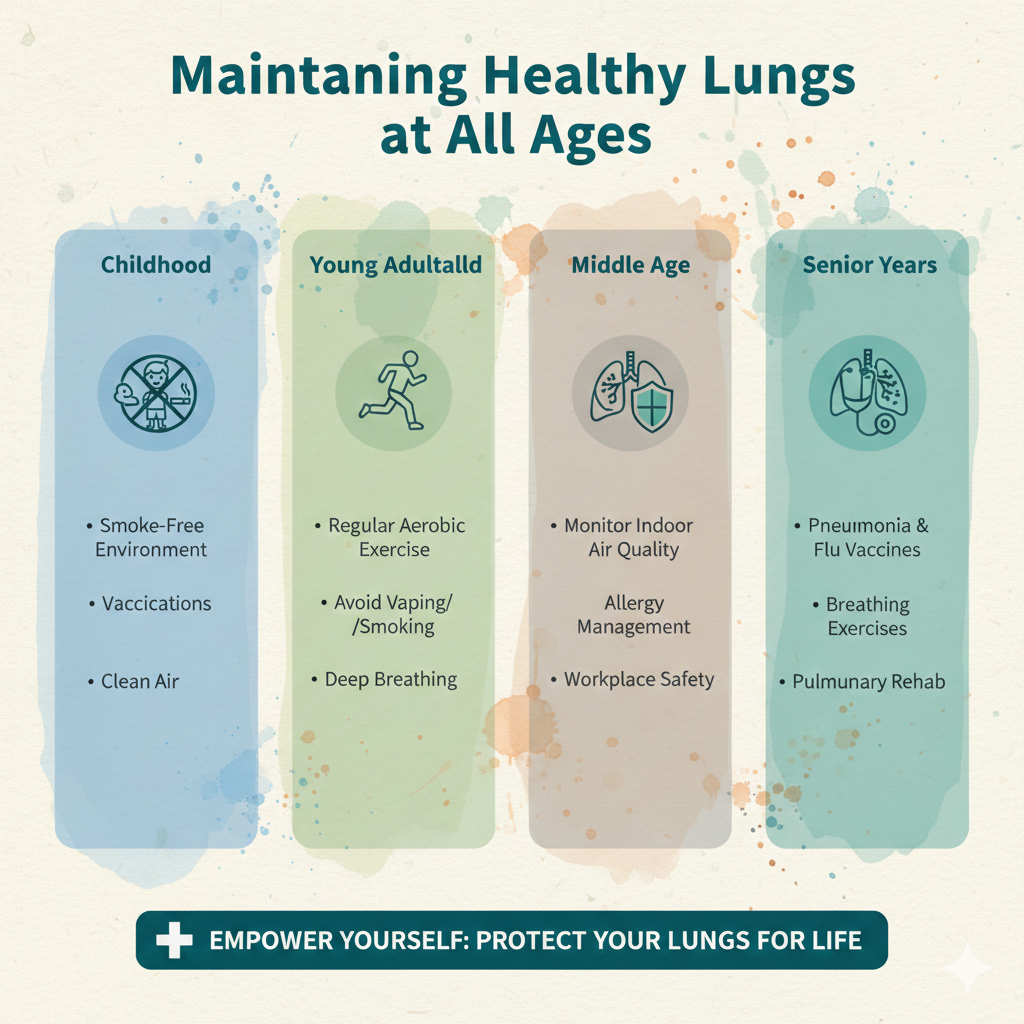
The journey toward lifelong respiratory health begins in infancy. A child’s lungs are not merely smaller versions of adult lungs; they are in a constant state of structural development until the early 20s. During these formative years, the alveoli (tiny air sacs) increase in number and surface area to optimize oxygen absorption. At Mediquickinfo, we emphasize that exposure to secondhand smoke or high levels of environmental pollution during this stage can lead to “stunted lung growth,” a condition where the maximum lung capacity is never fully achieved, increasing the risk of chronic diseases in adulthood.
In adolescence, physical activity plays a critical role in expanding lung volume and strengthening the diaphragm—the primary respiratory muscle. Aerobic exercises such as swimming, cycling, and running train the lungs to handle higher oxygen demands efficiently. Furthermore, avoiding the modern epidemic of vaping is crucial for teens, as the aerosolized chemicals can cause immediate “popcorn lung” or bronchiolitis obliterans, which permanently scars the smallest airways.
2. Adulthood: Managing Environmental and Occupational Hazards
During adulthood, the primary threat to lung health transitions from developmental issues to environmental exposure. Many individuals are exposed to occupational hazards such as dust, fumes, and industrial chemicals. At Mediquickinfo, we advocate for the rigorous use of personal protective equipment (PPE) in high-risk environments. Even in domestic settings, the “silent” threat of indoor air pollution—from gas stoves, mold, and volatile organic compounds (VOCs) in cleaning products—can trigger chronic low-grade inflammation in the bronchial tubes.
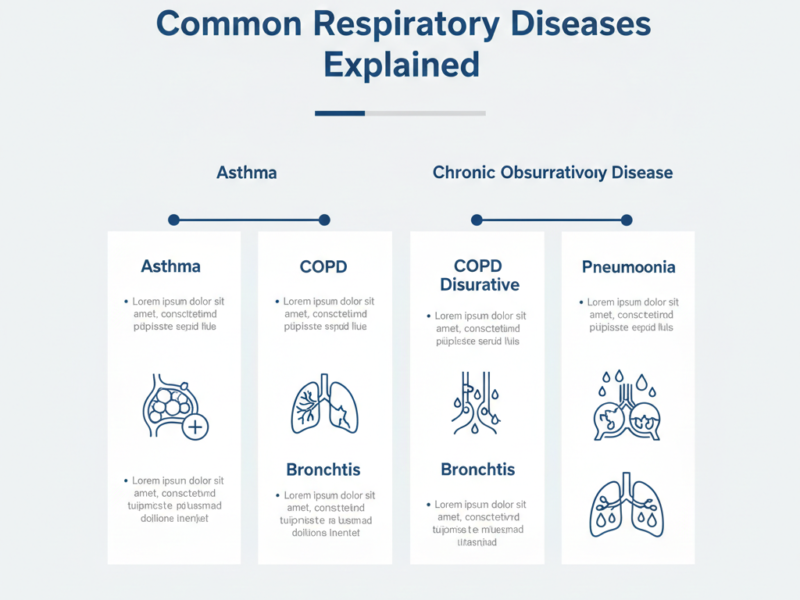
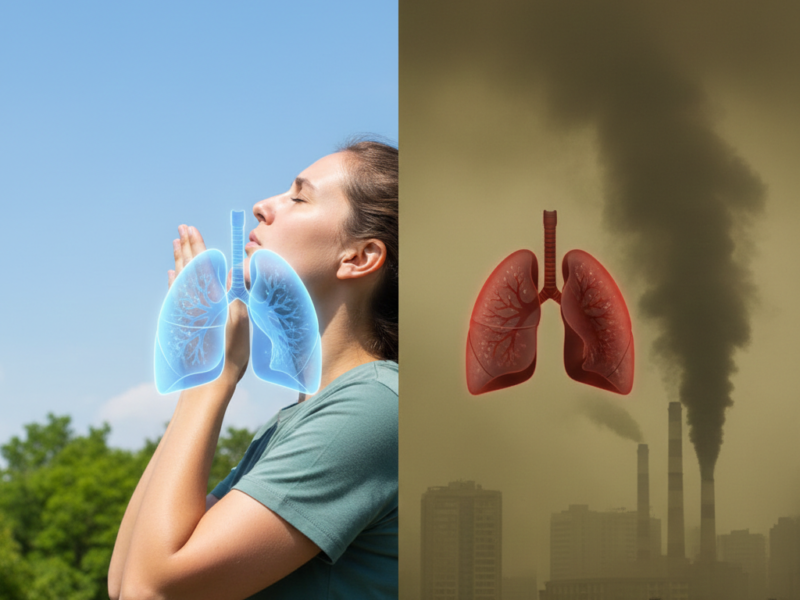
The impact of smoking and prolonged exposure to air pollution (PM2.5) cannot be overstated. These toxins paralyze the cilia—tiny hair-like structures that sweep mucus and germs out of the lungs. When this “ciliary escalator” fails, mucus accumulates, creating a breeding ground for infections and eventually leading to Chronic Obstructive Pulmonary Disease (COPD). Quitting smoking at any age initiates an immediate healing process, where the lungs begin to clear debris and reduce inflammation within just 24 hours of the last cigarette.
3. Senior Years: Protecting Resilience and Capacity
As we age, the tissues of the lungs lose some of their elasticity, and the rib cage may become slightly more rigid. This natural process makes it harder for the lungs to expand and contract fully. However, “aging lungs” do not have to mean “failing lungs.” Mediquickinfo clinical reviews suggest that deep breathing exercises, such as diaphragmatic breathing and pursed-lip breathing, can significantly improve oxygen exchange and reduce the “shortness of breath” often associated with old age.
Furthermore, the immune system’s response within the lungs (pulmonary immunity) weakens with age, making seniors more susceptible to pneumonia and influenza. Regular vaccinations and maintaining a high-antioxidant diet are essential strategies for protecting the aging respiratory system. Ensuring adequate hydration is also key, as it keeps the mucosal lining of the airways thin and easier to clear, preventing the “mucus plugs” that can lead to collapse in smaller lung segments.
4. The Role of Nutrition and Hydration in Lung Health
What we eat directly influences how we breathe. The metabolic process of converting food into energy produces carbon dioxide as a waste product. A diet high in complex carbohydrates produces more carbon dioxide than a diet rich in healthy fats. For individuals with compromised lung function, Mediquickinfo often recommends a lower-carbohydrate, higher-fat “pulmonary diet” to reduce the respiratory load on the body.
Specific nutrients also provide direct protection. Vitamin D is essential for lung immunity and has been linked to better asthma control. Omega-3 fatty acids, found in fatty fish and flaxseeds, act as powerful anti-inflammatories that protect the delicate alveolar membranes from oxidative stress. Additionally, magnesium helps the smooth muscles of the bronchial tubes relax, facilitating better airflow—a critical factor for those suffering from exercise-induced bronchospasm.
5. Preventive Screening and Modern Diagnostics
Early detection is the hallmark of successful respiratory management. Many chronic lung conditions, including early-stage lung cancer and emphysema, do not produce symptoms until they are advanced. At Mediquickinfo, we recommend regular “Spirometry” tests for individuals with a history of smoking or heavy environmental exposure. This simple test measures how much air you can breathe out in one second and provides a “lung age” that can serve as a powerful motivator for lifestyle changes.
Advanced diagnostics like Low-Dose CT (LDCT) scans are now the gold standard for early lung cancer screening in high-risk groups. Monitoring your “Peak Flow” at home can also help asthma patients recognize a flare-up before it becomes an emergency. By integrating these medical tools with a proactive lifestyle, you can ensure that your respiratory system continues to support your vitality well into your 80s and 90s.
Conclusion: A Lifetime of Breathing Free
Maintaining healthy lungs is a lifelong commitment that requires a synergy of protection, activity, and clinical awareness. Your lungs are resilient, but they are also vulnerable to the cumulative effects of our modern environment. By staying informed, avoiding toxins, and nurturing your pulmonary capacity through every decade, you can ensure that your breath remains your most powerful asset. Trust Mediquickinfo to keep you updated with the latest scientific insights into respiratory health. Your next breath is a gift—protect the system that makes it possible.