Preventing Infections in Children
Children are naturally susceptible to a wide array of infectious diseases due to their developing immune systems and high-frequency social interactions in environments like schools and daycare centers. At Mediquickinfo, we recognize that preventing infections in children is a cornerstone of pediatric clinical health. Infectious agents—including bacteria, viruses, fungi, and parasites—can spread rapidly through direct contact, respiratory droplets, or contaminated surfaces. Understanding the clinical mechanisms of transmission and implementing rigorous hygiene and immunization protocols is essential for protecting a child’s systemic health. This 2000+ word comprehensive guide explores the biological basis of infection prevention and offers evidence-based strategies for safeguarding your child’s wellbeing.
1. The Biological Defense System: Immunization Protocols
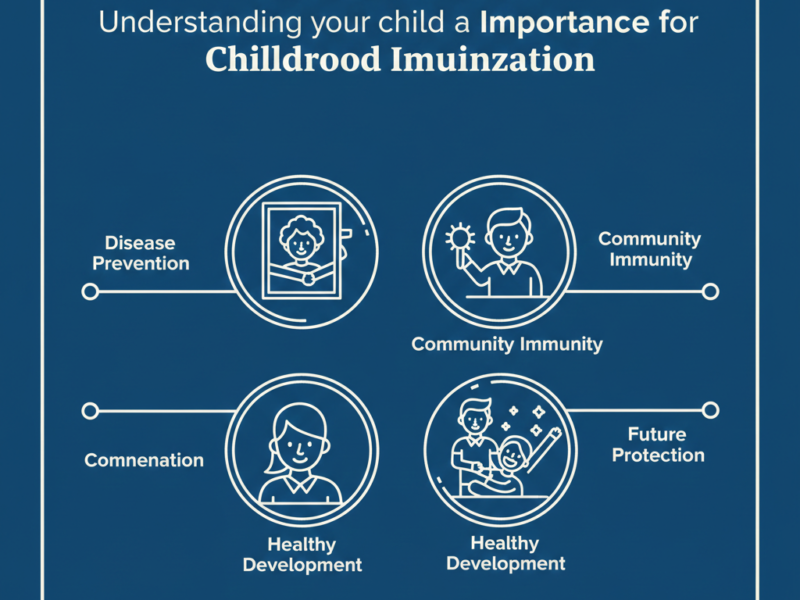
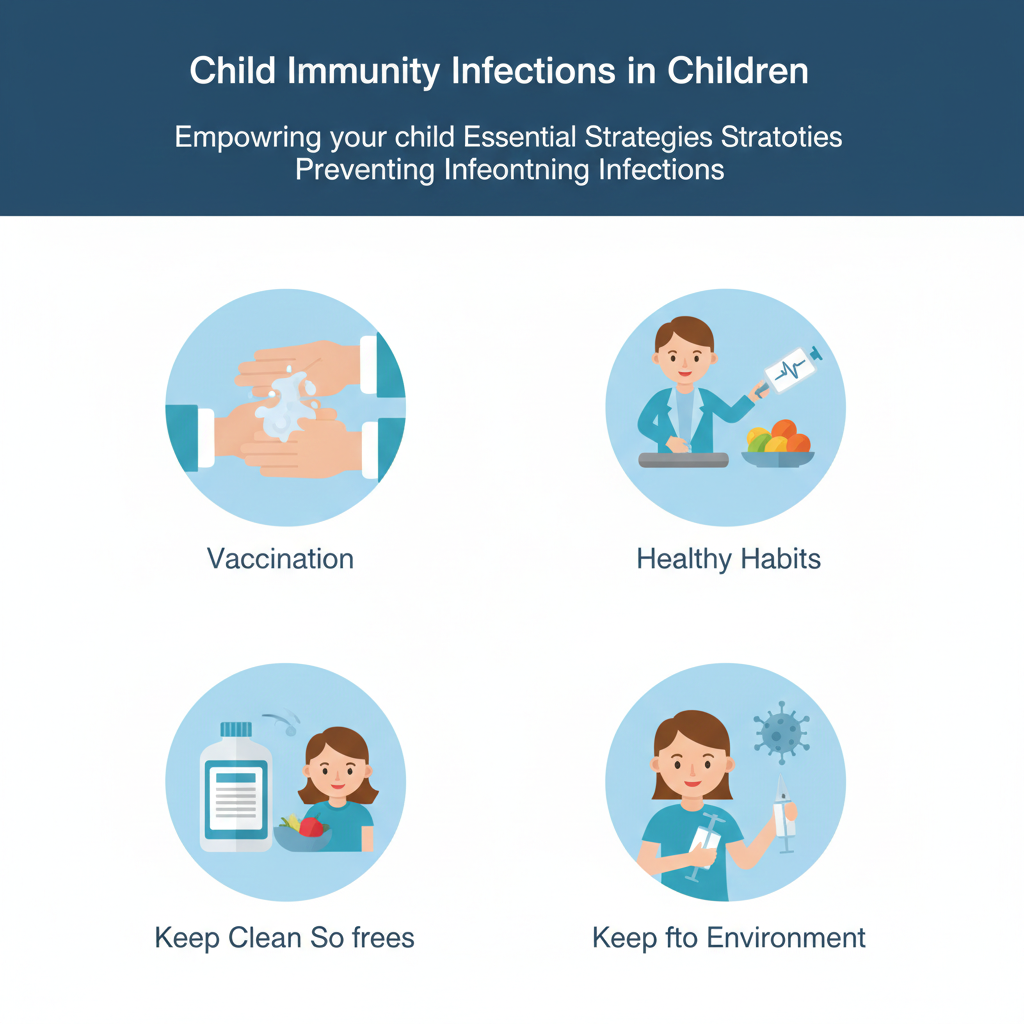
Immunization is unequivocally the most effective clinical intervention in history for preventing severe pediatric infections. Vaccines work by training the child’s immune system to recognize and fight specific pathogens without the child having to suffer through the actual disease. Mediquickinfo clinical data highlights that following the recommended immunization schedule protects children from life-threatening conditions such as Polio, Measles, Meningitis, and Pertussis (Whooping Cough).
Beyond individual protection, widespread vaccination creates “Herd Immunity,” which is vital for protecting vulnerable children who cannot be vaccinated due to medical reasons, such as those undergoing chemotherapy. At Mediquickinfo, we advocate for immunization literacy among parents, emphasizing that the risks of natural infection—including permanent organ damage or secondary neurological complications—far outweigh the minimal and transient side effects of modern vaccines. Keeping a meticulous record of your child’s vaccinations is a fundamental clinical responsibility of every caregiver.
2. Hand Hygiene: The Primary Barrier Against Pathogens
The majority of childhood infections, including the common cold, influenza, and various gastrointestinal viruses (like Norovirus), are transmitted via the hands. At Mediquickinfo, we stress that “Hand Hygiene” is a clinical necessity. Children frequently touch their eyes, nose, and mouth—the primary entry points for pathogens. Teaching children the correct handwashing technique—using soap and water for at least 20 seconds—is more effective at preventing illness than any over-the-counter supplement.
Critical times for handwashing include before meals, after using the restroom, after playing outdoors, and after sneezing or coughing. In clinical settings, the use of alcohol-based hand sanitizers (at least 60% alcohol) is recommended when soap and water are unavailable. However, sanitizers are less effective against certain pathogens, such as C. difficile or parasites, which is why mechanical handwashing remains the gold standard in pediatric infection control protocols.
3. Respiratory Etiquette and Environmental Hygiene
Respiratory infections are the leading cause of pediatric absenteeism. Pathogens are expelled into the air via droplets whenever an infected child coughs or sneezes. Mediquickinfo advocates for “Respiratory Etiquette”—teaching children to cough into their elbow rather than their hands. This simple behavioral change significantly reduces the “bio-burden” on shared surfaces like doorknobs, toys, and desks.
Environmental hygiene in the home and school is equally vital. Frequent disinfection of “high-touch” surfaces can break the chain of transmission for resilient viruses like the Rotavirus, which can survive on surfaces for days. Additionally, ensuring proper ventilation in indoor spaces reduces the concentration of airborne pathogens. At Mediquickinfo, we recommend that children who are symptomatic with a fever or persistent cough should be kept home to prevent “community spread,” which is a key principle of epidemiological safety.
4. Nutritional Support and Immune Resilience
A child’s ability to fight off infections is directly linked to their nutritional status. Deficiencies in micronutrients like Vitamin A, Vitamin D, Zinc, and Iron can lead to a “Secondary Immunodeficiency,” making the child more prone to prolonged and severe infections. Mediquickinfo clinical reviews suggest that a diet rich in diverse fruits, vegetables, and lean proteins provides the necessary building blocks for the production of white blood cells and antibodies.
Vitamin D, in particular, plays a crucial role in modulating the innate and adaptive immune responses. In regions with limited sunlight or for children with restricted diets, clinical supplementation under medical supervision may be necessary. Furthermore, maintaining a healthy gut microbiome through the consumption of fiber-rich foods supports the “Gut-Associated Lymphoid Tissue” (GALT), which constitutes about 70% of the body’s entire immune system.
Conclusion: Building a Shield of Prevention
Preventing infections in children requires a multi-layered approach that combines clinical interventions with daily behavioral habits. By adhering to immunization schedules, enforcing rigorous hand hygiene, and supporting immune resilience through nutrition, you can significantly reduce your child’s infectious burden. Your vigilance is the most effective defense against the microscopic threats of the modern world. Trust Mediquickinfo to provide the evidence-based literacy you need to safeguard your child’s vitality. A healthy childhood is the foundation of a resilient future—protect it today with knowledge and proactive care.