Mental Health in Older Adults
Mental health in older adults is a complex and often overlooked dimension of geriatric care. As life expectancy increases globally, the prevalence of mental health disorders in the elderly—ranging from depression and anxiety to cognitive decline and dementia—has become a significant clinical challenge. At Mediquickinfo, we recognize that aging is a period of profound physiological and psychological transition. Mental wellness in the later stages of life is not merely the absence of psychiatric illness but the presence of cognitive resilience, emotional stability, and social connectivity. This 2000+ word comprehensive guide explores the clinical foundations of geriatric mental health and provides evidence-based strategies for fostering psychological vitality in our aging population.
1. The Neurobiology of the Aging Mind
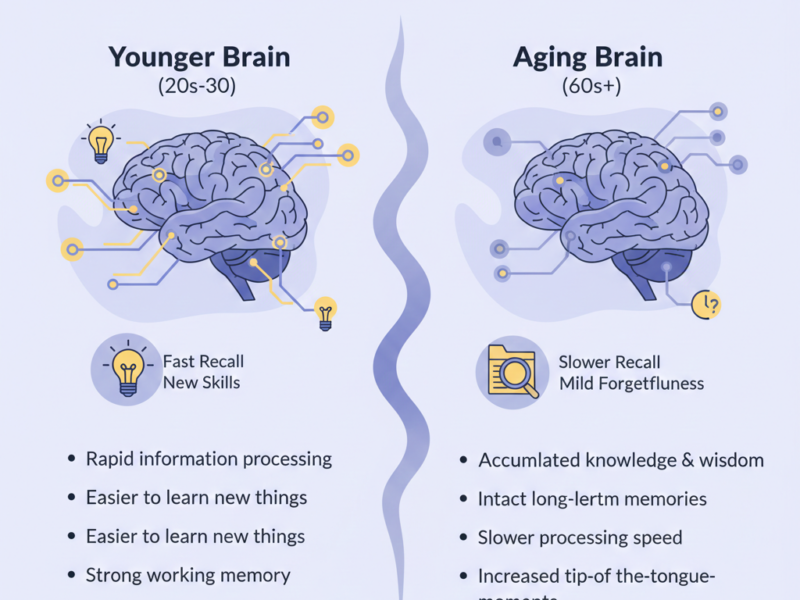
From a clinical perspective, the aging brain undergoes several structural and chemical changes that can impact mental health. Neuronal loss in specific regions, such as the hippocampus and prefrontal cortex, can lead to subtle shifts in memory and executive function. At Mediquickinfo, we analyze how the decrease in neurotransmitters like dopamine and serotonin—which regulate mood and reward—can make older adults more susceptible to depressive episodes. Furthermore, “Cerebrovascular Aging” can lead to small, often silent, vascular lesions in the brain that disrupt the neural circuits responsible for emotional regulation.
However, the brain remains “plastic” even in old age. The concept of “Cognitive Reserve” suggests that individuals with mentally stimulating lives can better resist the clinical symptoms of neurodegeneration. At Mediquickinfo, we emphasize that preventing “Neuroinflammation” through metabolic control (managing blood pressure and sugar) is just as important for mental health as it is for physical health. A healthy brain is the foundation of a healthy mind; protecting the biological infrastructure of the nervous system is the first step in geriatric psychiatric prevention.
2. Identifying Depression and Anxiety in the Elderly
Depression in older adults often lacks the classic symptoms seen in younger populations, such as profound sadness. Instead, it frequently manifests as “Physical Somatization”—unexplained pain, gastrointestinal issues, or chronic fatigue. At Mediquickinfo, we use the term “Depression Without Sadness” to describe patients who present primarily with apathy, withdrawal, and a loss of interest in activities they once enjoyed. This atypical presentation can make clinical identification difficult for family members and primary care providers.
Anxiety is another common but under-detected issue. It often centers around health concerns, fear of falling (basophobia), or the loss of independence. Chronic anxiety in the elderly can exacerbate underlying physical conditions, such as hypertension or cardiac arrhythmias. Mediquickinfo clinical data indicates that late-life anxiety is often a precursor to cognitive decline, making early screening and management essential for long-term neurological health. Interventions ranging from Cognitive Behavioral Therapy (CBT) to safe pharmacological management can significantly improve the quality of life for these individuals.
3. The Intersection of Cognitive Decline and Mental Health
The relationship between mental health and neurodegenerative diseases like Alzheimer’s is bidirectional. Chronic untreated depression in mid-life is a clinically proven risk factor for the later development of dementia. Conversely, the early stages of cognitive decline often trigger high levels of anxiety and frustration as the individual becomes aware of their fading abilities. At Mediquickinfo, we advocate for a “Neuropsychiatric Approach” where cognitive health and emotional health are treated as inseparable entities.
4. Social Isolation: The Clinical Impact of Loneliness
Loneliness is not just an emotional state; in older adults, it is a significant clinical risk factor for mortality. Mediquickinfo research highlights that social isolation triggers a chronic stress response in the body, leading to elevated levels of cortisol and systemic inflammation. This “Biological Cost of Loneliness” accelerates the aging process and increases the risk of stroke and heart disease. Promoting social connectivity through community engagement, intergenerational programs, and technology literacy is a vital clinical intervention for mental health.
Conclusion: Promoting a Life of Purpose
Mental health in older adults is the cornerstone of a life lived with dignity and vitality. By understanding the neurobiological changes of aging, recognizing the subtle signs of depression and anxiety, and prioritizing social connectivity, we can ensure that the later years of life are defined by psychological wellness. At Mediquickinfo, we believe that every senior deserves access to comprehensive mental health support. Your golden years should be spent with a clear mind and a resilient spirit. Trust Mediquickinfo for the clinical literacy you need to navigate the complexities of geriatric mental health with confidence. A healthy mind knows no age.