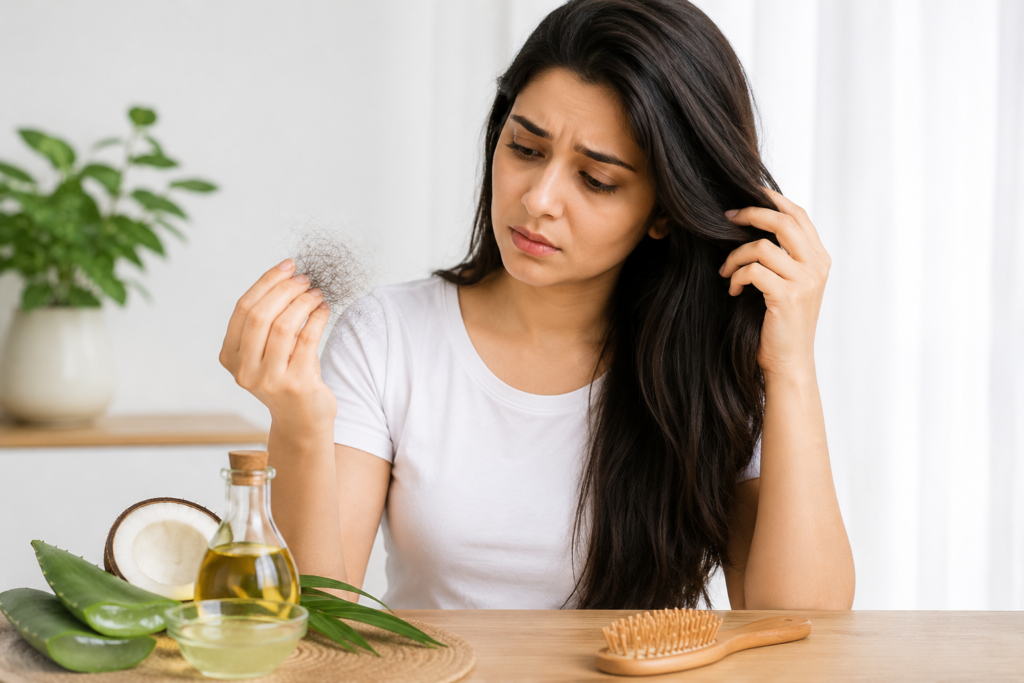
Home Remedies for Dandruff and Itchy Scalp in Winter
As the winter breeze sets in, it brings along festive cheer, cozy sweaters, and hot beverages. However, winter also brings a less welcome guest: a dry, flaky, and intensely itchy scalp. Many people notice that their dandruff flares up drastically during the colder months. This seasonal aggravation happens because the cold outdoor air, combined with dry indoor heating, strips the scalp of its natural protective moisture barrier.
When the scalp becomes excessively dry, the skin cracks and flakes off. To make matters worse, a completely natural yeast-like fungus called Malassezia feeds on the excess sebum production triggered by this dryness, leading to severe inflammation, irritation, and stubborn dandruff flakes. Thankfully, you do not need to rely on harsh chemical shampoos that strip your hair further; powerful natural ingredients in your kitchen can restore hydration and balance completely.
The Winter Balance: Treating winter dandruff requires a dual approach. You must combat the underlying fungal overgrowth while simultaneously infusing intense, deep moisture into the skin barrier to stop the cycle of itching.
Top Powerful Home Remedies for Winter Dandruff
To eliminate white flakes, soothe persistent itching, and restore cellular health to your scalp this winter, try these proven natural treatments:
1. Apple Cider Vinegar (The Ultimate pH Restorer)
Apple cider vinegar (ACV) is incredibly effective for combating winter flakes. The acidity of the vinegar safely changes the pH level of your scalp, creating an environment where dandruff-causing fungus cannot survive. It also acts as a natural clarifier, removing dead skin cells and product buildup that clog your roots.
How to apply: Mix equal parts of raw, unfiltered ACV and clean water in a bowl. After washing your hair, pour this solution evenly over your scalp. Massage it gently for 2 minutes and let it sit for 5 minutes before rinsing thoroughly with cool water. Use this once or twice a week.
2. Tea Tree Oil and Coconut Oil (The Anti-Fungal Moisture Shield)
Tea tree oil possesses outstanding anti-microbial and anti-fungal properties, making it a heavy hitter against dandruff. Virgin coconut oil complements it perfectly by acting as a deeply penetrative emollient, locking in moisture and repairing the dry, cracked skin layer on your scalp.
How to apply: Warm two tablespoons of pure coconut oil and add 4-5 drops of pure tea tree essential oil to it. Mix well and massage the warm oil blend directly into your scalp using your fingertips. Leave it on for 30 to 45 minutes before washing it out with a mild, sulfate-free shampoo.
3. Fresh Aloe Vera Gel (The Anti-Inflammatory Cooler)
If your primary winter symptom is a burning, red, or intensely itchy scalp, aloe vera is your best remedy. It contains rich cooling properties, enzymes that break down dead skin cells, and natural anti-inflammatory compounds that calm raw skin instantly while adding weightless hydration.
How to apply: Extract fresh gel directly from an aloe vera leaf and blend it smoothly. Apply it directly over your entire scalp, concentrating on the itchy patches. Leave it on for 30 minutes, then rinse it out with lukewarm water. It is gentle enough to use three times a week.
4. Yogurt and Honey Mask (The Deep Hydration Treatment)
Yogurt is rich in lactic acid, which serves as a gentle, natural exfoliant to clear flakes without drying the skin. Raw honey is a powerful natural humectant, meaning it actively draws moisture from the air into your scalp, while providing natural anti-bacterial protection.
How to apply: Mix half a cup of plain unsweetened yogurt with two tablespoons of raw honey. Apply this creamy mask from your roots to the tips of your hair. Cover your head with a shower cap to trap the heat and leave it on for 30 minutes before washing with a gentle shampoo.
5. Lemon Juice and Olive Oil Balance
The citric acid present in fresh lemon juice actively breaks down stubborn dandruff clusters and regulates excessive oil production, while the rich Vitamin E and monounsaturated fatty acids in olive oil ensure the scalp doesn’t dry out from the acid treatment.
How to apply: Combine two tablespoons of fresh lemon juice with two tablespoons of warm olive oil. Massage the solution into your scalp, leave it on for 20 minutes, and rinse well. Be careful not to use too much lemon juice, as it can be highly drying if unbuffered.
Daily Winter Habits to Prevent Scalp Dryness
Home remedies work best when you eliminate the daily environmental triggers that cause scalp dehydration. Implement these simple structural changes:
- Avoid Scorching Hot Showers: Steaming hot water feels amazing during winter, but it strips away the protective lipid layer of your scalp instantly. Always wash your hair with lukewarm or cool water instead.
- Minimize Hair Dryer Usage: The direct blast of hot air from a blow dryer evaporates deep hydration from your roots, compounding winter flakiness. Allow your hair to air-dry naturally whenever possible.
- Stay Hydrated Internally: People tend to drink less water during winter, causing systemic dehydration that shows up on the skin and scalp. Keep drinking 8-10 glasses of water daily to maintain skin suppleness.
Dietary Shifts to Counteract Flakes From Within
Your diet directly influences the sebum composition on your scalp. To fight dandruff from the inside out, optimize these nutritional metrics:
- Limit Sugar and Refined Carbs: Diets high in processed sugars can trigger insulin spikes and cause inflammation across your skin layers, accelerating the flaking process.
- Boost Omega-3 Fatty Acids: Omega-3s help regulate oil production and improve overall hydration. Eat more fatty fish, walnuts, and chia seeds to shield your skin barrier.
- Incorporate Zinc and B-Vitamins: Zinc and B-complex vitamins are critical building blocks for skin cellular repair. Add eggs, legumes, and whole grains to your weekly winter menu.
Medical Disclaimer
Please Note: This information is for educational purposes only and does not substitute for professional medical advice or clinical diagnosis. Severe, persistent scaling accompanied by bleeding, thick silvery crusts, or intense hair loss can be a symptom of medical conditions like scalp psoriasis, seborrheic dermatitis, or ringworm infections that require specialized prescription topical treatments. Never ignore persistent clinical signs or delay professional medical care because of information found online. Always consult your dermatologist before changing your routine.