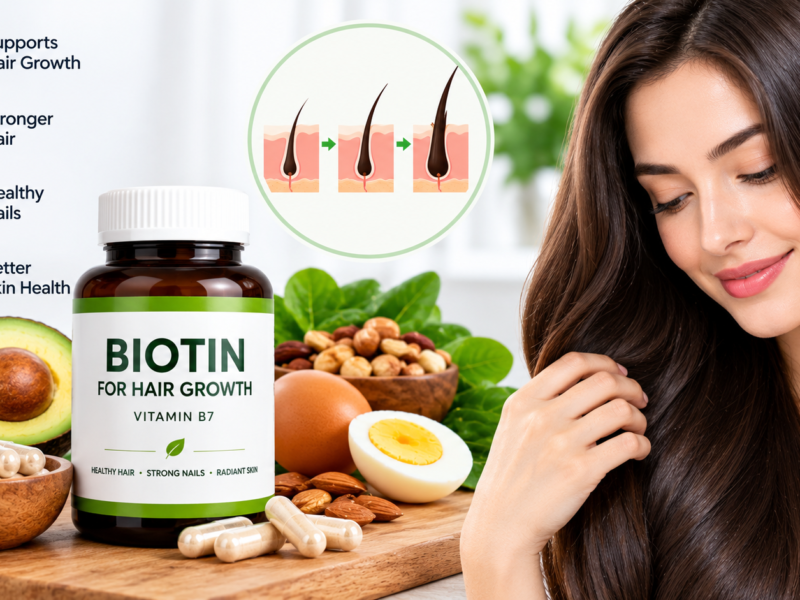
Experiencing hair shedding can be concerning, but understanding the underlying biology makes it far easier to manage. Losing 50 to 100 strands of hair daily is completely normal as part of the natural hair growth cycle (anagen, catagen, and telogen phases). While no natural home remedy can “permanently” stop all hair fall—since hair shedding is an ongoing biological process—addressing root causes such as nutritional deficiencies, scalp inflammation, and stress can significantly minimize excessive shedding, strengthen roots, and stimulate healthy regrowing hair naturally at home.
1. Effective Natural Home Remedies
Applying nutrient-dense natural ingredients directly to the scalp nourishes hair follicles, improves localized blood circulation, and reduces microbial buildup.
1. Rosemary Oil and Carrier Oil Blend
Rosemary essential oil has been clinically proven to stimulate hair growth by expanding blood vessels in the scalp, improving nutrient delivery to follicles. It acts as a powerful natural alternative for improving hair density.
How to Use
- Mix 4 to 5 drops of pure rosemary essential oil with 1 tablespoon of a carrier oil (such as coconut, jojoba, or argan oil).
- Gently massage into the scalp for 5 to 10 minutes. Leave it on for at least 30 minutes before washing with a mild shampoo. Repeat 2 to 3 times weekly.
2. Onion Juice Application
Onion juice is exceptionally rich in dietary sulfur, a primary component required for keratin production. Sulfur aids in rebuilding hair follicle protein structures and reduces localized inflammation.
How to Use
- Blend one fresh onion and strain the liquid using a cheesecloth.
- Apply the fresh juice to your scalp using a cotton ball, let it sit for 15 to 20 minutes, and rinse thoroughly with lukewarm water and a gentle cleanser.
3. Aloe Vera Gel
Raw aloe vera contains proteolytic enzymes that repair dead skin cells on the scalp, calm itchiness, and balance scalp pH to prevent follicle clogging.
2. Internal Nutrition for Stronger Hair Roots
Topical treatments alone cannot stop hair loss if your body lacks fundamental building blocks. Hair cells are among the fastest-growing cells in the human body, requiring consistent internal nourishment.
1. Optimize Protein Intake
Hair shaft fibers are composed almost entirely of a protein called keratin. Ensure your daily diet includes adequate high-quality protein sources such as eggs, lean meats, fish, lentils, beans, Greek yogurt, or tofu.
2. Correct Micronutrient Deficiencies
Deficiencies in key vitamins and minerals directly trigger telogen effluvium (rapid hair shedding). Focus on obtaining these essential nutrients through whole foods:
- Iron and Ferritin: Found in spinach, red meat, lentils, and pumpkin seeds. Iron enables red blood cells to carry oxygen to hair follicles.
- Zinc: Found in nuts, seeds, chickpeas, and whole grains. Zinc supports hair tissue repair and keeps oil glands around follicles working properly.
- Biotin and B-Complex Vitamins: Essential for amino acid metabolism involved in hair growth.
3. Scalp Care and Daily Habits
- Perform Daily Scalp Massages: Massaging your scalp with gentle fingertips for 4 to 5 minutes daily increases blood microcirculation to the hair papilla.
- Avoid Tight Hairstyles: High ponytails, tight braids, or buns pull on the hair root continuously, leading to traction alopecia over time.
- Minimize Heat and Chemical Treatments: Reduce reliance on high-temperature blow dryers, flat irons, and harsh chemical dyes that weaken the hair shaft structure.
- Manage Stress Levels: High stress elevates cortisol, pushing hair follicles prematurely into the resting phase. Practice regular exercise, meditation, or deep breathing routines.
Medical Disclaimer: The information provided in this article is for educational and informational purposes only and should not be used as medical advice. If you experience sudden, patchy, or severe hair loss, consult a board-certified dermatologist or healthcare provider to rule out underlying thyroid issues, autoimmune conditions (such as alopecia areata), or hormonal imbalances.