Home Remedies for Period Pain Relief Without Pills
Menstrual cramps, clinically known as dysmenorrhea, are a challenging reality for millions of women worldwide every month. The throbbing or aching pain in the lower abdomen can range from a mild annoyance to a completely debilitating experience that disrupts work, school, and daily life. While popping a quick over-the-counter painkiller is the most common response, relying heavily on chemical pills can over time irritate the stomach lining and strain the liver.
The good news is that period pain can be safely and effectively managed using natural, time-tested home remedies. During menstruation, the uterus contracts to shed its lining, a process triggered by hormone-like compounds called prostaglandins. Higher levels of prostaglandins cause more severe, painful contractions. By focusing on muscle relaxation, targeted warmth, and natural anti-inflammatory agents, you can lower these compounds and calm uterine spasms completely naturally.
The Biological Switch: Natural pain relief works by increasing localized blood circulation and blocking the inflammatory pathways in the pelvic muscles, providing a soothing effect similar to low-dose heating pads without side effects.
Effective Natural Methods for Instant Cramp Relief
If you are looking to find comfort and reduce the severity of menstrual pain without reaching for pharmaceutical drugs, implement these highly recommended natural strategies:
1. Targeted Heat Therapy (The Uterine Muscle Relaxant)
Applying heat to the lower abdomen is one of the oldest and most clinically validated ways to alleviate period cramps. Warmth works by relaxing the contracting smooth muscles of the uterus, increasing blood flow to the pelvic region, and lowering tissue congestion which causes the throbbing sensation.
How to apply: Use a hot water bottle, an electric heating pad, or take a warm bath filled with Epsom salts. Keep the heat source over your lower belly or lower back for 15 to 20 minutes at a time. Studies show that continuous heat therapy can be as effective as standard over-the-counter painkillers.
2. Sip Warm Ginger and Turmeric Tea
Ginger is a powerhouse root packed with anti-inflammatory and pain-relieving properties. It acts as a natural cyclooxygenase inhibitor, meaning it safely lowers the production of the pain-inducing prostaglandins. Turmeric contains curcumin, which dramatically targets systemic inflammation and muscle spasms.
How to consume: Slice one inch of fresh ginger root and boil it in water for 10 minutes. Stir in half a teaspoon of organic turmeric powder and a pinch of black pepper (to maximize curcumin absorption). Strain the tea, add a drop of raw honey, and drink it warm 2-3 times a day when your cycle begins.
3. Essential Oil Self-Massage
Massaging the abdomen with specific therapeutic essential oils can significantly reduce the intensity of menstrual cramps. Lavender oil calms the nervous system, clary sage helps balance hormonal fluctuations, and peppermint oil contains menthol, which provides a cooling, antispasmodic effect on tight muscles.
How to apply: Mix 3-4 drops of your chosen essential oil (such as lavender or clary sage) into a tablespoon of a carrier oil like sweet almond or coconut oil. Gently massage the blend onto your lower abdomen using slow, circular motions for 5 to 10 minutes to stimulate blood flow.
4. Chamomile Tea (The Glycine Booster)
Chamomile tea is filled with natural substances that act as mild muscle relaxants. Drinking chamomile tea increases urinary levels of glycine, an amino acid that helps relieve muscle spasms. Glycine acts as a nervous system sedative, calming the uterine wall and reducing menstrual anxiety.
How to consume: Steep two organic chamomile tea bags in a cup of boiling water for 5 to 8 minutes. Drink this comforting infusion leading up to your period and during the first few days of bleeding, especially before bedtime to promote peaceful sleep.
5. Gentle Stretching and Restorative Yoga
While the last thing you might want to do when in pain is move, light physical activity releases endorphins—your body’s natural internal painkillers. Gentle yoga poses specifically target the pelvic floor, stretch the lower back, and open up the hips, taking mechanical pressure off the uterus.
How to apply: Practice gentle, low-impact poses such as the Child’s Pose (Balasana), Cat-Cow stretch, or Bound Angle Pose (Supta Baddha Konasana). Avoid high-intensity workouts or inversions during heavy flow days, focusing purely on deep, rhythmic breathing.
Dietary Strategies to Lower Menstrual Inflammation
What you eat in the days leading up to your cycle can dictate how much pain you experience. Optimize your nutrition with these simple guidelines:
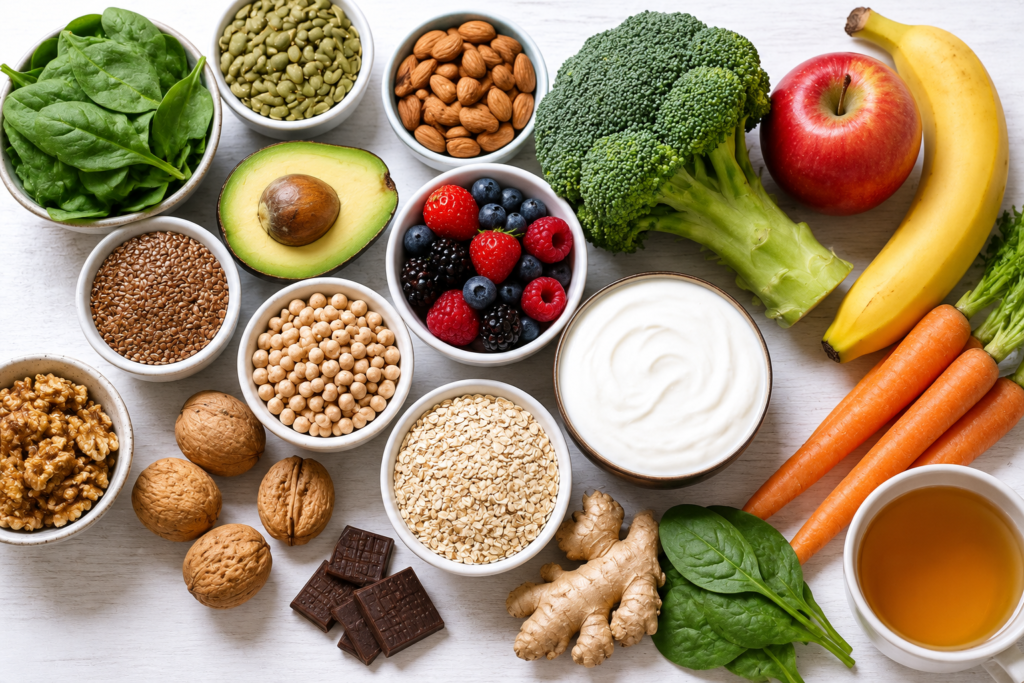
- Load Up on Magnesium-Rich Foods: Magnesium helps regulate nerve and muscle function, preventing severe uterine cramping. Incorporate dark leafy spinach, pumpkin seeds, almonds, and dark chocolate (70% or higher) into your daily snacks.
- Increase Omega-3 Fatty Acids: Omega-3s are highly anti-inflammatory. Eat fatty fish like salmon, or add walnuts, chia seeds, and flaxseeds to your meals to help suppress the cellular triggers of menstrual pain.
- Stay Hydrated with Warm Fluids: Being dehydrated causes your body to retain water, which exacerbates painful bloating. Drinking plenty of warm water or herbal teas helps flush the system and relaxes abdominal cramping.
Habits to Avoid During Your Period
To avoid triggering sharper spikes in prostaglandin levels, minimize or eliminate these inflammatory habits during your monthly cycle:
- Reduce Caffeine Intake: Caffeine constricts blood vessels throughout the body, including those supplying the uterus. This vasoconstriction can reduce localized blood flow, making cramps feel significantly sharper and more intense.
- Avoid High-Sodium Packaged Foods: Salty snacks, processed chips, and canned meals lead to severe water retention and systemic bloating, which exerts extra physical pressure on your already sensitive pelvic organs.
- Limit Refined Sugars and Trans Fats: Processed sweets, baked goods, and fried foods promote inflammation across the body, which can amplify pain signals and worsen mood swings.
Medical Disclaimer
Please Note: This information is for educational purposes only and does not substitute for professional medical advice, clinical diagnosis, or gynecological treatment. Severe, unyielding period pain that is not relieved by natural remedies or standard methods could be a symptom of underlying reproductive health conditions such as endometriosis, uterine fibroids, or Pelvic Inflammatory Disease (PID). Never ignore chronic, debilitating clinical signs or delay seeking professional care. Always consult your gynecologist or healthcare provider regarding menstrual health concerns.