Best Foods to Regulate Irregular Periods Naturally
An irregular menstrual cycle can be a challenging and stressful experience for many women. While a normal menstrual cycle typically ranges between 21 and 35 days, subtle shifts in hormones, lifestyle changes, extreme stress, and underlying metabolic conditions can cause periods to become delayed, missed, or highly unpredictable. While medical treatments exist, one of the most sustainable and powerful ways to restore dynamic hormonal balance is through proper internal nutrition.
The human endocrine system relies heavily on specific micro-nutrients, healthy fatty acids, and natural anti-inflammatory compounds to manufacture and regulate reproductive hormones like estrogen and progesterone. By consciously integrating healing, nutrient-dense foods into your daily diet, you can support your ovaries, reduce systemic inflammation, and regulate your periods completely naturally from home.
The Golden Rule: Consistency is key. Nutritional adjustments do not act overnight like chemical pills, but they address the root cause of hormonal imbalances over a period of 2 to 3 menstrual cycles for permanent wellness.
Top Healing Foods for Hormonal Balance
To stimulate blood flow to the pelvic region and encourage timely ovulation, add these scientifically backed foods to your regular meal plans:
1. Fresh Ginger (The Inflammation Tamer)
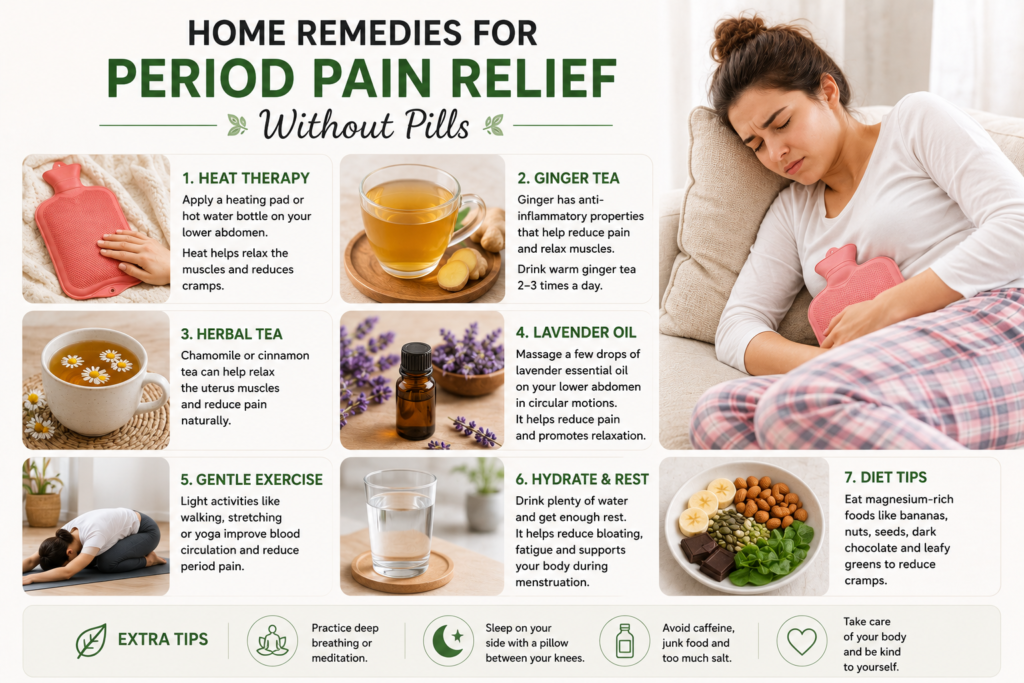
Ginger is highly revered in traditional medicine for its outstanding ability to regulate menstrual flows. It contains active therapeutic compounds called gingerols, which lower the production of inflammatory prostaglandins. Regular consumption helps induce delayed periods and significantly reduces painful menstrual cramps.
How to consume: Grate an inch of fresh ginger root into boiling water to prepare a warm herbal tea. Add half a teaspoon of raw honey and drink it every morning on an empty stomach, particularly during the two weeks leading up to your expected date.
2. Turmeric (The Natural Emmenagogue)
Turmeric is a potent emmenagogue, meaning it possesses the unique natural ability to stimulate blood flow in the pelvic region and uterus. Its active bio-compound, curcumin, balances estrogen and progesterone levels while mitigating pelvic congestion and improving insulin response.
How to consume: Mix half a teaspoon of pure organic turmeric powder into a glass of warm milk (or almond milk) with a tiny pinch of black pepper to maximize curcumin absorption. Drink this every night before sleeping.
3. Unripe Green Papaya (Uterine Muscle Toner)
Unripe green papaya is universally considered one of the most effective traditional foods for regulating missed periods. It contains rich amounts of papain, an enzyme that directly causes contractions in the smooth muscle fibers of the uterus, helping to initiate a timely menstrual flow.
How to consume: Fresh green papaya can be sliced and consumed regularly as a mid-day snack or mixed into crisp fresh salads. Avoid consuming this remedy if you suspect pregnancy.
4. Cinnamon (The Insulin Stabilizer)
Cinnamon plays an exceptional role in managing irregular periods, especially for women dealing with Polycystic Ovary Syndrome (PCOS). It significantly improves the body’s natural insulin sensitivity, stabilizes blood glucose levels, and regulates ovarian function for regular ovulation.
How to consume: Sprinkle freshly ground cinnamon powder over your morning oatmeal, blend it into smoothies, or steep a cinnamon stick in warm water to drink as a soothing herbal tea throughout the day.
5. Flaxseeds and Chia Seeds (Healthy Omega-3 Fats)
Healthy fats are the indispensable building blocks of hormone production. Flaxseeds are exceptionally rich in lignans, which naturally bind to excess estrogen in the body, helping to prevent estrogen dominance. Both flaxseeds and chia seeds offer dense payloads of Omega-3 fatty acids that reduce cellular inflammation.
How to consume: Consume 1-2 tablespoons of freshly ground flaxseeds daily. You can easily add them to your yogurt, whole-grain bowls, or breakfast shakes.
Essential Micronutrients to Keep in Mind
Beyond specific foods, ensuring your body has a steady supply of these primary trace elements will safeguard your reproductive wellness permanently:
- Vitamin D: A severe deficiency in Vitamin D is clinically linked to irregular ovulation. Make sure to get 15 minutes of early morning sunlight daily or consume foods like egg yolks and mushrooms.
- Magnesium: This miracle mineral calms the nervous system, drastically decreases cortisol (stress hormone) production, and ensures smooth communicating links between your brain and ovaries. Dark chocolate, leafy greens, and pumpkin seeds are exceptional sources.
- Iron: Chronic irregular or heavy bleeding can deplete your iron reserves, causing fatigue. Eat lean proteins, spinach, and beetroots to maintain optimal hemoglobin levels.
Important Lifestyle Practices for Ultimate Results
Dietary efforts work best when supported by positive daily habits. Ensure you adopt these simple protective strategies:
- Manage Stress Levels: Chronic emotional stress causes the brain to release cortisol, which can completely shut down the signaling pathway required for ovulation. Dedicate time to deep breathing, yoga, or slow walking.
- Maintain a Balanced Weight: Being severely underweight or rapidly gaining excess fat can distort estrogen manufacturing, leading to missed cycles. Focus on stable, health-first weight management.
- Avoid Overtraining: Engaging in excessive, high-intensity workouts without proper caloric replenishment signals the body that it is in a state of survival, causing hypothalamic amenorrhea (halted periods).
Medical Disclaimer
Please Note: This information is for educational purposes only and does not substitute for professional medical advice or clinical diagnosis. Irregular periods can often be a symptom of underlying conditions such as PCOS, thyroid disorders, or hormonal imbalances that require specific laboratory evaluations. Never ignore chronic clinical signs or delay seeking professional medical treatment because of something you read online. Always consult your gynecologist or healthcare provider before altering your dietary routine.