Eid-ul-Adha Care for Children and Seniors: Dietary Precautions and Health Tips for Vulnerable Family Members
Meta Description: Protect your children and senior family members this Eid-ul-Adha. Discover expert-approved dietary guidelines, portion control tips, and essential health precautions to prevent digestive issues and manage chronic illnesses during the festive season.
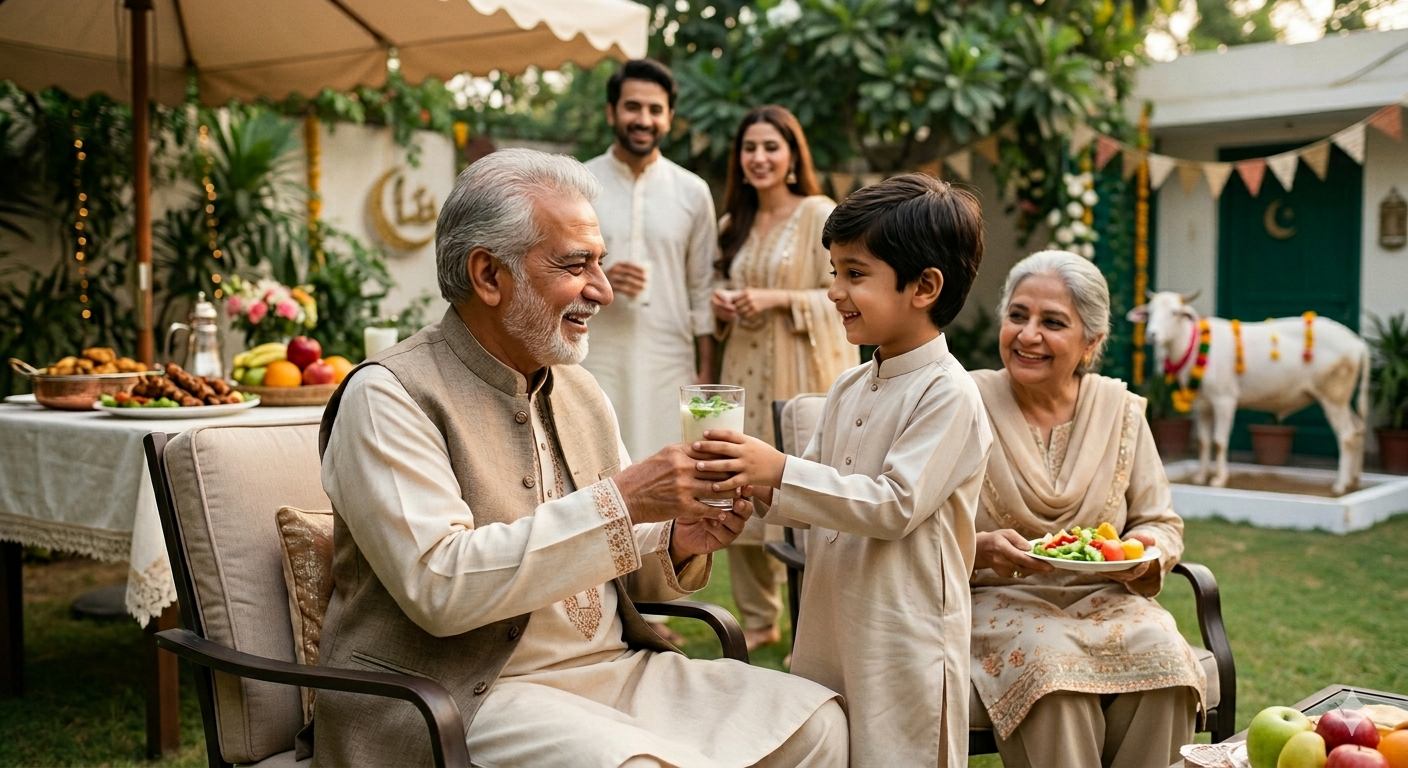
Eid-ul-Adha is a time of immense spiritual gratitude, family reunions, and grand culinary feasts. Dining tables across the globe are heavily adorned with rich meat-based traditional delicacies such as spicy curries, fried chops, skewered kebabs, and aromatic biryanis. While healthy adults can easily navigate these celebratory overindulgences, the most vulnerable segments of our families—young children and senior citizens—often pay a heavy physical price.
From a medical perspective, a sudden, drastic shift towards a high-protein, high-fat diet can severely strain an aging digestive tract or overwhelm a child’s developing metabolic framework. Instead of letting medical emergencies or unexpected hospital visits disrupt the holiday spirit, a few mindful modifications can ensure safety for everyone. This comprehensive health manual explores exact dietary guardrails, portion limits, and environmental safeguards needed to protect your loved ones.
Part 1: Guarding Senior Health Against Chronic Flare-Ups
Elders are the spiritual anchor of our households, but their physiological capacity to process complex saturated fats declines significantly with age. Furthermore, many seniors actively manage chronic metabolic disorders like cardiovascular disease, Type-2 diabetes, hypertension, and hyperuricemia (gout). Unchecked consumption of red meat during the Eid holidays can rapidly escalate into severe clinical crises.
1. Red Meat Risk Vectors & Portion Controls
Mammalian muscle tissue (beef, mutton, and camel) is rich in essential micronutrients like iron and zinc, but it simultaneously carries high concentrations of purines and saturated fats.
- The Cholesterol Threat: Saturated fatty acids deposit rapidly onto arterial walls, narrowing blood vessels. For cardiac patients, this sudden blood viscosity surge can trigger a sharp rise in blood pressure, or worse, myocardial infarction (heart attack).
- The Gout Trigger: When metabolic systems break down the dense purines found in red meat, the by-product is uric acid. Aging kidneys frequently struggle to filter this excess out of the bloodstream. Consequently, the acid crystallizes within joint cavities, causing agonizing pain, severe swelling, and acute gout flare-ups.
- The Golden Portion Rule: To balance tradition with safety, limit senior citizens to a maximum of 70 to 90 grams of lean meat per day. Restrict this intake strictly to a single meal, keeping the rest of their daytime meals incredibly light.
2. Adjusting Culinary Methods for Aging Digestion
The heavy oils and complex spice blends used in traditional festive cooking heavily irritate the gastrointestinal lining of older adults, leading to painful acid reflux, severe bloating, and general stomach distress. Try these adjustments:
- Ensure Tender Texture: Dental erosion and reduced salivary gland production make chewing tough meat difficult for seniors. Cook meat using slow-cook or pressure-cook techniques until the muscle fibers effortlessly pull apart into soft ribbons.
- Steer Clear of Deep-Frying: Avoid deep-fried meat options like fried brain, crispy chops, or shallow-fried patties. Transition instead towards steaming, light oven-baking, or gentle stove-stewing.
- Mind the Charcoal Char: If serving barbecue, ensure no part of the meat is charred or blackened. These carbonized crusts contain carcinogenic compounds that heavily irritate a sensitive stomach lining.
3. Maintaining Medical Schedules and Kidney Hydration
The hustle of managing guests often distracts families from daily medication cycles. Ensure that blood thinners, insulin doses, anti-hypertensives, and cholesterol-regulating pills are administered precisely at their scheduled times.
Furthermore, digesting a heavy protein payload pulls extensive water reserves out of the body, risking dehydration. Keep a dedicated water pitcher near your elderly family members, aiming for 8 to 10 glasses of pure water throughout the day. Serving warm mint or ginger-infused green tea roughly an hour after eating works miracles for their digestion.
Part 2: Shielding Children from Gastric Distress and Overeating
Children view Eid-ul-Adha through a lens of high energy and excitement. However, their immature metabolic tracts are uniquely fragile. When children alternate rapidly between spicy meat snacks and sugary holiday desserts, their digestive systems can quickly become overwhelmed.
1. Breaking the Cycle of Holiday Overeating
While traveling between different relatives’ houses, children are continuously offered a mix of meat pastries, fried appetizers, chocolates, and cakes. This rapid, chaotic combination of high fat and concentrated sugar destabilizes their gastric pH level.
- The Resulting Illnesses: This toxic food mix leads directly to acute gastroenteritis, stomach cramps, violent vomiting, and severe diarrhea. Pediatric emergency rooms see an immense influx of young patients during the three days of Eid for this exact reason.
- Parental Supervision Protocol: Parents must actively regulate their children’s plates. If a child eats a small portion of savory meat at one house, their next snack stop should be restricted to a simple piece of fresh fruit, a glass of water, or a light fiber-rich snack.
2. Banishing Carbonated Beverages
A pervasive, yet highly dangerous myth suggests that drinking carbonated sodas or “fizzy drinks” accelerates the digestion of heavy meat. This is scientifically false. The high acidity, chemical carbonation, and massive sugar content of sodas actually disrupt the stomach’s natural enzymes, trapping gas inside the intestines, worsening bloating, and causing acute indigestion.
Completely replace all sodas with gut-friendly alternatives. Freshly squeezed lemonade, mineral water, or a homemade salted yogurt drink (Lassi) provide refreshing options that actively ease digestion and keep the internal system beautifully cool.
3. Implementing the Late-Night Fasting Rule
Late-night family barbecue parties often stretch past midnight. Feeding children heavy beef burgers or rich mutton kebabs right before they sleep is a recipe for health issues. Gastrointestinal motility naturally slows down during sleep, meaning heavy proteins sit stagnant in the stomach for hours.
Enforce a strict rule: all children must finish eating substantial meals at least **two to three hours before bedtime**. If they feel hungry right before sleeping, offer them a half-glass of warm water or a small cup of plain yogurt to settle their stomach.
Part 3: Environmental Hygiene and Household Safety
The health risks of Eid-ul-Adha extend well beyond dietary choices. The physical environment surrounding meat processing and animal handling demands rigorous management to keep both your home and community safe.
1. Mitigating Bacterial Proliferation in Raw Meat
When fresh sacrificial meat is left exposed to summer heat or humid air for more than two hours, dangerous foodborne bacteria like Salmonella, E. coli, and Listeria multiply at an exponential rate. If this contaminated meat is served to seniors or children, it can result in severe food poisoning.
To prevent this, wash the meat thoroughly with clean water immediately after slaughter, portion it cleanly into transparent bags, and transfer it to the freezer right away. Ensure all dishes are cooked to a proper internal temperature to neutralize any lingering pathogens.
2. Community Cleanliness and Respiratory Safeguards
Leaving animal waste, blood, or organic remains out in the open creates a harsh odor and a breeding ground for pests. The resulting airborne contaminants can cause immediate breathing difficulties for elderly individuals who suffer from chronic asthma or environmental allergies.
Make sure all waste is buried safely or placed in designated community disposal sites. Wash down sacrifice areas with water mixed with disinfectant bleach to prevent flies and mosquitoes from spreading illnesses like typhoid or dengue fever to playing children.
Conclusion: True Celebration Lies in Compassionate Care
Eid-ul-Adha is fundamentally built on the principles of sacrifice, empathy, and family unity. The truest expression of love we can offer our elders and children during this beautiful season is the vigilant protection of their physical well-being.
By serving well-balanced meals, choosing healthier cooking methods, and emphasizing hydration and cleanliness, you can enjoy a safe, happy holiday free from avoidable medical complications. Have a deeply blessed, healthy, and safe Eid-ul-Adha filled with joy and wellness!