Diet Plan for PCOS Weight Loss and Fertility: A Science-Backed Practical Guide
Polycystic Ovary Syndrome (PCOS) is a complex metabolic and endocrine disorder that affects millions of women worldwide. Characterized by irregular menstrual cycles, hormonal imbalances, and small cysts on the ovaries, it stands as one of the leading causes of female infertility. For those navigating PCOS, two struggles frequently take center stage: stubborn weight gain and the difficult journey toward conception.
The biological root of these challenges almost always links back to chronic inflammation and insulin resistance—a condition where your body’s cells ignore insulin signal, forcing your pancreas to pump out excessive amounts of the hormone. High insulin levels tell your ovaries to produce more androgen (male hormones like testosterone), which halts normal ovulation and promotes fat storage around the abdomen. However, strategically altering what you eat can fundamentally reverse this environment. A targeted nutrition strategy balances your hormones, jumpstarts weight loss, and optimizes egg quality to restore natural fertility.
The Three Core Principles of a PCOS Fertility Diet
Before designing a daily meal plan, it is vital to understand the foundational nutritional mechanics required to manage PCOS. A truly effective diet plan focuses on three interconnected goals:
- Managing Glycemic Load: Choosing low-glycemic foods prevents dramatic spikes in blood sugar, thereby lowering baseline insulin production.
- Extinguishing Chronic Inflammation: Incorporating antioxidant-rich foods reduces cellular stress, which allows the ovaries to function normally without hormonal interference.
- Optimizing Gut Health: A balanced microbiome improves estrogen metabolism and reduces overall systemic toxic loads, directly supporting regular ovulation.
Essential Foods to Include in Your PCOS Meal Plan
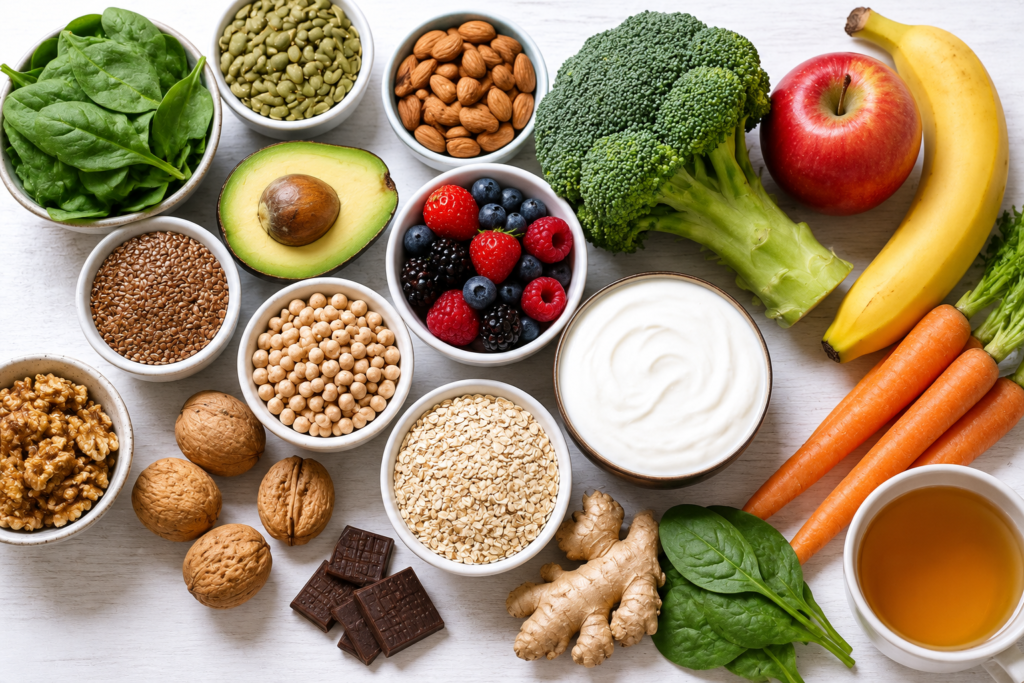
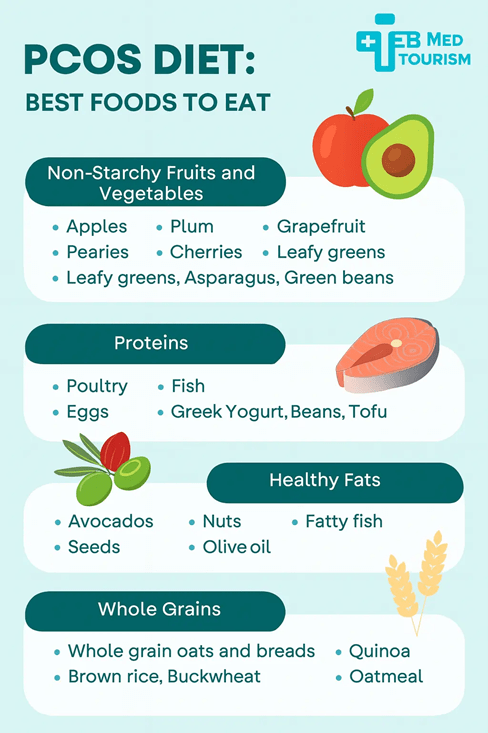
To fundamentally alter your hormone production, your daily meals must favor nutrient-dense whole foods. The following food categories serve as your primary tools for healing:
1. High-Fiber, Non-Starchy Vegetables
Fiber alters digestion by slowing down the absorption of glucose into your bloodstream. This protects your pancreas from experiencing dangerous insulin surges. Prioritize leafy green vegetables such as spinach, kale, and microgreens, alongside cruciferous varieties like broccoli, cauliflower, and Brussels sprouts. These foods are packed with iron, folate, and calcium, which are vital nutrients for building a healthy uterine lining.
2. Lean and Clean Proteins
Protein is critical for stabilizing hunger hormones like ghrelin and peptide YY, which prevents the intense sugar cravings driven by PCOS. Focus on wild-caught fatty fish (such as salmon or sardines), organic skinless poultry, whole eggs, and plant-based options like lentils and chickpeas. Fatty fish also supplies rich amounts of Omega-3 fatty acids, which lower circulating androgen levels and improve uterine blood flow.
3. Healthy Fat Sources
Every single hormone in your body requires dietary fats to construct its cellular structure. Swapping trans fats for healthy monounsaturated and polyunsaturated fats reduces insulin resistance significantly. Incorporate avocados, cold-pressed extra virgin olive oil, walnuts, almonds, chia seeds, and flaxseeds into your meals daily. Flaxseeds are especially beneficial because they contain lignans, which naturally bind to excess testosterone and help flush it out safely.
4. Complex, Low-GI Whole Grains
You do not need to cut out carbohydrates completely to lose weight with PCOS; you just need to switch to smart carbs. Swap white rice, white bread, and traditional pasta for small portions of quinoa, wild brown rice, buckwheat, and steel-cut oats. These varieties take hours to break down, supplying sustainable energy without destabilizing your insulin balance.
Foods to Avoid or Strictly Limit
Just as some foods heal the metabolic system, others actively accelerate insulin resistance and ovarian dysfunction. To maximize your chances of weight loss and pregnancy, eliminate the following triggers:
- Refined Sugars and Artificial Sweeteners: High-fructose corn syrup, white table sugar, candies, pastries, and sodas instantly spike blood sugar. Artificial sweeteners can also disrupt delicate gut bacteria, worsening metabolic dysfunction.
- Processed Commercial Grains: White flour products, instant breakfast cereals, and snack chips have been stripped of their natural fiber, causing them to behave exactly like pure sugar inside your bloodstream.
- Inflammatory Industrial Seed Oils: Canola oil, soybean oil, corn oil, and sunflower oil contain heavily processed Omega-6 fatty acids that fuel cellular inflammation, aggravating ovarian tissue stress.
- Excessive Commercial Dairy and Alcohol: Some individuals find that commercial dairy products containing high amounts of insulin-like growth factor (IGF-1) worsen acne and ovulation issues. Alcohol taxes the liver, making it much harder for your body to filter out excess estrogen and testosterone.
A Practical 7-Day Sample Meal Plan Template
Consistency is key when restructuring your endocrine health. Below is a carefully balanced, highly functional sample weekly meal template designed to stabilize insulin while saturating your body with fertility-boosting micro-nutrients:
Day 1 to Day 3 Focus: Reducing Insulin Surges
- Breakfast: A three-egg omelet cooked in coconut oil, packed with spinach, diced tomatoes, and half an avocado. Pair with a cup of unsweetened spearmint tea (known to lower free testosterone).
- Lunch: A massive grilled chicken breast salad served over mixed greens, cucumbers, pumpkin seeds, and dressed with a generous drizzle of extra virgin olive oil and lemon juice.
- Dinner: Pan-seared wild salmon served alongside a large portion of roasted broccoli, cauliflower, and a half-cup of cooked quinoa.
Day 4 to Day 5 Focus: Boosting Antioxidant Levels
- Breakfast: Overnight steel-cut oats soaked in unsweetened almond milk, topped with a scoop of pea protein powder, a handful of organic blueberries, and one tablespoon of chia seeds.
- Lunch: A nutrient-dense lentil vegetable soup paired with a side of sliced turkey breast wrapped in large romaine lettuce leaves.
- Dinner: Lean ground turkey stir-fry made with zucchini noodles, bell peppers, ginger, garlic, and sliced almonds, cooked in sesame oil.
Day 6 to Day 7 Focus: Sustaining Metabolic Energy
- Breakfast: Sliced smoked salmon served over toasted whole-grain sprouted bread, spread with mashed avocado and sprinkled with hemp hearts.
- Lunch: Quinoa bowl mixed with shredded grilled chicken, black beans, chopped cilantro, tomatoes, and a dollop of fresh homemade guacamole.
- Dinner: Baked chicken thighs seasoned with turmeric and cumin, served with a side of roasted asparagus and a small baked sweet potato.
Advanced Lifestyle Strategies for Weight Loss and Ovulation
While structured nutrition handles the majority of metabolic repair, your lifestyle habits dictate how effectively your body utilizes those nutrients. Implementing these foundational daily practices can dramatically accelerate your results:
Prioritize High-Quality Sleep: Getting less than seven hours of deep sleep per night increases your morning cortisol (stress hormone) levels. Elevated cortisol acts like a signal that locks away fat stores and blocks progesterone production, disrupting regular menstrual cycles.
Incorporate Smart Movement: Avoid over-exercising with excessive, high-intensity cardio, as this can place extra stress on an already sensitive endocrine system. Instead, favor a mix of strength training three times a week alongside daily brisk walks. Building lean muscle mass allows your body to clear glucose from your blood without needing extra insulin.
Practice Strategic Meal Timing: Avoid frequent all-day grazing, which keeps your insulin levels elevated for hours on end. Give your body at least four to five hours between your main meals, or try a gentle 12-hour overnight fast to give your pancreas a chance to rest and recover fully.