Best Foods to Increase Breast Milk Supply Fast

Welcoming a newborn into the world is an incredible journey, but it frequently comes with its own unique set of worries. Among these, few concerns cause more immediate anxiety for a postpartum mother than a sudden drop or perceived deficiency in breast milk production. The biological mechanism behind lactation relies extensively on demand and supply, heavily regulated by two main hormones: prolactin and oxytocin. However, nutritional intake acts as the direct fuel source powering this entire system.
For centuries, different cultures have turned to specific nutrient-dense whole foods known as galactagogues—substances that naturally trigger and accelerate milk production. When integrated correctly into a balanced postpartum diet, these traditional functional foods can provide a noticeably fast boost to your milk supply. This guide breaks down the most effective lactogenic foods available and explores the physiological reasons why they help you produce more milk.
The Top Fast-Acting Lactogenic Foods (Galactagogues)
If you are looking to increase your supply within a matter of days, focusing your daily meals around these specific macro and micro-nutrients can make a significant difference:
1. Whole Grain Oats and Oat Milk
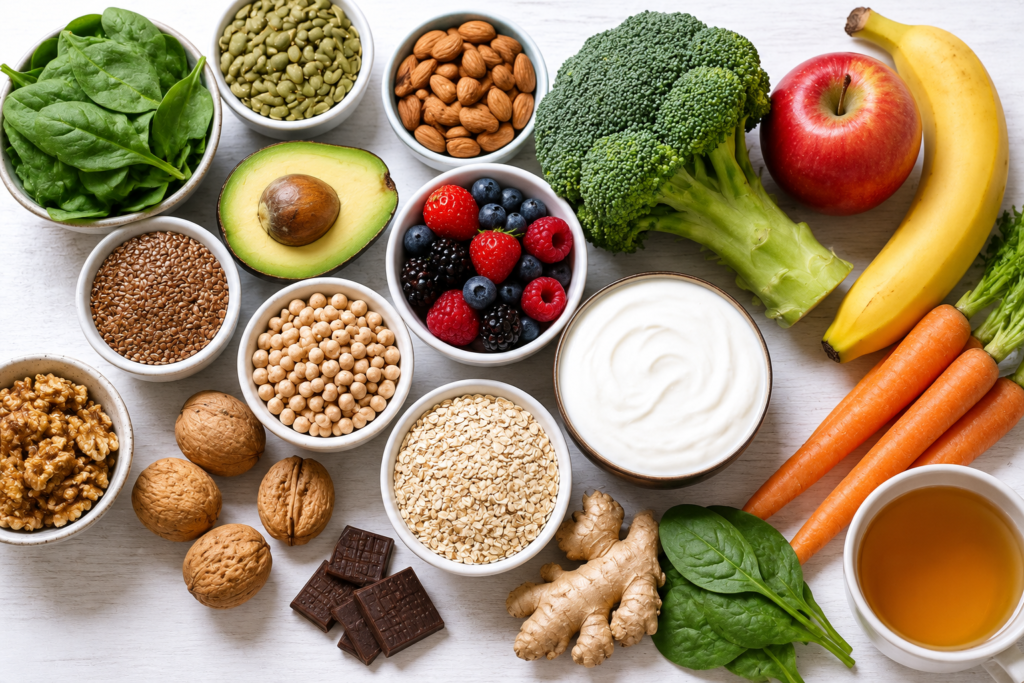
Oatmeal is widely considered one of the top choices for increasing breast milk supply. From a biological perspective, oats are incredibly rich in iron. Maternal anemia or low iron levels are clinically proven to interfere directly with optimal milk synthesis. Furthermore, oats contain a unique type of soluble fiber called beta-glucan, which stimulates the secretion of prolactin—the primary hormone responsible for signaling your body to produce more milk.
2. Fenugreek Seeds (Methi)
Used for generations across the globe, fenugreek seeds are perhaps the fastest-acting herbal galactagogue available. These small seeds contain phytoestrogens—plant-based chemicals that mimic maternal hormones—and a specific compound called diosgenin. These components stimulate the sweat production glands, and because mammary glands are structurally modified sweat glands, this stimulation often increases milk volume within 24 to 72 hours of regular consumption.
3. Fennel Seeds and Cumin Seeds (Jeera)
Fennel seeds work similarly to fenugreek due to their rich load of anethole, a plant estrogen that helps clear milk ducts and promotes better milk flow. Cumin seeds, often brewed into a warm herbal tea, are packed with essential minerals that combat postpartum fatigue while acting as a gentle digestive aid that reduces gas and colic symptoms in both mom and baby.
4. Moringa Oleifera (Drumstick Leaves)
Moringa leaves are a genuine nutritional powerhouse, historically used to combat postpartum depletion. They are rich in calcium, iron, protein, and vitamin C. Clinical studies have shown that introducing moringa leaf extract or fresh drumstick leaves into a nursing mother’s diet can dramatically raise prolactin levels, making it an excellent natural booster for low milk volume.
5. Brewer’s Yeast and Nutritional Yeast
Frequently included in lactation cookies, brewer’s yeast is packed with chromium, protein, selenium, and highly bioavailable B-complex vitamins. These nutrients work together to boost cellular energy, reduce postpartum blues, and support the metabolic demands of milk synthesis, helping mothers maintain a consistent flow throughout the day.
6. Raw Nuts (Almonds, Cashews, and Walnuts)
Creating breast milk demands a significant amount of cellular energy, requiring an additional 300 to 500 calories per day. Raw nuts provide healthy monounsaturated fats, protein, and vital antioxidants like vitamin E. Almonds, in particular, are highly lactogenic and can be consumed raw or blended into a rich warm almond milk to support milk creaminess and supply.
Additional Foods That Support Quality and Quantity
While the primary galactagogues mentioned above give you a fast boost, adding these supportive foods helps maintain a healthy, sustainable supply long-term:
- Green Papaya: Popular in Asian cuisines, raw green papaya is an excellent galactagogue. It contains enzymes and vitamins that promote oxytocin production, which helps trigger the milk let-down reflex.
- Garlic: Beyond adding flavor to meals, garlic contains compounds that support the immune system. Interestingly, babies often enjoy the subtle taste of garlic in breast milk, which can encourage them to suckle longer, thereby increasing demand and supply naturally.
- Sesame Seeds: Packed with plant-based calcium, sesame seeds are essential for replenishing maternal bones during lactation while helping to increase milk fat profiles.
- Dark Green Leafy Vegetables: Spinach, alfalfa, and kale provide a rich source of phytoestrogens, iron, and folate, which actively rebuild maternal strength after childbirth.
Essential Strategies to Maximize Milk Synthesis
While eating lactogenic foods provides an excellent metabolic foundation, milk production is ultimately driven by physical mechanics. To see the fastest results, combine your diet changes with these evidence-based practices:
- Increase Nursing Frequency: The more often your baby empties your breasts, the more prolactin your brain releases to create new milk. Aim to nurse or pump every 2 to 3 hours during a supply dip.
- Practice Skin-to-Skin Contact: Holding your baby bare-chested against your skin instantly triggers a surge of oxytocin, the hormone responsible for releasing milk from the ducts.
- Ensure an Effective Latch: If a baby cannot latch efficiently, they will struggle to drain the breast properly. An incomplete emptying tells your body to decrease production. Consulting a lactation specialist can quickly resolve latching challenges.
- Avoid Tight Bras and Heavy Stress: Restrictive clothing can compress milk ducts and decrease flow, while elevated stress hormones like adrenaline can temporarily block your let-down reflex.