Foods to Boost Immunity in Toddlers and Kids: A Healthy Guide
As toddlers and young children grow, their immune systems are constantly working behind the scenes, adapting to new environments and building defenses against everyday germs, seasonal colds, and infections. Seeing your child fall sick frequently can be stressful, but it is a normal part of their biological development. While you cannot completely shield them from every virus, you can fundamentally strengthen their body’s internal defenses through strategic, everyday nutrition.
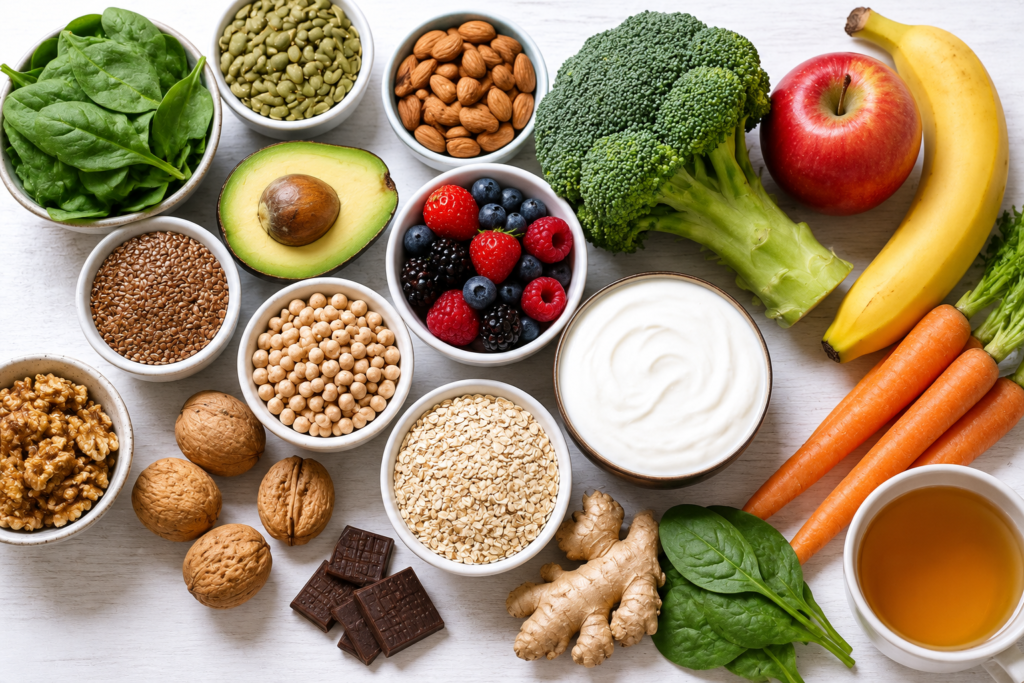
The immune system relies extensively on a continuous supply of vital vitamins, minerals, antioxidants, and healthy fats to produce and activate white blood cells. Instead of turning to synthetic gummy vitamins or processed supplements, loading your child’s daily meals and snacks with whole, gut-friendly functional foods provides superior, bioavailable protection. This comprehensive guide details the best immune-boosting foods for toddlers and kids and practical ways to introduce them to even the pickiest eaters.
The Biological Connection Between Gut Health and Child Immunity
Many parents are surprised to learn that roughly 70% to 80% of a human being’s immune cells reside directly within the digestive tract. The gut microbiome—the ecosystem of trillions of microbes living in the intestines—acts as the primary training ground for a child’s immune response. When the gut is nourished with probiotics (beneficial bacteria) and prebiotics (fiber that feeds good bacteria), the body can quickly identify and eliminate harmful pathogens.
Conversely, a diet heavy in refined white sugars, processed snacks, and chemical preservatives disrupts this delicate microbial balance, temporarily slowing down immune performance. Shifting your focus toward nutrient-rich whole foods ensures their digestive system remains a powerful shield against seasonal illnesses.
Top Powerhouses to Strengthen a Child’s Immune System
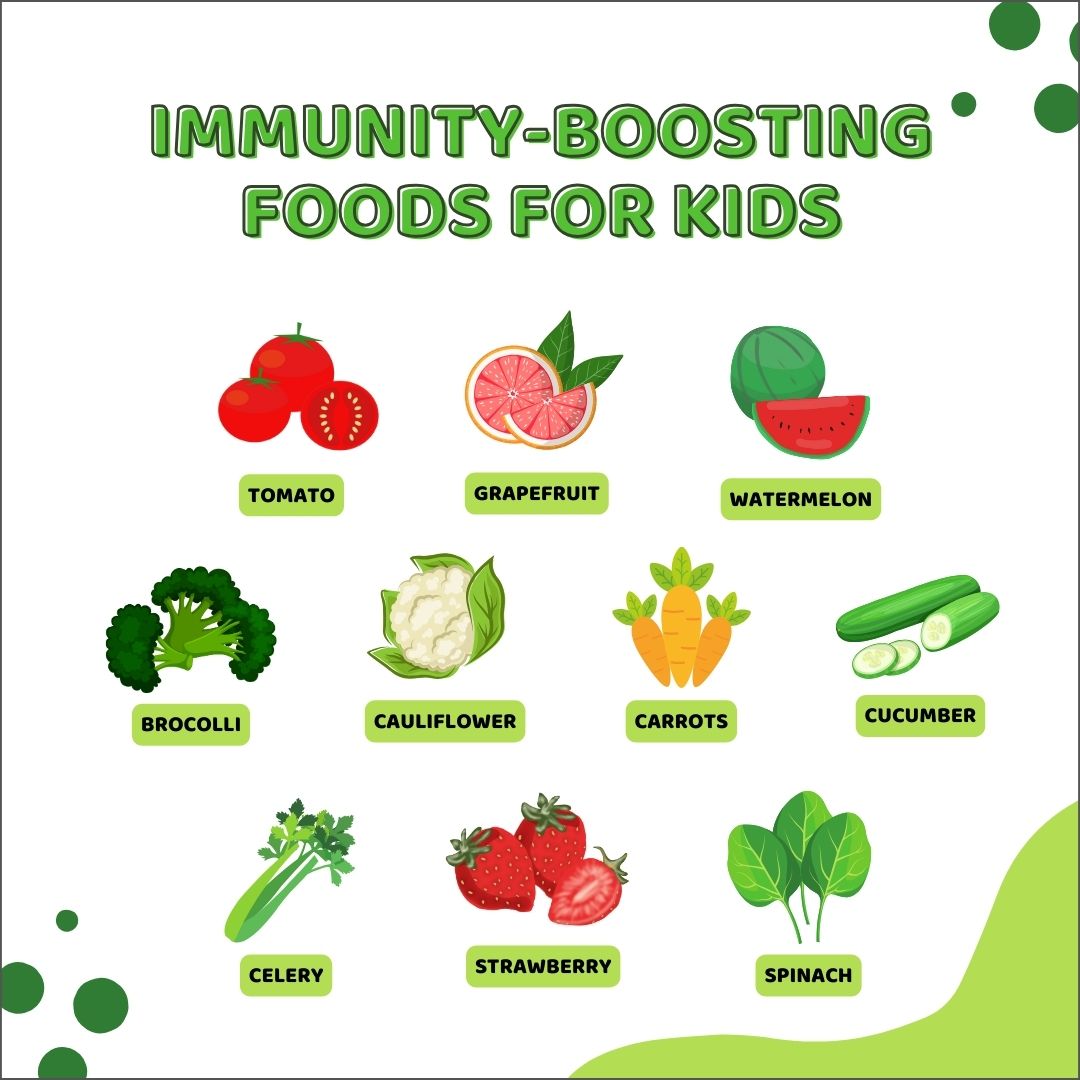
Incorporating a colorful variety of the following nutrient-dense foods into your child’s daily routine will supply the biological building blocks needed to build a robust immune response:
1. Vitamin C Champions: Citrus Fruits and Berries
Vitamin C is a powerful antioxidant that directly stimulates the production of white blood cells, which are the body’s primary line of defense against infections. Since the human body cannot produce or store Vitamin C internally, children must consume it daily.
- Oranges, Grapefruits, and Tangerines: Classic options packed with refreshing juices that kids love.
- Strawberries and Blueberries: These are loaded with anthocyanins, a type of flavonoid that possesses excellent anti-inflammatory properties to protect respiratory tracts.
- Tomatoes and Bell Peppers: Interestingly, bright red and yellow bell peppers contain significantly more Vitamin C than many citrus fruits and can easily be mixed into savory dishes.
2. Probiotic Power: Plain Greek Yogurt and Kefir
As mentioned earlier, a healthy gut equals a strong immune system. Regular consumption of fermented foods introduces millions of beneficial bacteria directly into your child’s gut, crowded out harmful bacteria that cause stomach bugs and throat infections.
Feeding Tip: Avoid buying commercial fruit-flavored yogurts, which are frequently packed with up to four teaspoons of hidden refined sugars. Instead, purchase plain, unsweetened Greek yogurt and blend in fresh mashed bananas, mangoes, or a small drizzle of raw maple syrup for natural sweetness.
3. Cellular Repair Blocks: Eggs, Lean Poultry, and Fish
Proteins are essentially the building blocks of life. The body requires amino acids from dietary proteins to construct new immune cells and repair damaged tissues after an illness. Furthermore, specific options like fatty fish (salmon) supply crucial Omega-3 fatty acids, which reduce systemic inflammation and support brain growth.
Additionally, whole eggs are one of the very few natural food sources rich in **Vitamin D**. Vitamin D behaves like a master regulator for the immune system, activating the body’s natural T-cells to combat aggressive respiratory infections effectively.
4. Micronutrient Goldmines: Spinach, Broccoli, and Carrots
Brightly colored vegetables indicate a high concentration of protective plant chemicals. Consuming a diverse mix of veggies ensures your toddler receives vital micronutrients that standard meals might lack.
- Broccoli: A vegetable powerhouse packed with vitamins A, C, and E, alongside glutathione, a master cellular antioxidant.
- Carrots and Sweet Potatoes: Loaded with **beta-carotene**, which the body converts into Vitamin A. Vitamin A is crucial for maintaining the health of the mucosal linings in the nose, mouth, and lungs, trapping germs before they enter the bloodstream.
- Spinach and Celery: Excellent sources of folate, iron, and fiber that support overall cellular division and blood health.
Clever Ways to Manage Picky Eaters
Knowing which foods are healthy is only half the battle; getting a toddler to actually swallow them can be a challenge. Try these simple, parent-tested strategies to sneak immune-boosting nutrients into their favorite meals:
- The Secret Nutrient Smoothie: Blend plain yogurt, a handful of baby spinach (which has a mild flavor that blends away easily), half an avocado for healthy fats, and a cup of frozen strawberries or bananas. The bright pink color hides the greens completely.
- Upgraded Finger Foods: Cut sweet potatoes, carrots, and cucumbers into fun shapes using mini cookie cutters. Toddlers love finger foods that are easy to pick up, dip, and explore.
- Fortified Purees and Soups: Blend boiled carrots, tomatoes, and bell peppers into a silky smooth red sauce to use over whole-grain pasta or as a base for homemade pizza. They will get all the Vitamin A and C without picking out vegetable pieces.
Essential Daily Habits That Support Nutritional Intake
While feeding your child immunity foods creates a powerful internal foundation, these lifestyle habits maximize how efficiently their body utilizes those nutrients:
- Prioritize Consistent, Deep Sleep: Toddlers require roughly 11 to 14 hours of sleep daily, while older kids need 10 to 12 hours. During deep rest, the body releases cytokines—proteins that are vital for targeting localized infections and inflammation.
- Encourage Active Outdoor Play: Let your kids run, climb, and play outside in regular daylight. Sunlight naturally stimulates Vitamin D production inside their skin, while physical movement improves circulation, helping immune cells travel faster throughout the body.
- Minimize Excess Refined Sugars: Limit processed candies, baked goods, sugary juices, and sodas. Studies show that a sudden spike in sugar intake can temporarily lower the ability of white blood cells to fight off bacteria for several hours.