Natural Ways to Lower Bad Cholesterol (LDL)
Cholesterol is a waxy substance that your liver produces naturally to build cell membranes and synthesize critical hormones. However, lifestyle factors often cause an imbalance in your lipid profile, leading to high levels of Low-Density Lipoprotein (LDL), commonly known as “bad” cholesterol. When LDL levels remain elevated, it can build up inside the walls of your arteries, forming hard plaques that narrow your blood vessels and significantly increase the risk of heart disease and stroke.
The encouraging news is that your body responds incredibly well to natural interventions. Making targeted nutritional adjustments and increasing physical activity can help optimize your liver function, clear excess lipids from your bloodstream, and elevate your High-Density Lipoprotein (HDL) or “good” cholesterol. This guide explores the most effective, science-backed natural strategies to lower your LDL cholesterol safely.
Dietary Strategies to Block and Flush Out LDL
What you put on your plate plays a direct role in how your body processes fats. Focus on adding foods that actively grab cholesterol and draw it out of your system.
1. Increase Soluble Fiber Intake
Soluble fiber acts like a sponge in your digestive tract. It binds to cholesterol molecules in your small intestine, preventing them from absorbing into your bloodstream and carrying them out of the body as waste.
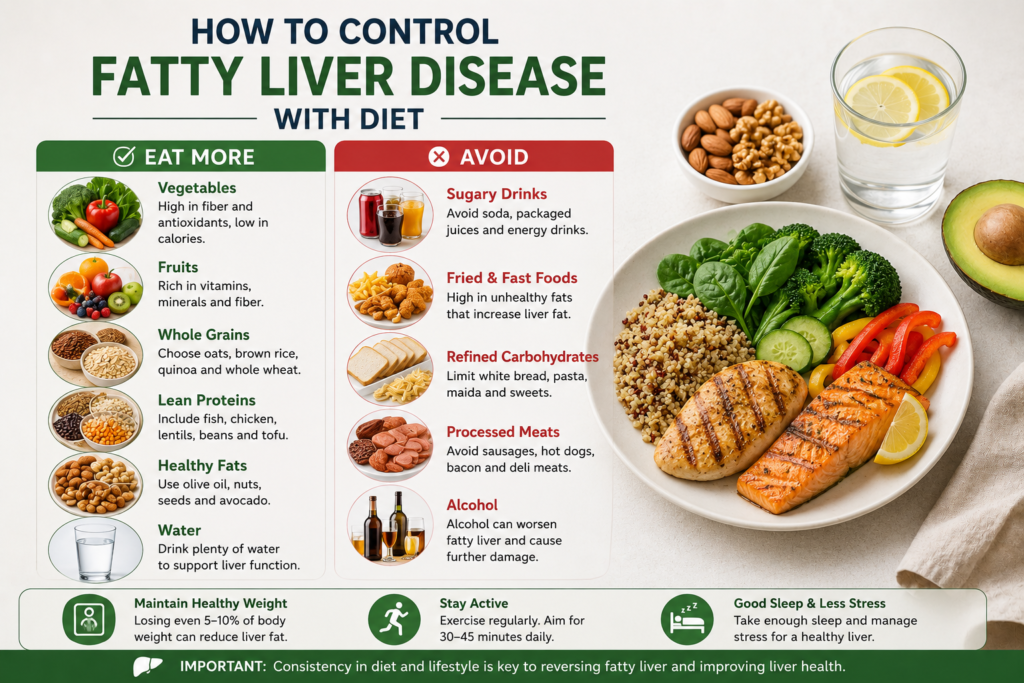
- Best sources: Include a daily bowl of oatmeal or oat bran, whole grains, barley, Brussels sprouts, and legumes like lentils, chickpeas, and black beans. Consuming just 5 to 10 grams of soluble fiber a day can noticeably drop your LDL levels.
2. Incorporate Monounsaturated and Polyunsaturated Fats
To reduce bad cholesterol, you do not need to avoid fats entirely; you simply need to switch to heart-healthy options that support arterial elasticity.
- Best sources: Use extra virgin olive oil as your primary cooking oil. Enjoy a handful of raw nuts like almonds and walnuts daily, and eat avocados. These foods are packed with monounsaturated fatty acids that lower harmful LDL while protecting healthy HDL levels.
3. Load Up on Omega-3 Fatty Acids
Omega-3 fatty acids do not directly reduce LDL, but they dramatically slash triglycerides, reduce systemic inflammation, and lower the risk of blood clots.
- Best sources: Incorporate fatty fish such as salmon, mackerel, and sardines into your meals twice a week. If you prefer plant-based options, freshly ground flaxseeds, chia seeds, and walnuts are excellent alternative sources.
Lifestyle Changes to Accelerate Lipid Clearance
Dietary changes work best when paired with daily habits that stimulate your metabolism to break down excess fats efficiently:
1. Commit to Regular Cardiovascular Exercise
Physical inactivity leaves excess sugars and fats lingering in the bloodstream. Engaging in 30 minutes of moderate-intensity aerobic exercise—such as brisk walking, cycling, or swimming—five days a week stimulates the enzymes that move LDL from the blood to the liver, where it is excreted safely.
2. Eliminate Trans Fats and Reduce Refined Sugars
Artificial trans fats (often listed as partially hydrogenated oils on ingredient labels) are uniquely dangerous because they simultaneously raise LDL and lower beneficial HDL. Additionally, high intake of refined sugars and simple carbohydrates triggers insulin spikes that prompt your liver to manufacture more cholesterol.
The Power of Plant Sterols: Plant sterols and stanols are natural compounds found in fruits, vegetables, and whole grains that share a remarkably similar structure to cholesterol. When consumed, they compete with cholesterol for absorption in your digestive tract, helping to lower your overall LDL levels naturally.
What to Monitor During Your Recovery
While natural approaches are highly effective, tracking your progress ensures your efforts are leading to measurable improvements:
- Schedule Routine Blood Tests: Request a comprehensive fasting lipid panel every 3 to 6 months to monitor your shifting ratios of LDL, HDL, and triglycerides.
- Manage Chronic Stress: Prolonged psychological stress triggers the release of cortisol and adrenaline. These hormones can prompt your body to mobilize stored fats and raise glucose levels, which can inadvertently increase LDL production.
Final Thoughts: Consistent Steps to Heart Health
Lowering bad cholesterol naturally is a gradual process that centers around consistency and healthy daily choices. By prioritizing soluble fiber, choosing healthy cooking oils, staying active, and cutting back on refined sugars and trans fats, you give your body the exact tools it needs to clear its pathways. Treat your cardiovascular system with care, commit to these lifestyle upgrades, and enjoy the long-term benefits of a healthy, vibrant heart.