Beat the Heat 2026: Doctor-Approved Dietary and Medical Strategies to Prevent Dehydration
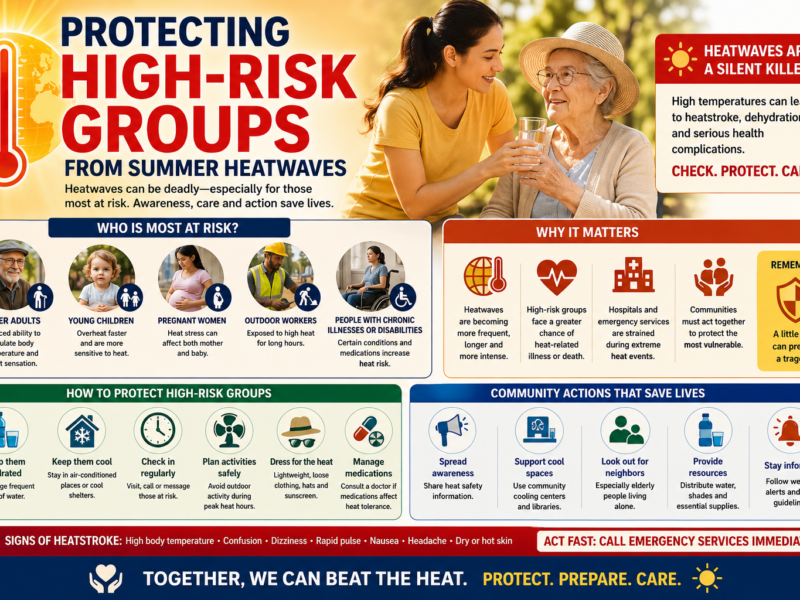
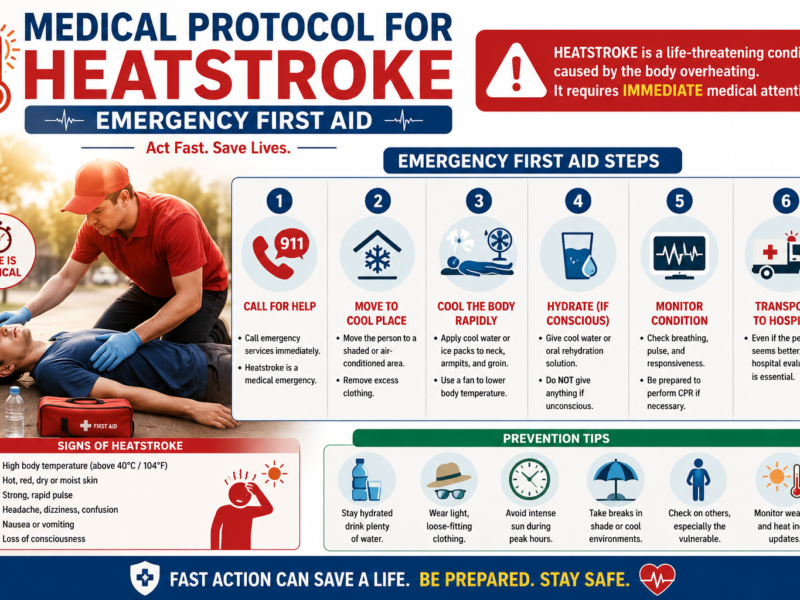
The summer of 2026 is introducing some of the most challenging climate patterns on record, forcing communities around the world to find better ways to handle persistent heatwaves. While staying cool indoors is a primary defense, the real struggle to stay healthy happens inside the human body. Dehydration is more than just feeling thirsty; it is a clinical condition where the body loses vital fluids and essential minerals faster than it can replace them. If left unmanaged, systemic dehydration can weaken your immune system, cause kidney issues, and lead directly to severe heat illnesses like heat exhaustion or heatstroke.
To keep your body running safely through these extreme temperatures, you need a scientifically sound approach to nutrition and hydration. Relying solely on cold sugary drinks can often backfire. This comprehensive medical guide details doctor-approved dietary adjustments and fluid strategies designed to keep you hydrated, energized, and completely healthy during this extreme summer season.
The Science of Osmotic and Electrolyte Balance
When you sweat, your body does not just lose pure water; it eliminates essential cellular salts, primarily sodium, potassium, chloride, and magnesium. Drinking huge volumes of plain water without replenishing these missing minerals can thin out your bloodstream dangerously. This leads to a medical condition called hyponatremia, which causes muscle weakness, headaches, and confusion.
Why Typical Summer Hydration Tactics Fail
Many individuals believe that as long as they are drinking liquids, they are protecting themselves from the heatwaves. However, the type of liquid you choose determines how effectively your body maintains its core temperature.
Sipping on iced coffee, heavily sweetened sodas, or commercially prepared energy drinks actually accelerates dehydration. Caffeine and high sugar concentrations act as natural diuretics, stimulating your kidneys to flush out water at a faster rate. True hydration requires clean liquids that can pass smoothly through your intestinal walls and directly enter your bloodstream to cool down tissues.
Doctor-Approved Fluid Strategies for Maximum Hydration
To stay properly hydrated through the peak summer heat, medical experts suggest moving away from irregular fluid intake and adopting a structured hydration routine instead.
1. The Proactive 20-Minute Hydration Rule
Do not wait until your throat feels dry to pour a glass of water. Thirst is a sign that your body is already mildly dehydrated. Instead, aim to drink 200 to 250 milliliters of water every 20 to 30 minutes when you are working or spending time outdoors. This steady intake allows your digestive system to absorb fluids smoothly without overwhelming your bladder.
2. Smart Use of Oral Rehydration Salts (ORS)
For individuals who work outdoors, exercise in the heat, or sweat heavily, plain water is not quite enough. Mixing a standard packet of Oral Rehydration Salts (ORS) into clean drinking water provides an ideal balance of glucose and sodium. This combination utilizes the body’s natural co-transport systems to speed up water absorption across the intestinal lining.
Top Cooling Foods to Include in Your Summer Diet
You can fulfill up to 20% of your daily hydration needs through the foods you eat. Incorporating items with high water content gives your body a steady release of moisture and essential micronutrients:
- Watermelon and Berries: Watermelon is composed of roughly 92% water and is packed with lycopene, an antioxidant that helps protect skin cells from UV-induced oxidative stress.
- Cucumbers and Celery: These vegetables contain over 95% water and are naturally rich in silica and potassium, which help reduce fluid retention and stabilize blood pressure in hot weather.
- Plain Yogurt and Buttermilk (Lassi): Excellent sources of healthy probiotics, calcium, and fluids. Yogurt helps cool the digestive tract, which can become sluggish or easily irritated when core body temperatures rise.
- Leafy Greens (Spinach and Lettuce): Packed with mineral salts and moisture, these greens supply your body with magnesium, a vital component for healthy muscle contractions and nervous system stability.
Foods and Habits to Minimize During Heatwaves
Certain dietary choices put an extra structural burden on your body during hot weather by increasing internal heat production (thermogenesis):
- High-Protein Heavy Meals: Digesting dense proteins requires significant metabolic energy, which raises your internal body temperature. Opt for lighter, smaller meals spread throughout the day instead.
- Excessive Sodium and Deep-Fried Foods: High salt intake pulls moisture away from your cells, forcing your body to draw from its water reserves to clear out the excess sodium.
- Processed Pastries and Sugary Treats: Sudden spikes in blood sugar alter cell chemistry, triggering increased urination and leaving you feeling fatigued and dehydrated.
Recognizing the Early Warning Signs of Dehydration
Monitoring your body’s signals is an effective way to stay ahead of serious heat complications. If you or a family member experience any of the following symptoms, it is time to move to a cooler space and focus on rehydration:
- Urine Color Changes: Clear or pale yellow urine indicates healthy hydration. Dark yellow, amber, or orange-tinted urine is a clear warning that your kidneys are conserving water due to a severe system shortage.
- Sudden Orthostatic Dizziness: Feeling dizzy or lightheaded when standing up quickly indicates reduced blood volume, a direct result of fluid loss.
- Dry Mouth and Decreased Tear Production: A lack of natural lubrication in your mouth or eyes shows that your body is conserving its remaining fluids for internal organs.
Conclusion: Take Charge of Your Internal Climate
Beating the severe heatwaves of 2026 relies on making smart, everyday choices about what you put into your body. By avoiding dehydrating drinks, eating water-rich fresh foods, and sticking to a consistent fluid routine, you build a strong defense against summer health risks. Treat hydration as an essential medical habit rather than a casual task, and you will help your body stay resilient and healthy all summer long.