High-Risk Groups in Summer: Medical Guidelines to Protect Elderly, Children, and Chronic Patients from Heatwaves
Extreme summer heat waves present a universal challenge, but the physical toll is far from equal across the population. While a healthy adult might experience minor discomfort or fatigue during a thermal spike, specific vulnerable populations face severe, fast-acting health risks. For infants, older adults, and individuals living with pre-existing medical conditions, hot weather is not just inconvenient—it is a distinct physiological hazard that can rapidly turn critical.
Understanding why certain groups are highly susceptible to extreme heat requires looking closely at how the human body processes thermal stress. This guide provides clear, doctor-approved medical strategies designed to safeguard these high-risk demographics, helping families and caregivers prevent serious heat complications before they happen.
Why Biological Resilience Varies in High Heat
The human body relies on a delicate physiological process to maintain a safe internal temperature. When environmental heat rises, the brain signals blood vessels to widen and sweat glands to activate. If an individual’s nervous or cardiovascular system is compromised, underdeveloped, or weakened by age, this natural cooling response can fail entirely, leading to dangerous internal heat build-up.
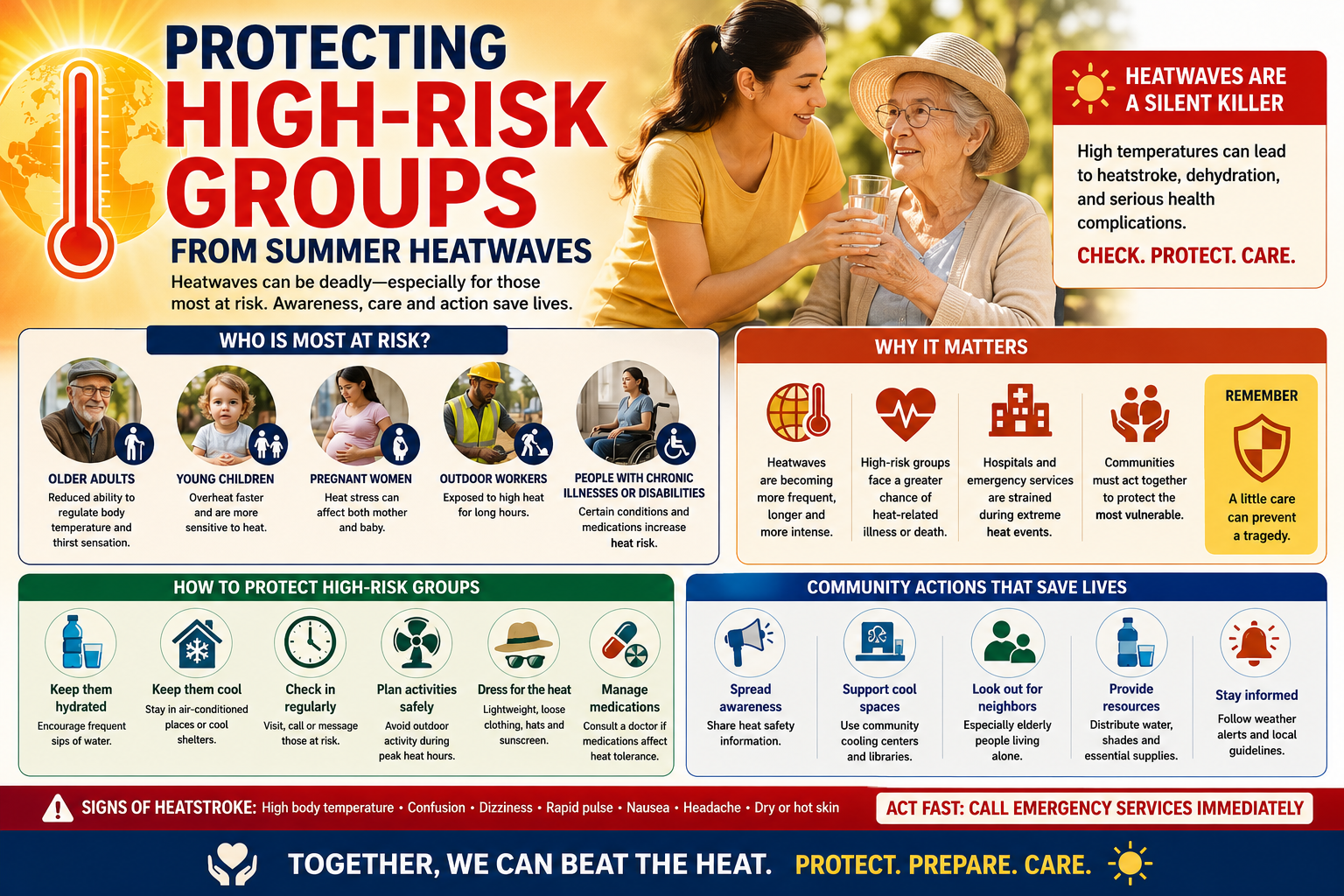
1. Pediatric Vulnerability: Protecting Infants and Children
Children are not simply smaller versions of adults; their bodies handle environmental changes quite differently. Gram for gram, children have a larger skin surface area relative to their body mass, meaning they absorb environmental heat much faster than adults do.
Additionally, their sweat glands are not yet fully mature, limiting their physical capacity to cool down effectively through evaporation. Young children also rely completely on adults to monitor their environments and provide them with fluids, making them highly dependent on proactive care during heatwaves.
Essential Medical Protocols for Children:
- Strict Hydration Tracking: Children often forget to drink water when playing. Caregivers should actively offer fluids every hour, choosing pure water or diluted natural juices over sugary fruit punches.
- Never Leave a Child in a Parked Car: Even with the windows cracked open, the internal temperature of a vehicle can rise by 20 degrees Fahrenheit in less than 10 minutes, creating a lethal greenhouse environment.
- Select Light, Breathable Apparel: Dress infants in a single layer of loose-fitting, light-colored cotton clothing to facilitate natural airflow across the skin.
- Monitor Behavioral Shifts: Watch for early indicators of heat fatigue in children, such as unusual crankiness, extreme drowsiness, flushed cheeks, or a sudden refusal to drink liquids.
2. Geriatric Vulnerability: Protecting the Elderly
As the human body ages, its natural cooling mechanisms gradually become less efficient. Older adults experience a decline in sweat production and reduced blood circulation to the skin.
Crucially, the brain’s ability to sense thirst dulls with age, meaning many elderly individuals may be severely dehydrated long before they actually feel thirsty. Living alone or dealing with limited mobility further complicates their ability to modify their surroundings or access fluids easily during intense heatwaves.
Key Protective Measures for Older Adults:
- Proactive Wellness Checks: Families and neighbors should check on isolated elderly individuals at least twice a day during heat waves to ensure their living spaces are adequately cooled.
- Utilize Cross-Ventilation and Shading: If air conditioning is unavailable, keep indoor spaces safer by closing heavy curtains during peak sunlight and using electric fans to keep air moving.
- Encourage Steady Fluid Intake: Keep a filled water pitcher near their favorite seating area, making it simple and natural to take small sips throughout the day.
3. Chronic Patients: Managing Pre-Existing Conditions in the Heat
Sustained high temperatures put an extra physical strain on your internal organs. For individuals managing long-term health issues, this added workload can overtax their systems and worsen their underlying conditions.
Cardiovascular and Heart Disease
To shed excess heat, the heart must pump significantly faster and harder to move blood toward the skin surface. This creates an intense workload for individuals with a history of heart failure, arrhythmia, or coronary artery disease, increasing the risk of cardiovascular events during a heatwave.
Diabetes and Metabolic Conditions
Diabetes affects the body’s sweat glands, making it harder to cool down efficiently. Furthermore, dehydration shrinks blood volume, which concentrates the amount of sugar in the bloodstream, making blood glucose levels more volatile and difficult to manage.
Respiratory Conditions (Asthma and COPD)
Hot, stagnant air often traps high levels of ground-level ozone and environmental pollutants. Breathing in this heavy, warm air can trigger airway inflammation, causing sudden bronchospasms and dangerous flare-ups for asthma and COPD patients.
Critical Note: Medications That Alter Heat Resilience
Many common daily prescriptions change how your body responds to high temperatures. Caregivers and patients must be aware of these interactions:
- Diuretics (Water Pills): Frequently prescribed for blood pressure, these medications speed up fluid loss, making patients highly susceptible to rapid dehydration.
- Beta-Blockers: These medications keep your heart rate stable, but they also limit the heart’s ability to speed up enough to properly move blood to the skin for cooling.
- Antihistamines and Over-the-Counter Sleep Aids: These can suppress sweat production, directly blunting the body’s primary way of lowering its temperature.
Conclusion: A Shared Responsibility for Community Health
Protecting vulnerable populations from the dangers of extreme summer heatwaves requires proactive planning and consistent attention. By recognizing that children, the elderly, and chronic patients require specialized care, families can prevent serious thermal injuries before they escalate. Simple steps—like regular wellness checks, tracking hydration, and understanding medication side effects—build a strong safety net, ensuring everyone stays healthy and secure through the harshest summer months.