
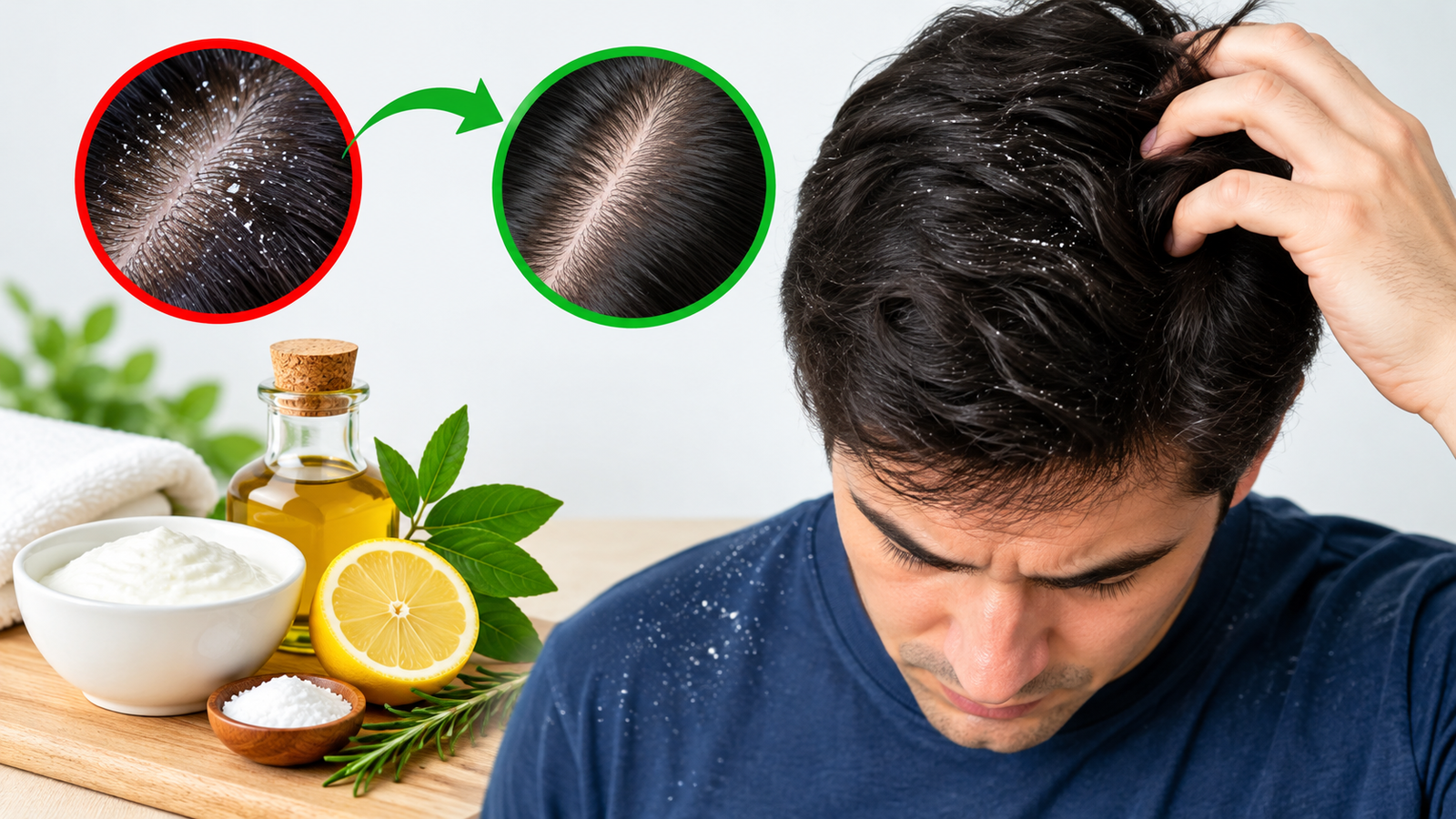
Dandruff is one of the most common scalp conditions in the world. It causes white or yellowish flakes, itching, and sometimes embarrassment. The good news is that dandruff is not dangerous or contagious, and in most people it can be controlled with the right routine. In this guide, you will learn what causes dandruff, which ingredients actually work, and when it is time to see a doctor.
- Dandruff is harmless and not contagious.
- The most common cause is an overgrowth of a natural scalp yeast (Malassezia).
- Shampoos with zinc pyrithione, ketoconazole, selenium sulfide, or salicylic acid work best.
- See a doctor if there is no improvement after 4 weeks.
What Is Dandruff?
Dandruff is a long-term but harmless scalp condition in which skin cells shed faster than normal and form visible flakes. Its more severe form is called seborrheic dermatitis, which also causes redness and greasy, scaly patches on the scalp.
What Causes Dandruff?
There is rarely a single cause. Several factors usually work together:
- Malassezia yeast: This yeast lives on almost every scalp. In some people it overgrows and irritates the skin, which speeds up flaking.
- Oily scalp: Excess sebum (natural oil) feeds the yeast.
- Infrequent washing: Oil and dead skin cells build up on the scalp.
- Dry skin: Cold weather and dry indoor air cause smaller, whiter flakes.
- Sensitivity to hair products: Shampoos, dyes, and styling products can irritate the scalp and cause flaking.
- Stress and poor sleep: These can make flare-ups worse.
- Certain health conditions: Eczema, psoriasis, and some neurological conditions are linked to heavier flaking.
Dandruff or Dry Scalp?
The two look similar, but the treatment is different. Use this table to tell them apart.
| Dandruff | Dry Scalp | |
|---|---|---|
| Flakes | Larger, oily, yellowish-white | Smaller, dry, white |
| Scalp | Often oily and irritated | Tight and dry |
| Other body areas | Eyebrows and sides of the nose may flake | Skin elsewhere is often dry too |
Proven Treatments That Work
Look for these active ingredients on the label of an anti-dandruff shampoo:
- Zinc pyrithione: Reduces yeast and slows skin-cell turnover.
- Ketoconazole: An antifungal that works well on stubborn dandruff.
- Selenium sulfide: Slows the shedding of skin cells.
- Salicylic acid: Softens and removes scale.
- Coal tar: Slows cell growth, but may have a strong smell.
How to Use an Anti-Dandruff Shampoo
Massage the shampoo into the scalp, not just the hair. Leave it on for 3 to 5 minutes, then rinse well. Use it two to three times a week until symptoms improve. Rotating two different active ingredients often works better than using the same one for months.
Helpful Lifestyle Habits
- Wash your hair regularly. If your scalp is oily, washing every 1 to 2 days is fine.
- Avoid scratching, as it can damage the skin and cause infection.
- Rinse out shampoo and conditioner completely.
- Limit heavy oils and styling products on the scalp.
- Manage stress and aim for 7 to 8 hours of sleep.
- Eat a balanced diet with enough zinc, B vitamins, and healthy fats.
- Get some regular daylight, but avoid sunburn.
Natural Home Remedies (With Realistic Expectations)
- Tea tree oil: Some studies suggest it helps, but it must be diluted in a shampoo or carrier oil because pure oil can irritate the skin.
- Aloe vera gel: Soothing for an itchy scalp, but scientific evidence is limited.
- Apple cider vinegar: Often recommended online, but there is little solid evidence. Always dilute it, as undiluted vinegar can burn the scalp.
- Coconut oil: May help with dry-scalp flaking, but can make true dandruff worse on an oily scalp.
These remedies may support your routine, but they do not replace medicated shampoos.
When to See a Doctor
- Dandruff does not improve after 4 weeks of regular treatment
- Your scalp is very red, swollen, or painful
- You have thick, crusty patches or oozing
- You notice patchy hair loss along with flaking
Frequently Asked Questions
Can dandruff be cured permanently?
Dandruff is usually a long-term condition that can be controlled but often returns when treatment stops. Regular maintenance with a medicated shampoo keeps it under control.
Does dandruff cause hair loss?
Dandruff itself does not directly cause hair loss, but heavy scratching and inflammation can weaken hair and lead to temporary shedding.
Is dandruff contagious?
No. Dandruff cannot be spread from person to person.
How often should I wash my hair if I have dandruff?
Most people do well washing 2 to 3 times a week, or more often if the scalp is oily.
Can diet affect dandruff?
A balanced diet supports skin health, but no specific food has been proven to cause or cure dandruff.
Conclusion
Dandruff is common and manageable. Choose a shampoo with a proven active ingredient, use it consistently, and support your scalp with healthy habits. If symptoms persist, a dermatologist can prescribe stronger treatment.

One thought on “How to Get Rid of Dandruff: Causes and Proven Treatments”