Best Weight Gain Foods for 6 Month Old Baby: A Healthy Guide
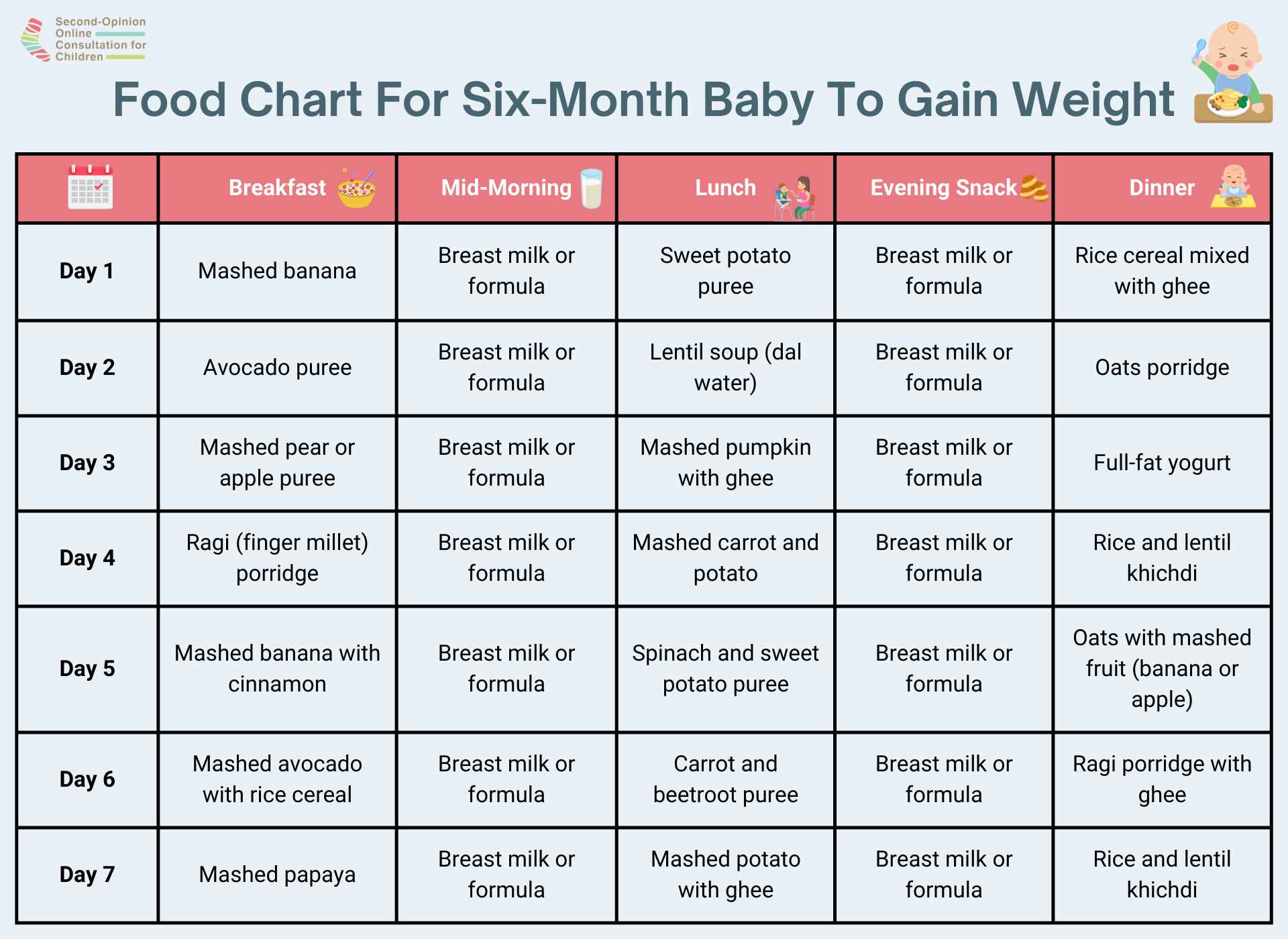
Reaching the six-month mark is a major milestone in your baby’s development. It is the age when most pediatricians give the green light to introduce solid foods alongside regular breast milk or infant formula. This transitional phase is known as complementary feeding or weaning. For many parents, ensuring their little one gains weight steadily and healthily becomes a top priority during this period.
It is important to remember that at six months old, solids are meant to complement milk, not replace it entirely. Your baby’s stomach is still incredibly small, roughly the size of their tiny fist, which means every single spoonful of solid food needs to be highly nutrient-dense and rich in healthy fats and calories. Instead of filling them up on watery options, focusing on specific wholesome, easily digestible purees can boost healthy infant growth and brain development safely.
Essential Nutritional Foundations for Infant Weight Gain
To support a steady growth curve, a six-month-old baby requires a strategic balance of macronutrients. Their rapidly growing brains and nervous systems thrive primarily on healthy, clean fats. Furthermore, their muscular structure requires bioavailable proteins, while their digestive systems need smooth, gentle carbohydrates that do not cause constipation.
When preparing homemade baby food for weight gain, avoid adding any refined sugar, honey, or artificial flavorings. The goal is to let your infant develop a preference for the natural sweetness and textures of real, whole foods while maximizing their daily caloric intake safely and comfortably.
Top Nutrient-Dense Weight Gain Foods for a 6-Month-Old
The following whole foods are excellent choices to introduce to your six-month-old. They are gentle on a developing gut, packed with clean calories, and highly effective for supporting healthy weight gain:
1. Creamy Avocado Puree
Avocado is arguably one of nature’s finest foods for growing infants. Unlike most fruits that are primarily composed of carbohydrates, avocados are uniquely packed with monounsaturated fatty acids—specifically oleic acid. These healthy fats are essential for cognitive brain structure and offer a high concentration of calories in a very small serving size, making it perfect for a tiny stomach.
Preparation: Simply scoop out the flesh of a ripe, soft avocado and mash it thoroughly with a fork until completely smooth. You can blend in a few drops of breast milk or formula to achieve a silky, easily swallowable consistency.
2. Nutrient-Rich Sweet Potato Puree
Sweet potatoes are fantastic for weight gain because they are loaded with complex carbohydrates and dietary fiber. They provide sustained energy and are highly bioavailable, meaning your baby’s body can easily absorb their nutrients. Additionally, sweet potatoes are packed with beta-carotene (Vitamin A), which supports immune function and vision health.
Preparation: Peel and wash a fresh sweet potato, cut it into small cubes, and steam or boil until completely soft. Mash or blend it thoroughly with a little warm water or milk until there are absolutely no lumps left.
3. Ragi (Finger Millet) Porridge
Ragi is a traditional grain widely celebrated for its rich nutritional profile. It is exceptionally high in calcium, which is crucial for building strong bones as your baby starts to sit or crawl. Ragi is also an excellent source of dietary iron and protein, making it a powerful staple food for combating infant nutritional deficiencies and promoting a healthy weight.
Preparation: Mix one tablespoon of sprouted ragi flour into a small cup of clean water, ensuring no lumps form. Cook the mixture on low heat, stirring continuously for five to seven minutes until it thickens into a smooth paste. Let it cool down, and stir in breast milk or formula before serving.
4. Mashed Banana with a Touch of Ghee
Bananas are an affordable and highly reliable source of potassium, vitamin B6, and carbohydrates. They are naturally sweet, making them a favorite among infants who are just starting solids. To boost the caloric value of a simple banana, you can introduce a tiny drop of pure, homemade clarified butter (ghee).
Preparation: Mash half a ripe banana thoroughly with a fork until it forms a uniform paste. Add a tiny drop (less than a quarter of a teaspoon) of melted warm ghee, mixing it deeply to add clean fats and calories that support digestion.
Tips to Balance Solid Feedings with Milk
Introducing solids can sometimes confuse parents regarding how much milk their baby still needs. Follow these simple guidelines to maintain an ideal balance:
- Milk Remains Primary: Breast milk or formula must remain your baby’s main source of hydration and nutrition until their first birthday. Always offer milk first, and introduce solids around 30 to 45 minutes afterward when they are relaxed but not overly starved.
- Start with Tiny Amounts: At six months, your baby only needs one to two teaspoons of solid food once or twice a day. Treat these early sessions as a fun learning experience for texture and swallowing rather than force-feeding large bowls.
- Observe Satiety Cues: If your baby turns their head away, closes their mouth tightly, spits out the food, or starts crying during a feeding session, respect their signals. It means they are full or simply not ready yet.