How to Relieve Stress and Tension After Work

For millions of working professionals, the end of the workday does not automatically bring a sense of peace. Instead, the physiological stress accumulated over hours of meeting deadlines, managing digital correspondence, and solving cognitive problems frequently follows them home. This persistent state of high alertness can manifest as physical muscle tightness, mental exhaustion, and a lingering inability to relax or fully engage with personal life.
To transition effectively from a high-pressure professional environment to a state of restful recovery, you must actively downregulate your nervous system. Rather than relying on passive distractions that keep your brain partially engaged, implementing intentional, evidence-based decompression rituals allows your body to rapidly metabolize stress hormones. This comprehensive guide outlines the top science-backed strategies to release post-work tension and reclaim your evenings.
The Neurobiology of Post-Work Stress and Tension
Throughout a typical workday, your body frequently initiates a mild version of the **sympathetic nervous system** response—commonly known as the fight-or-flight pathway. Constant notifications, demanding projects, and interpersonal professional interactions trigger the sustained release of **cortisol** and **adrenaline**. While these hormones maximize immediate alertness, a failure to clear them from your system leaves your body structurally tense.
When you remain trapped in this prolonged state of stress, your heart rate remains elevated, digestion slows down, and major muscle complexes—such as the neck, shoulders, and jaw—stay locked in a defensive contraction. Achieving genuine relaxation requires a conscious biological shift into the **parasympathetic nervous system**, often described as the rest-and-digest state, which systematically lowers your heart rate and allows tense muscle fibers to loosen.
Top Science-Backed Methods to Decompress and Re-Center
To break the cycle of chronic professional anxiety and enjoy your personal time, incorporate these practical habits immediately after logging off:
1. Practice the “Third Space” Transition Ritual
The “Third Space” refers to the vital transitional gap between your workplace environment and your domestic home life. Without an intentional boundary, professionals often carry residual frustration directly into their personal relationships and living spaces.
Establish a strict, non-negotiable transitional habit lasting 15 to 20 minutes. This could involve listening to an immersive audio track during your commute, performing a brief set of physical stretches, or changing into comfortable clothes the moment you finish work. Use this specific window to mentally close out professional obligations and deliberately choose the mindset you want to bring home.
2. Implement the Physiological Sigh (Rapid Downregulation)
When you need to dump accumulated mental stress rapidly, relying on standard deep breathing may not be fast enough. Neuroscientists have identified the **physiological sigh** as the fastest behavioral method to reduce autonomic arousal in real time.
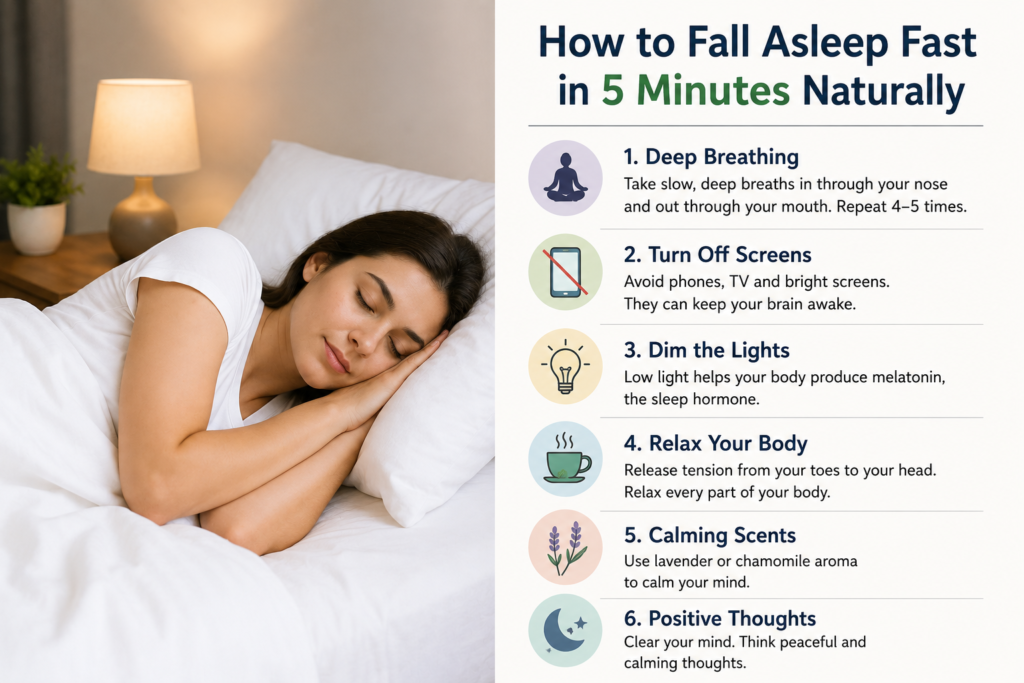
To execute a physiological sigh, take two quick consecutive inhalations through your nose—one deep breath followed immediately by a sharp top-off inhale to fully inflate your lungs. Then, release a slow, extended exhalation through your open mouth. Performing just 3 to 5 rounds of this specialized breathing pattern instantly triggers a drop in heart rate and clears excess carbon dioxide, calming your brain within seconds.
3. Engage in a Complete Digital Disconnect
Continuing to monitor professional emails, text notifications, or workplace messaging systems after your official hours keeps your brain locked in a state of continuous anticipation. This erratic neural multitasking prevents your prefrontal cortex from entering a true state of neurological rest.
Set clear boundaries by silencing your primary communication apps or physically placing your mobile devices in a separate room for the first two hours after finishing work. By removing the immediate visual temptation of digital notifications, you allow your attention span to settle, significantly lowering systemic anxiety and improving your evening focus.
4. Utilize Progressive Muscle Relaxation (PMR)
Mental stress frequently disguises itself as somatic physical tension. Progressive Muscle Relaxation is a deeply therapeutic technique that involves systematically tensing and then consciously releasing major muscle groups throughout your body.
Sit or lie down comfortably in a quiet space. Starting at your feet, tightly contract the local muscles for 5 seconds, focus intently on the sensation of tightness, and then completely release the contraction on a slow exhale. Gradually move upward through your calves, thighs, abdomen, hands, shoulders, and jaw. PMR helps retrain your awareness to recognize and let go of micro-tensions you might be holding unconsciously.
The Critical Importance of Hydration and Whole Nutrition
How you fuel your body immediately following a demanding shift profoundly dictates your neurological recovery. Many professionals reflexively reach for heavy alcohol, sugary sodas, or processed snacks as comfort items to soothe their post-work exhaustion. However, these options cause sudden spikes in blood sugar and dehydrate your neural pathways, ultimately magnifying internal physical stress and disrupting your sleep architecture.
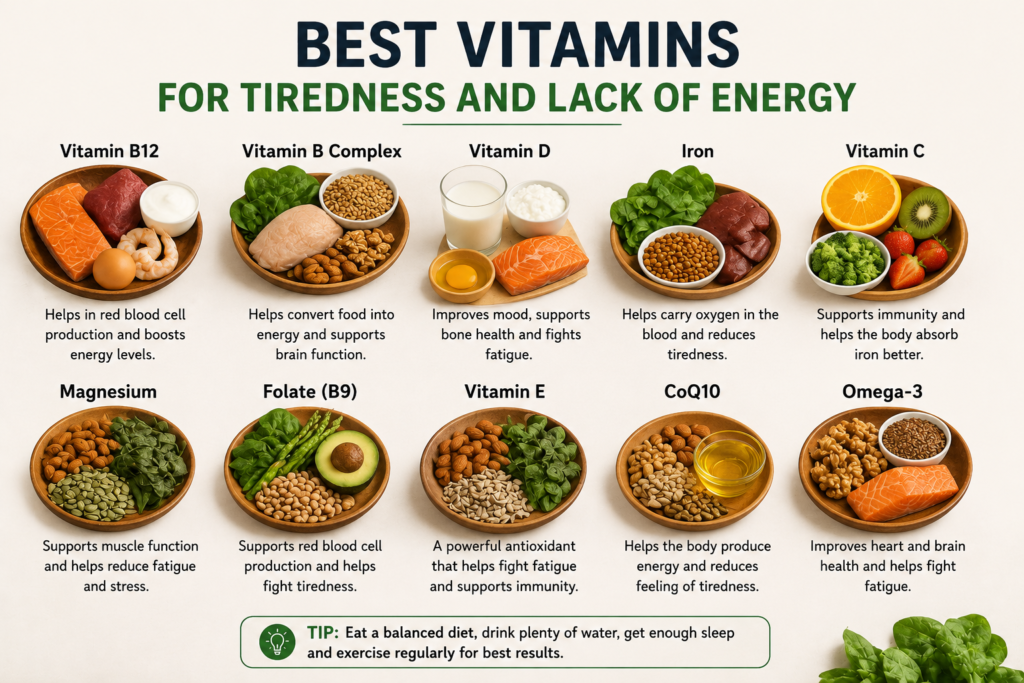
Prioritize drinking a large glass of clean water upon completing your duties to rehydrate your cellular systems. When planning your evening meal, emphasize whole foods rich in **magnesium**—such as leafy green vegetables, raw almonds, and pumpkin seeds. Magnesium acts as a natural calcium channel blocker, helping to physically relax contracted muscle tissues and soothe an overstimulated nervous system.
Essential Evening Habits to Optimize Restorative Sleep
To ensure your body transitions smoothly from evening relaxation into deep, restorative overnight sleep, apply these foundational wellness principles:
- Incorporate Low-Intensity Movement: Take a peaceful 20-minute walk outdoors after dinner to help lower your blood sugar and naturally metabolize remaining cortisol.
- Dim Your Internal Home Lighting: Lower the overhead lighting in your living spaces two hours before bed to stimulate the natural production of **melatonin**, your body’s primary sleep hormone.
- Cultivate an Engaging Analog Hobby: Dedicate time to activities completely divorced from digital screens, such as reading a physical book, cooking, or practicing creative arts to soothe your mind.