Global Heatwave Crisis: How Different Countries are Battling Heatstrokes and What You Can Learn
The planet is currently experiencing an unprecedented surge in global temperatures, turning seasonal summer warmth into a perilous, multi-continental climate emergency. From the densely populated urban hubs of South Asia to the highly industrialized cities of Europe and North America, extreme heatwaves are smashing historical records. As direct consequence, medical facilities worldwide are reporting a massive influx of heat-related illnesses, with heatstroke emerging as a critical, life-threatening condition. Managing this global health crisis requires more than just local awareness—it demands a deep understanding of global trends, cross-border health strategies, and verified medical interventions.
For a digital healthcare platform committed to public well-being, analyzing how different nations adapt to these extreme thermal anomalies offers priceless insights. This extensive analysis explores the global scale of the current heat crisis, breaks down the structural responses of heavily impacted nations, and provides scientifically backed medical guidelines to protect populations from the fatal consequences of heatstroke.
The Mathematical Reality of Thermal Stress
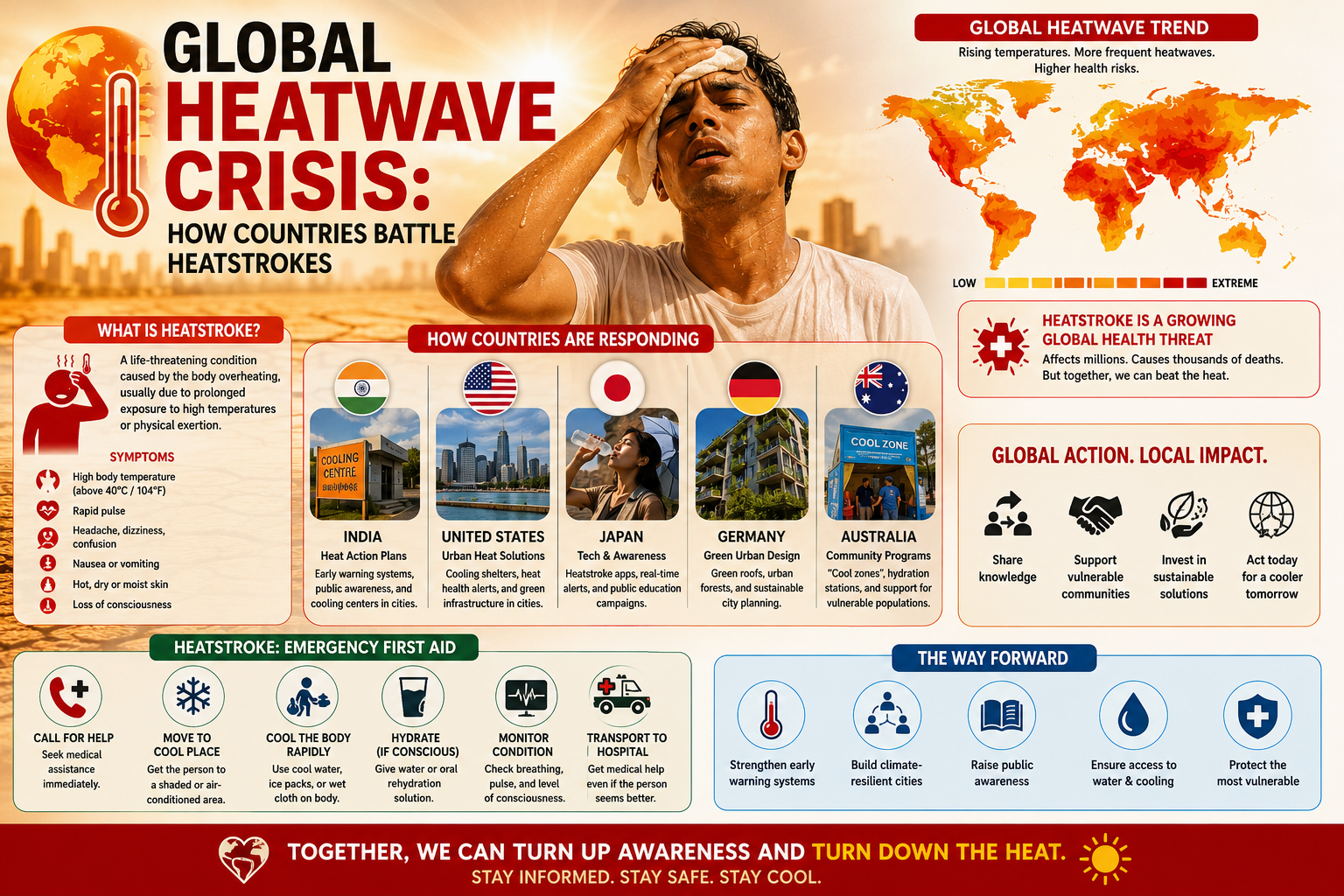
A heatstroke occurs when the human body’s core temperature rises above 104°F (40°C). At this critical threshold, the body’s internal thermoregulation system completely collapses, leading to rapid cellular degradation, central nervous system dysfunction, and potentially irreversible organ failure if emergency cooling protocols are not initiated instantly.
The Anatomy of a Global Crisis: Regional Breakdowns
The current heatwave is not an isolated meteorological event; it is a interconnected global phenomenon. Different geographical regions face unique challenges based on their socioeconomic infrastructure, urban density, and humidity levels.
1. South Asia (Pakistan and India): The Wet-Bulb Temperature Threat
In countries like Pakistan and India, the challenge is amplified by high relative humidity combined with extreme ambient temperatures, creating a dangerous “wet-bulb temperature” scenario. When humidity is exceptionally high, human sweat cannot evaporate efficiently, stripping the body of its primary natural cooling mechanism. Urban heat islands (UHIs) in cities like Lahore, Karachi, Delhi, and Ahmedabad trap heat overnight, leaving vulnerable populations with zero thermal relief.
2. The Middle East: Facing Absolute Thermal Extremes
Nations across the Arabian Peninsula regularly log ambient temperatures soaring past 122°F (50°C). While these regions boast robust air conditioning infrastructures and modern architectural insulation, outdoor laborers, construction forces, and migrant worker communities remain at extreme risk of severe dehydration and exertional heatstroke.
3. Europe and North America: The Vulnerability of Unprepared Infrastructure
Unlike tropical zones, many European nations lack widespread domestic air conditioning. When unexpected high-pressure systems trap hot air over regions like Western Europe, residential buildings act as heat traps. This historically results in high mortality rates among the elderly and individuals living with pre-existing cardiovascular or respiratory conditions.
How Different Countries are Fighting Back: Institutional Strategies
Governments and public health frameworks across the globe have developed distinct tactical maneuvers to minimize heatwave casualties. Here is what the world is doing:
- France’s National Heat Wave Plan (Plan Canicule): Established after severe historical heat waves, this system utilizes color-coded automated alerts, mandatory designated “cooling rooms” in municipal buildings, and active tracking registries for isolated elderly citizens.
- Pakistan’s Urban Heat Health Centers: In critical hubs like Karachi, emergency medical frameworks establish localized heat stroke relief camps equipped with cold water, intravenous saline fluids, and specialized ice-misting fans along major public transit routes.
- Singapore’s Climate-Resilient Urban Architecture: To mitigate the urban heat island effect, Singapore integrates vertical green spaces, extensive rooftop gardens, and advanced solar-reflective coatings on high-rise residential complexes to naturally bring down surface temperatures.
- The United States’ OSHA Labor Mandates: The Occupational Safety and Health Administration enforces strict “Water, Rest, Shade” protocols for outdoor industrial sectors, legally compelling employers to provide structural breaks during peak UV radiation hours.
The Medical Architecture of Heat-Induced Illnesses
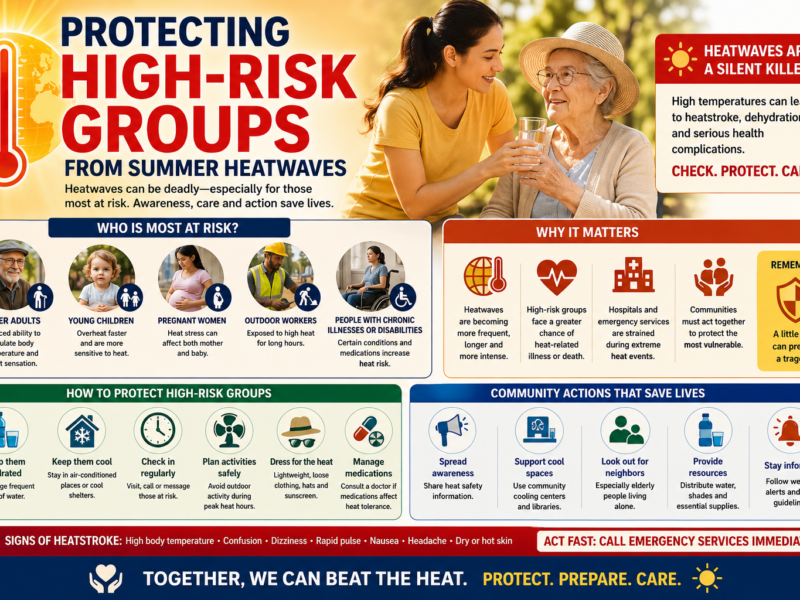
To implement effective preventive measures, it is vital to distinguish between different stages of thermal distress. Misdiagnosing the transition from moderate heat exhaustion to medical emergencies like heatstroke is a primary cause of avoidable mortality.
Heat Exhaustion vs. Heatstroke: The Clinical Spectrum
Heat exhaustion is the precursor to heatstroke. It is characterized by heavy sweating, a rapid but weak pulse, muscle cramps, dizziness, headache, and intense nausea. At this stage, the patient’s thermoregulatory mechanisms are still functioning, desperately trying to shed heat through sweat production.
The clinical shift to heatstroke occurs when these compensation systems break down completely. Sweating often stops entirely (though not always in exertional heatstroke), skin becomes hot and dry to the touch, the pulse turns bounding and extremely rapid, and neurological symptoms emerge. These include confusion, slurred speech, hallucinations, seizures, and ultimately, loss of consciousness.
Critical First-Aid Protocol: Immediate Action Points
If you encounter someone exhibiting signs of a full-scale heatstroke, treat it as a profound medical emergency. Follow these steps immediately while awaiting advanced paramedic support:
- Evacuate to Shade: Move the individual out of direct sunlight into an air-conditioned room or an intensely shaded area.
- Rapid Evaporative Cooling: Strip away excess, heavy clothing. Spray or douse the patient with cool (not freezing) water, and position a powerful fan directly over them to maximize evaporation.
- Strategic Ice Placement: Apply protected ice packs or cold, wet compresses to areas where major blood vessels run close to the surface: the groin, axillae (armpits), and around the neck.
- Maintain Airway Security: If the patient is semi-conscious or vomiting, roll them gently onto their side into the recovery position to keep their airway clear. Do not attempt to force them to drink fluids if they show altered mental states.
Global Lessons: Practical Actions for Individuals and Communities
What can global strategies teach us about personal daily protection? Mitigating the impact of extreme heat waves relies heavily on adopting intelligent habits before systemic heat exposure begins.
1. Hyper-Targeted Hydration Dynamics
Drinking water only when you experience thirst is a dangerous strategy during an active heatwave. Thirst is a delayed physiological indicator of dehydration. Individuals must consistently consume fluids throughout the day. Furthermore, heavy sweating depletes vital micronutrients, meaning pure water should be supplemented with balanced Oral Rehydration Salts (ORS) or electrolyte-infused clean beverages to maintain cellular osmotic balance.
2. Strategic Modification of Daily Routines
Aligning your schedule with global practices means strictly limiting high-exertion outdoor tasks during peak solar radiation periods, typically between 11:00 AM and 4:00 PM. If outdoor work is completely unavoidable, implementing a rotation of 15 minutes of rest in a cooled environment for every 45 minutes of active physical labor can radically lower systemic heat accumulation.
3. Pharmaceutical Awareness and Thermal Interaction
Many individuals are unaware that common daily prescription medications can drastically increase vulnerability to heatstroke. Diuretics, beta-blockers, antihistamines, and certain psychiatric medications can interfere with the body’s natural ability to sweat or process internal cardiovascular strain. Patients utilizing these therapeutic courses must consult their doctors during heatwaves to devise personalized safety plans.
Conclusion: Building a Heat-Resilient Future
The global heatwave crisis is a stark reminder that human health is deeply intertwined with environmental dynamics. By looking at how different nations deploy healthcare assets and adopting rigid, proactive medical countermeasures, individuals can navigate dangerous seasonal spikes safely. Education, rapid community response, and immediate first-aid execution remain our strongest shields against the escalating threat of heatstroke. Stay informed, monitor those around you, and treat extreme heat with the serious clinical caution it demands.