Nurofen Tablets: Ultimate Medical Guide to Uses, Mechanisms, Dosage, and Side Effects
1. Clinical Overview and Introduction
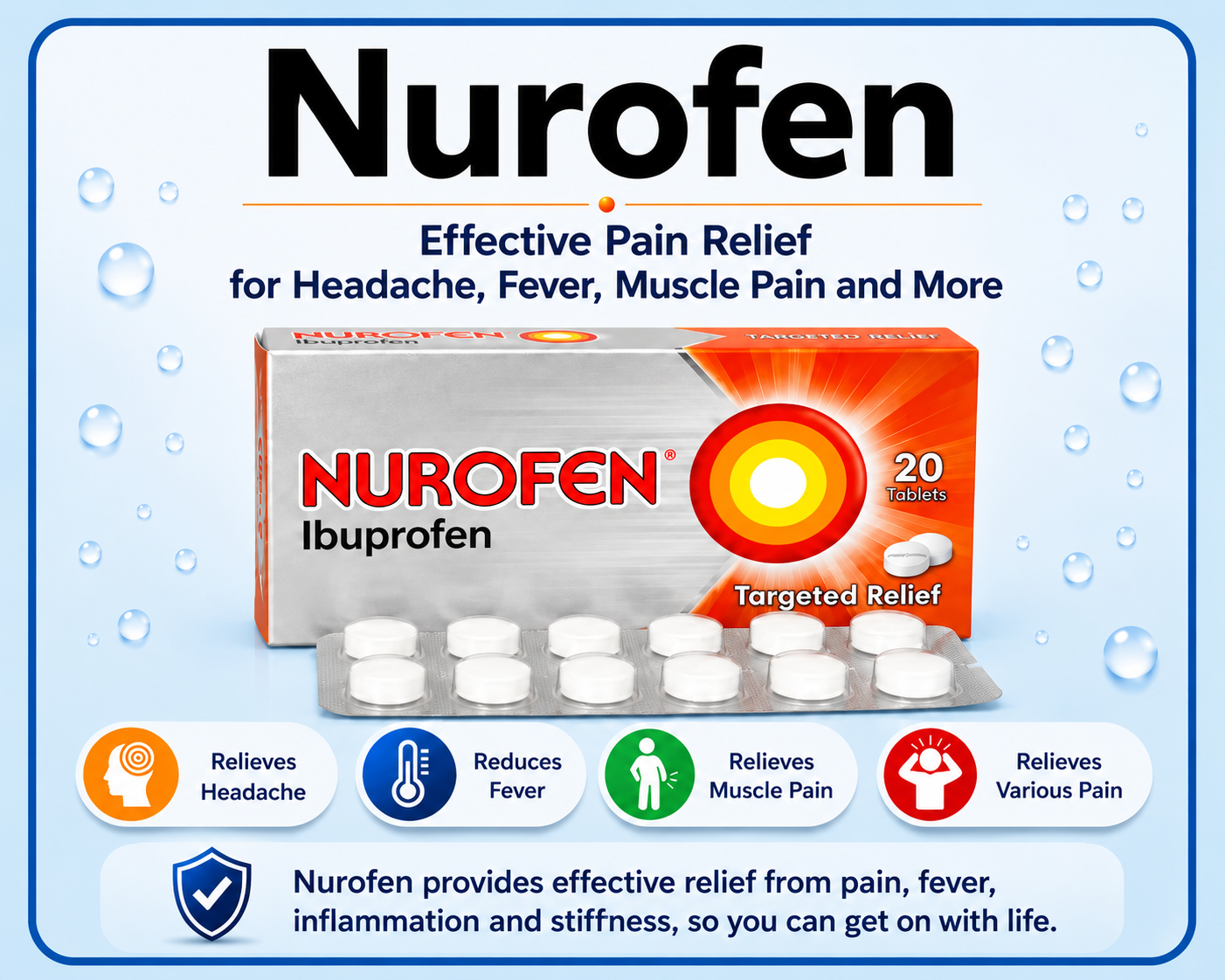
Nurofen is one of the most globally recognized, widely used over-the-counter (OTC) and prescription medications formulated specifically for target-oriented pain management, systemic inflammation reduction, and temporary fever mitigation. Belonging to a critical classification of pharmaceuticals designated as Non-Steroidal Anti-Inflammatory Drugs (NSAIDs), Nurofen has fundamentally reshaped consumer healthcare and clinical pain protocols since its initial commercial introduction. Pain, in its diverse physiological manifestations, represents an intricate neurological warning signal triggered by tissue distress, immune activation, or structural trauma. Whether dealing with a transient tension headache, a complex chronic arthritic condition, or post-surgical localized trauma, managing this sensory disruption efficiently is paramount to preserving an individual’s operational quality of life.
The therapeutic cornerstone behind Nurofen’s widespread medical efficacy is its primary active compound, Ibuprofen. Discovered and chemically synthesized during the mid-twentieth century, Ibuprofen offered a breakthrough alternative to traditional pain relievers like aspirin, providing robust anti-inflammatory action with a significantly altered gastrointestinal tolerability profile. In modern clinical environments, Nurofen functions as a versatile tool utilized by general practitioners, dental specialists, rheumatologists, and athletic trainers alike. This comprehensive, evidence-based guide delivers an exhaustive technical breakdown of Nurofen, exploring its underlying mechanism of action, its wide-ranging clinical indications, safe administration practices across various age groups, a definitive breakdown of toxicological risks, and critical pharmacological interactions that must be carefully managed.
2. Pharmacological Mechanism of Action
To completely understand the clinical versatility of Nurofen, it is essential to explore the microscopic cellular pathways governing tissue inflammation and pain perception. When human cells experience mechanical trauma, chemical irritation, or immunological threats, their phospholipid bilayers release arachidonic acid. This fatty acid is immediately metabolized by specific intracellular enzymes known as cyclooxygenases, commonly abbreviated as COX enzymes. There are two primary isoforms of this enzyme that interact with Nurofen’s active compound: Cyclooxygenase-1 (COX-1) and Cyclooxygenase-2 (COX-2). Under baseline physiological conditions, the COX-1 enzyme is continuously active throughout the body, performing vital protective duties such as synthesizing prostaglandins that maintain the thick, protective mucosal lining of the stomach wall, regulating blood flow to the kidneys, and supporting healthy blood clotting mechanisms via platelet aggregation.
Conversely, the COX-2 enzyme behaves primarily as an inducible entity. While minimally present under normal resting conditions, its expression skyrockets inside tissues when triggered by inflammatory cytokines, bacterial endotoxins, or physical injury. Once activated, COX-2 synthesizes vast quantities of inflammatory prostaglandins, primarily prostaglandin E2 (PGE2) and prostacyclin (PGI2). These localized chemical messengers dramatically increase the sensitivity of peripheral nociceptors—the specialized nerve endings responsible for transmitting pain signals to the spinal cord and cerebral cortex. Furthermore, these prostaglandins induce local vasodilation, leading to increased blood flow, localized redness, fluid leakage into tissue spaces (edema), and cellular swelling. Within the central nervous system, specifically the hypothalamus, these same prostaglandins act as chemical triggers that reset the body’s internal thermostat, leading to a febrile state, or fever.
Nurofen acts as a highly potent, non-selective, competitive inhibitor of both the COX-1 and COX-2 enzymatic pathways. By binding directly to the active catalytic pockets of these enzymes, the active ingredient in Nurofen prevents arachidonic acid from gaining access, effectively halting the production line of inflammatory prostaglandins at its source. When prostaglandin synthesis drops, peripheral nerve endings are desensitized, which drastically reduces the frequency and intensity of pain signals traveling to the brain. Simultaneously, the vascular changes driving localized swelling, redness, and heat are reversed, accelerating tissue recovery and reducing physical discomfort. In the hypothalamus, the reduction of PGE2 allows the preoptic heat-regulating center to return to its baseline, triggering peripheral vasodilation and sweating to rapidly cool the body and eliminate fever.
3. Comprehensive Clinical Indications and Efficacy
Because Nurofen targets the universal enzymatic pathways of pain and inflammation, its spectrum of clinical applications is exceptionally broad. It covers minor everyday discomforts as well as complex, debilitating musculoskeletal conditions. One of the most common applications of Nurofen is in treating acute cephalalgia, which encompasses standard tension headaches and debilitating migraines. Migraines are characterized by a complex interplay of neurovascular inflammation and trigeminal nerve sensitization. Nurofen successfully penetrates the blood-brain barrier to interrupt this neurogenic inflammatory cascade, reducing vascular throbbing, calming hyperactive pain pathways, and providing significant relief from associated symptoms like photophobia and phonophobia.
Another major therapeutic arena for Nurofen is dental medicine. Odontalgia, or severe toothache, is frequently caused by localized bacterial invasion into the dental pulp, a condition known as acute pulpitis. This process creates intense, throbbing pressure within the unyielding structural walls of the tooth. Similarly, post-operative trauma following wisdom tooth extractions or deep periodontal surgeries causes substantial tissue swelling. Nurofen is widely considered a gold-standard frontline intervention in dental care because its robust anti-inflammatory properties directly target the root cause of the pressure, offering relief that standard non-anti-inflammatory painkillers simply cannot match.
In musculoskeletal medicine and sports therapy, Nurofen is an invaluable asset for treating acute soft-tissue injuries. This includes muscle strains, ligamentous sprains, tears, and severe bruising resulting from physical overexertion or accidental impact. Following a sports injury, the body initiates a massive inflammatory response designed to isolate the area. However, an excessive inflammatory response often causes unnecessary secondary tissue damage and prolonged immobility. By regulating this inflammatory cascade, Nurofen reduces painful localized edema, prevents long-term joint stiffness, and allows patients to participate in early rehabilitative physical therapy, significantly shortening overall recovery timelines.
Beyond acute conditions, Nurofen plays a critical supportive role in managing chronic degenerative and auto-immune bone and joint disorders. This includes Osteoarthritis, Rheumatoid Arthritis, and Ankylosing Spondylitis. Osteoarthritis involves the progressive degradation of protective articular cartilage over time, leading to mechanical friction, micro-fractures, and secondary localized joint capsule inflammation. Rheumatoid Arthritis, by contrast, is a chronic systemic autoimmune disorder where the body’s immune system mistakenly attacks the synovial membranes lining the joints, causing severe pannus formation and joint destruction. While Nurofen does not cure these underlying structural or autoimmune pathologies, its long-term, carefully monitored administration suppresses chronic synovial prostaglandin production, alleviating morning stiffness, reducing visible swelling, and restoring essential mobility to damaged joints.
Finally, Nurofen is highly effective in managing primary dysmenorrhea—the sharp, cramping pelvic pain experienced by millions of women during the initial days of the menstrual cycle. During menstruation, the endometrial lining of the uterus synthesizes high concentrations of prostaglandins to stimulate uterine smooth muscle contractions, which helps shed unfertilized tissue. An overproduction of these prostaglandins causes intense, prolonged uterine hypoxia and painful muscle spasms. Nurofen directly counters this process by lowering endometrial prostaglandin levels, relaxing the uterine smooth muscle, restoring normal localized blood flow, and easing severe pelvic and lower back discomfort.
4. Standardized Dosing Protocols and Administration
To maximize the therapeutic benefits of Nurofen while maintaining optimal safety and minimizing the risk of adverse drug events, it is absolutely essential to follow strict, clinically validated dosing protocols. Nurofen is primarily available in oral solid forms, including standard film-coated tablets, fast-acting liquid-filled capsules, and extended-release caplets, typically in strengths of 200mg and 400mg. The golden rule of NSAID pharmacology is to always utilize the lowest effective dose for the absolute shortest duration required to control symptoms.
For adults and adolescents aged twelve years and older, the standard single therapeutic dose ranges from 200mg to 400mg. This dose can be repeated every four to six hours as clinically necessary, depending on the severity of the pain or fever. It is critical that adult patients never exceed a maximum daily threshold of 1200mg within a single twenty-four-hour period, unless explicitly instructed and continuously monitored by a qualified medical professional. For pediatric populations aged between seven and eleven years, dosing must be carefully scaled back to a single 200mg tablet administered every six to eight hours as needed, with a strict maximum twenty-four-hour ceiling of 800mg. Nurofen tablets are not intended for children under six years of age; younger pediatric demographics require specialized liquid suspension formulations to allow for precise weight-based dosing.
The method of administration is just as vital as the numerical dosage. Nurofen tablets should always be swallowed whole with a full glass of water, and should never be crushed, chewed, or split, as altering the pill structure can destroy specialized coatings designed to protect the throat and stomach. Most importantly, Nurofen must always be taken immediately following a substantial meal or accompanied by a glass of milk. Taking this medication on an empty stomach allows the active drug to come into direct, unfiltered contact with the delicate gastric mucosa. Because the drug simultaneously suppresses the protective COX-1 pathway, empty-stomach administration significantly increases the immediate risk of chemical irritation, acute gastric erosions, and severe acid reflux.
| Patient Demographics | Standard Single Dose | Recommended Interval | Maximum 24-Hour Limit |
|---|---|---|---|
| Adults & Adolescents (≥ 12 years) | 200mg – 400mg (1-2 tablets) | Every 4 to 6 hours as required | 1200mg (6 tablets) |
| Pediatric Patients (7 to 11 years) | 200mg (1 tablet) | Every 6 to 8 hours as required | 800mg (4 tablets) |
5. Adverse Reactions, Pathological Risks, and Long-Term Impact
While Nurofen is a highly effective medication, it carries significant systemic risks and potential side effects that require careful management. These risks are primarily driven by the drug’s non-selective inhibition of the protective COX-1 enzyme pathway, especially during high-dose or long-term regimens. The most common and clinically significant side effects occur within the gastrointestinal (GI) tract. As mentioned, the COX-1 enzyme is responsible for producing the prostaglandins that maintain the stomach’s protective mucus barrier and regulate mucosal blood flow. When Nurofen suppresses this pathway, the stomach lining becomes vulnerable to the highly acidic environment of the gastric juices. This can lead to common mild symptoms like dyspepsia, heartburn, nausea, and abdominal pain. However, chronic abuse of the drug can result in severe, life-threatening complications, including deep gastric and duodenal ulcers, gastrointestinal perforation, and major internal hemorrhaging, which often presents as vomiting blood or passing black, tarry stools.
The renal (kidney) system is another critical area impacted by Nurofen. Under normal conditions, renal blood flow and glomerular filtration rates are heavily dependent on vasodilatory prostaglandins, especially in individuals with pre-existing heart failure, chronic kidney disease, or dehydration. When Nurofen cuts off the production of these essential prostaglandins, renal blood vessels constrict, drastically reducing blood flow to the kidneys. This acute drop in filtration can cause the body to retain fluids and sodium, leading to peripheral edema (swelling of the ankles and feet) and a sudden rise in systemic blood pressure. In severe cases, or with prolonged use, this can progress to acute kidney injury (AKI) or chronic interstitial nephritis.
Furthermore, modern clinical trials and epidemiological data have revealed an important link between high-dose NSAID use and elevated cardiovascular risks. Extended use of non-selective NSAIDs can disrupt the delicate balance between thromboxane A2 (which promotes blood clotting and vessel constriction via COX-1) and prostacyclin (which prevents clotting and dilates vessels via COX-2). By suppressing vasodilatory prostacyclin while allowing clot-promoting thromboxane to persist, these medications can increase blood pressure and elevate the risk of serious thromboembolic events, such as myocardial infarctions (heart attacks) and ischemic strokes. Consequently, Nurofen is strictly contraindicated for managing peri-operative pain in the context of coronary artery bypass graft (CABG) surgeries.
6. Critical Precautions, Contraindications, and Drug Interactions
Given these systemic risks, certain patient populations must exercise extreme caution or completely avoid using Nurofen. Individuals with a history of recurrent peptic ulcer disease, active gastrointestinal bleeding, or severe inflammatory bowel diseases like Crohn’s disease or ulcerative colitis should avoid Nurofen due to the high risk of triggering severe internal bleeding. Similarly, patients with advanced cardiovascular disease, poorly controlled hypertension, severe heart failure, or severe renal impairment require close medical supervision if NSAID therapy is considered, and alternative non-NSAID analgesics should be used whenever possible.
Respiratory health is another important factor. A small percentage of the population, particularly those with a history of asthma, chronic rhinitis, or nasal polyps, can experience a severe hypersensitivity reaction known as Aspirin-Exacerbated Respiratory Disease (AERD). When Nurofen blocks the COX pathway, it can shift arachidonic acid metabolism toward the alternative lipoxygenase (LOX) pathway. This trigger creates an overproduction of pro-inflammatory leukotrienes, which can cause sudden, severe bronchospasms, intense wheezing, and life-threatening asthma attacks. Anyone who has previously experienced an allergic or respiratory reaction to aspirin, ibuprofen, or any other NSAID should never take Nurofen.
Drug interactions also require careful screening. Nurofen should never be taken alongside other NSAIDs, such as naproxen, diclofenac, or high-dose aspirin, as combining these medications significantly compounds gastrointestinal and renal toxicities without offering any additional therapeutic benefit. Furthermore, Nurofen can interact negatively with several common prescription medications:
- Anticoagulants and Antiplatelets (e.g., Warfarin, Clopidogrel): Combining these with Nurofen increases the risk of serious internal bleeding.
- Antihypertensives (e.g., ACE inhibitors, Beta-blockers): Nurofen can reduce the effectiveness of these medications by promoting sodium and fluid retention.
- Diuretics (e.g., Furosemide): Nurofen can blunt their diuretic effect and significantly increase the risk of acute kidney damage.
- Selective Serotonin Reuptake Inhibitors (SSRIs): This combination can substantially elevate the risk of upper gastrointestinal bleeding.
Finally, pregnancy represents a critical period where Nurofen use must be strictly controlled. During the first and second trimesters, Nurofen should only be used if explicitly prescribed by a physician, as some studies suggest a potential link to an increased risk of miscarriage or congenital malformations. However, during the third trimester, Nurofen is strictly contraindicated. Taking NSAIDs late in pregnancy can cause premature closure of the ductus arteriosus—a vital blood vessel in the fetal heart—leading to severe fetal pulmonary hypertension. It can also cause maternal and fetal bleeding complications and delay the onset and progression of natural labor.