Panadol Advance (Paracetamol): Ultimate Medical Guide to Uses, Dosage, Mechanism, and Side Effects
Introduction and Clinical Overview
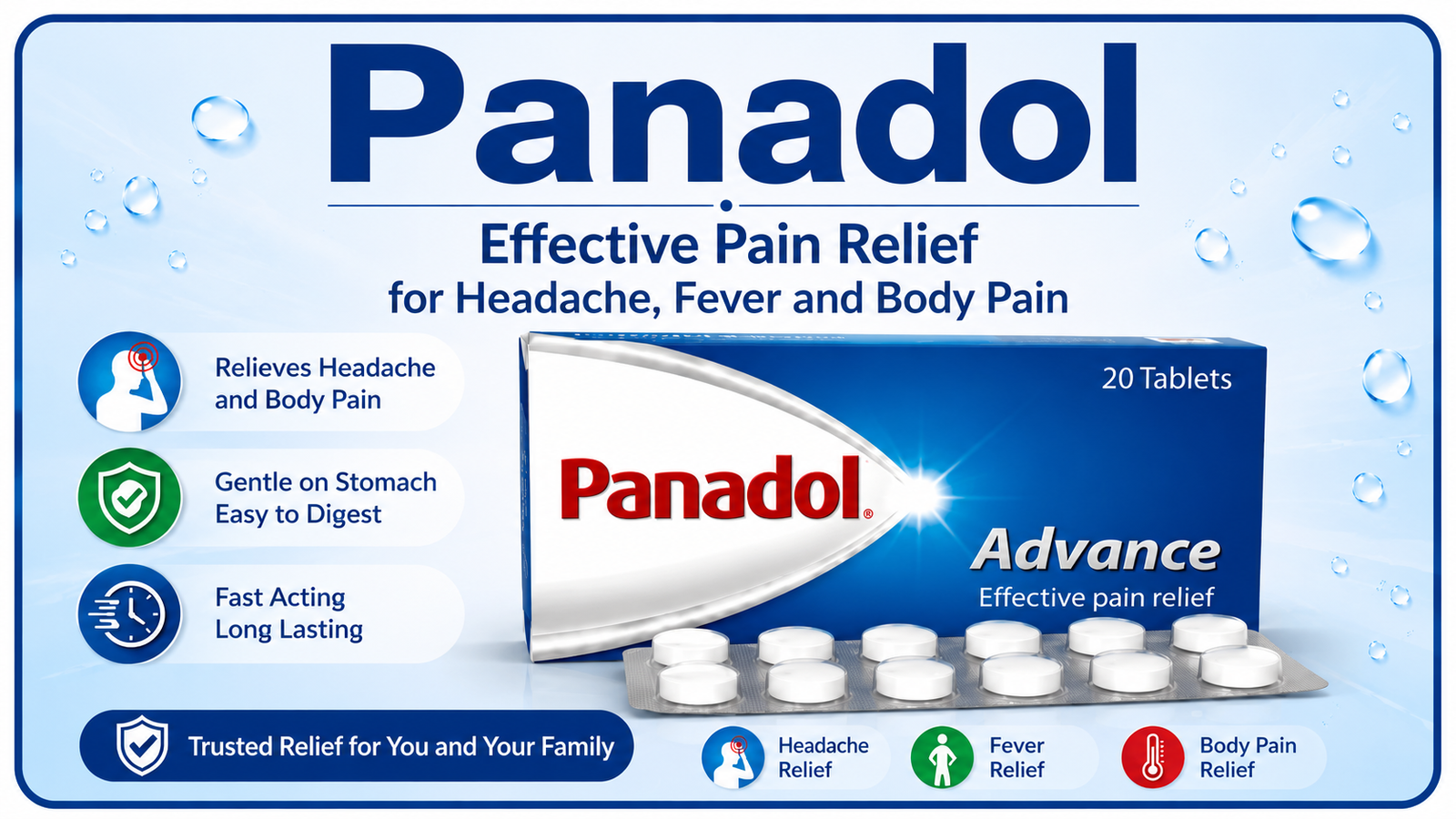
Panadol Advance is one of the most widely recognized, globally trusted, and frequently utilized over-the-counter (OTC) medications formulated for targeted pain relief and fever reduction. The active pharmaceutical ingredient embedded within Panadol Advance is Paracetamol (chemically documented as Acetaminophen), standardly dosed at 500mg per tablet. This core molecule serves as a frontline therapeutic option within modern medicine for addressing mild-to-moderate discomfort.
What fundamentally distinguishes Panadol Advance from traditional, generic paracetamol formulations is its integration of proprietary Optizorb Technology. This advanced pharmaceutical delivery mechanism utilizes an engineered blend of surface-active agents and disintegrants that drastically accelerate tablet breakdown. Instead of sitting in the gastric environment waiting for classic mechanical dissolution, this innovative tablet disintegrates up to five times faster. Consequently, the active paracetamol molecule dissolves swiftly, passes smoothly into the small intestine, and is absorbed rapidly into the systemic bloodstream to deliver expedited therapeutic clinical relief precisely when systemic distress or structural aches peak.
Pharmacological Mechanism of Action
To fully appreciate the efficacy of Panadol Advance, it is crucial to analyze its primary biological pathways. Paracetamol functions primarily by inhibiting prostaglandin synthesis within the central nervous system (CNS). Prostaglandins are lipid compounds produced at sites of cellular damage or infection that trigger inflammatory cascades, sensitize localized nerve endings, and signal pain directly to the cerebral cortex.
By reducing the concentration of these signaling chemicals within the brain and spinal cord, Panadol Advance elevates the body’s overall pain threshold. This means that while the underlying physical stimulus or localized tissue injury may still temporarily persist, the brain’s baseline perception of that discomfort is heavily attenuated. Concurrently, its potent anti-pyretic action targets the hypothalamus—the biological thermostat of the human body. During bacterial or viral invasions, endogenous pyrogens prompt the hypothalamus to elevate baseline body temperature, inducing a protective yet exhausting fever. Paracetamol safely interacts with this center, encouraging peripheral vasodilation and increased cutaneous blood flow, which facilitates rapid heat dissipation through the skin, safely restoring equilibrium to elevated systemic body temperatures.
Primary Medical Indications and Therapeutic Uses
Panadol Advance is scientifically indicated for a broad spectrum of acute and chronic painful conditions, proving highly effective across diverse clinical profiles. The primary indications documented across global healthcare systems include:
- Pyrexia (Fever Control): It acts directly on central thermoregulatory pathways to mitigate debilitating fevers associated with seasonal influenza, common colds, bacterial infections, and tropical illnesses like dengue, malaria, and typhoid.
- Cephalea and Migraine Management: It effectively alleviates everyday tension headaches brought on by emotional exhaustion, stress, or posture issues, and acts as a baseline element in managing acute, throbbing migraine attacks.
- Acute Musculoskeletal Pain: It provides robust relief from localized muscle strains, athletic sprains, lumbar backaches, and generalized physical exhaustion caused by rigorous occupational manual labor.
- Dental and Post-Procedural Discomfort: It is regularly recommended by dental surgeons to combat the throbbing pain of deep dental abscesses, wisdom teeth eruptions, or post-extraction inflammatory discomfort.
- Dysmenorrhea (Menstrual Cramps): It serves as a highly reliable and safe baseline analgesic option for women experiencing acute lower abdominal cramping and lower back tension during active menstrual cycles.
- Osteoarthritis Symptoms: It works as an exceptional baseline pain reliever for elderly individuals or patients suffering from degenerative joint diseases, allowing for improved physical mobility without causing severe gastric mucosal irritation.
Standardized Dosing Guidelines and Administration
To secure the maximum benefit from Panadol Advance while guaranteeing patient safety, it is imperative to follow a strict dosing protocol. The medication must be swallowed whole with a glass of plain water. Tablets should never be crushed, split, or chewed, as doing so compromises the structurally integrated Optizorb matrix, causing premature release and reducing the speed and efficiency of targeted systemic absorption.
| Target Patient Demographics | Standard Single Dose | Mandatory Dosing Interval | Absolute 24-Hour Maximum Limit |
|---|---|---|---|
| Adults & Adolescents (Ages ≥ 12 Years) | 1 to 2 Tablets (500mg – 1000mg) | Every 4 to 6 hours as symptoms dictate | 8 Tablets (4,000mg) |
| Pediatric Patients (Ages 6 to 11 Years) | 0.5 to 1 Tablet (250mg – 500mg) | Every 4 to 6 hours as symptoms dictate | 4 Tablets (2,000mg) |
*Pediatric Warning: Children under the age of 6 years must never be given adult Panadol Advance tablets. Instead, specialized liquid formulations such as pediatric Panadol suspension syrups or infant drops should be utilized for accurate weight-based dosing.
Potential Adverse Reactions and Side Effects
When consumed responsibly within recommended clinical parameters, paracetamol boasts an exceptional safety profile, particularly lacking the severe gastrointestinal bleeding risks linked to Non-Steroidal Anti-Inflammatory Drugs (NSAIDs) like ibuprofen or aspirin. However, acute misuse, long-term therapeutic creeping, or accidental toxic consumption can yield severe clinical issues:
- Severe Hepatotoxicity (Liver Damage): This represents the most grave risk linked to paracetamol misuse. Consuming more than 4,000mg within a 24-hour window overwhelms the liver’s natural glutathione pathway. This path usually neutralizes a toxic metabolic byproduct known as NAPQI. When glutathione reserves run out, NAPQI binds directly to liver cells, which can trigger widespread hepatic necrosis and acute, life-threatening liver failure.
- Gastrointestinal Disturbances: Although quite rare, sensitive individuals may occasionally report mild nausea, transient bouts of vomiting, or vague upper abdominal cramping immediately post-ingestion.
- Dermatological and Systemic Hypersensitivity: On rare occasions, susceptible patients can experience intense immune reactions. This presents as localized pruritus, skin rashes, hives (urticaria), or serious, life-threatening conditions like Stevens-Johnson Syndrome (SJS), which require immediate emergency medical care.
- Renal Impairment: Chronic, unmonitored use stretching across consecutive months or years can induce significant nephrotoxicity, slowly reducing overall renal filtration capacity.
Critical Precautions and Contraindications
To avoid accidental overdose and ensure optimal patient safety while using Panadol Advance, always implement the following clinical guidelines:
- Strictly Monitor Cumulative Dose Limits: Ensure you never take more than two tablets at a single time, and always confirm your total intake remains well within the absolute safety limit of 8 tablets per 24 hours.
- Cross-Check Combined Medications: Many over-the-counter multi-symptom cold, flu, and sinus remedies also contain paracetamol as a core ingredient. Taking these concurrently with Panadol Advance poses a hidden risk for an accidental, toxic overdose. Always inspect product ingredient labels carefully.
- Pre-Existing Liver and Kidney Conditions: Individuals diagnosed with underlying chronic hepatitis, fatty liver disease, liver cirrhosis, severe kidney impairment, or chronic alcohol dependency must never use this medication without a direct medical consultation and clear clearance from their physician.
- Pregnancy and Lactation Protocols: Paracetamol remains the clinical gold standard and safest pain management option for pregnant and breastfeeding mothers. However, to prioritize fetal health, it should still be used at the lowest effective dose for the shortest possible duration, under the direct supervision of an obstetrician or gynecologist.