Vegetarian Diet Plan for Weight Loss in One Month

Adopting a vegetarian diet is one of the most effective, health-promoting pathways to achieve sustainable weight loss. When structured mindfully, a plant-based diet naturally abounds in dietary fiber, essential micronutrients, and complex carbohydrates that keep you satisfied for longer periods. If your goal is to shed excess body fat over the course of a single month, success lies in shifting away from processed “vegetarian junk foods” and focusing entirely on whole, nutrient-dense, and satisfying plant ingredients.
Achieving noticeable physical results in a 30-day window requires a deliberate approach to your macronutrient distribution. You must establish a moderate, safe caloric deficit while simultaneously securing adequate protein intake to preserve lean muscle tissue. This comprehensive one-month guide outlines a nutritionally balanced, science-backed vegetarian framework designed to optimize your metabolism, curb cravings, and promote steady fat loss.
The Science of Plant-Based Weight Loss
Many individuals struggle to lose weight on a vegetarian diet because they inadvertently overconsume calorie-dense refined grains, processed cheeses, and sugary plant-based meat substitutes. To lose body fat, you must prioritize **caloric density** and **satiety index**. Whole plant foods like leafy greens, cruciferous vegetables, and legumes have a low caloric density, meaning you can consume a large physical volume of food for very few calories.
Additionally, the high fiber content of a whole-food, plant-based diet slows down gastric emptying and prevents rapid spikes in blood sugar. This steady digestive release prevents sudden drops in energy and regulates **leptin and ghrelin**—the primary hormones that control your feelings of hunger and fullness. When your hormones are balanced, sticking to your fat-loss goals becomes a natural, stress-free process.
The 4-Week Vegetarian Meal Construction Framework
To keep your meals balanced without counting every single calorie, build your daily plate using this highly effective structural formula:
1. Prioritize Lean Plant Proteins (The Satiety Anchor)
Protein has the highest **Thermic Effect of Food (TEF)**, meaning your body expends more energy digesting and processing protein than it does for fats or carbohydrates. Consuming adequate plant protein is absolutely critical during a weight-loss phase to shield your active muscle tissue from being broken down for energy.
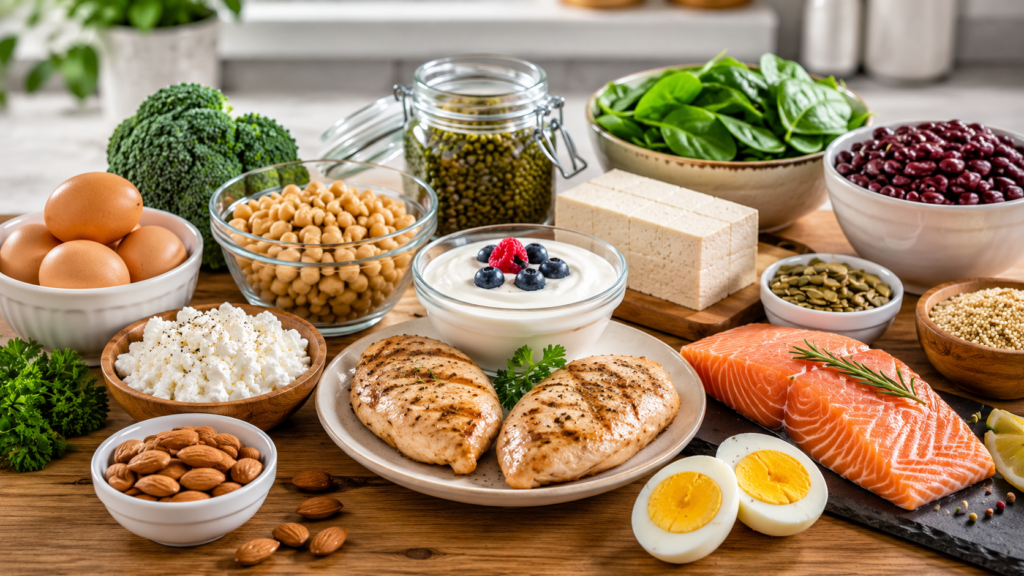
Ensure every meal contains a substantial protein source. Excellent vegetarian options include organic tofu, tempeh, seitan, edamame, Greek yogurt, cottage cheese, and a wide variety of lentils, chickpeas, and black beans. Aim for at least 20 to 30 grams of protein per main meal to keep your metabolism elevated and muscle tissue protected.
2. Fill Half Your Plate with Non-Starchy Vegetables
Non-starchy vegetables provide vital bulk, hydration, and essential vitamins with minimal caloric impact. They allow you to eat satisfying, visually abundant portions while maintaining your daily caloric deficit.
Load up on spinach, kale, broccoli, cauliflower, Brussels sprouts, bell peppers, zucchini, cucumbers, and asparagus. These vegetables are rich in water and prebiotic fiber, which nourish your beneficial gut microbiome and optimize your systemic digestive health throughout your weight-loss journey.
3. Integrate Complex, Slow-Burning Carbohydrates
Carbohydrates are not the enemy of weight loss; the type and quality of those carbohydrates are what matter. Avoid highly refined white flour, white rice, and sugary baked goods, which digest rapidly and lead to fat storage.
Instead, choose complex, high-fiber starches in controlled portions. Excellent sources include quinoa, brown rice, steel-cut oats, sweet potatoes, and farro. These complex grains provide a sustained release of glucose to fuel your daily physical activities and keep your thyroid hormones functioning at optimal levels.
4. Incorporate Healthy Fats in Small, Measured Portions
Dietary fat is essential for hormone production, joint health, and the absorption of fat-soluble vitamins (A, D, E, and K). However, because fats contain 9 calories per gram (compared to 4 calories per gram for protein and carbs), portion control is vital when fat loss is your primary objective.
Incorporate small, deliberate servings of healthy fats into your meals. This includes a quarter of an avocado, a tablespoon of extra virgin olive oil for cooking, or a small handful (roughly 1 ounce) of raw almonds, walnuts, chia seeds, or flaxseeds.
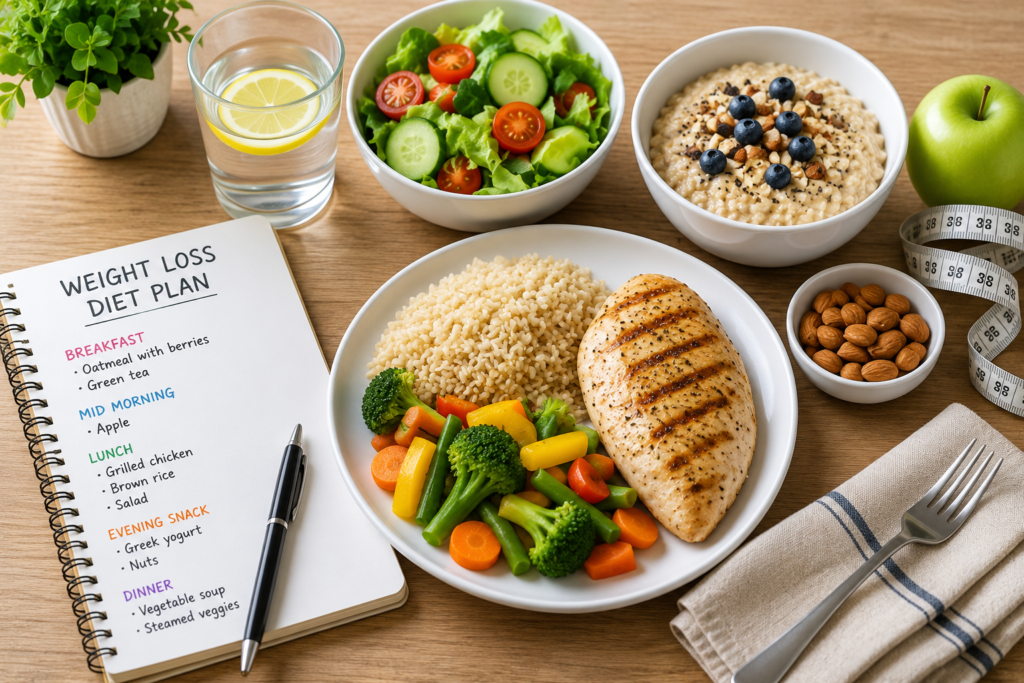
- Breakfast: Scrambled tofu or two poached eggs served over a bed of sautéed spinach with half a sliced avocado.
- Lunch: A massive Mediterranean lentil salad packed with cucumbers, cherry tomatoes, parsley, chickpeas, and a light lemon-tahini dressing.
- Snack: One cup of unsweetened Greek yogurt (or coconut yogurt) topped with a handful of fresh blueberries and a sprinkle of chia seeds.
- Dinner: Baked tempeh or pan-seared tofu paired with roasted broccoli, cauliflower, and a small side of cooked quinoa.
Hydration, Sleep, and Avoiding Liquid Calories
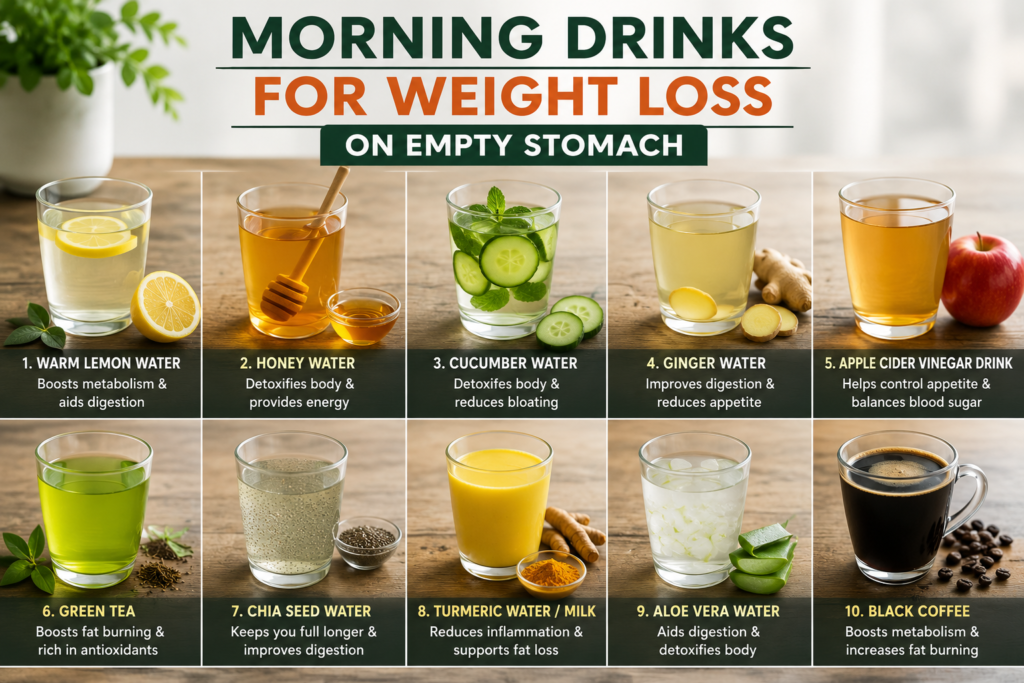
Achieving successful weight loss in 30 days requires close attention to what you drink. Liquid calories from fruit juices, sweetened coffee drinks, sweet teas, and sodas bypass your body’s satiety signals entirely. You can easily consume hundreds of extra calories without feeling full. Prioritize drinking pure water, herbal teas, and black coffee to keep your metabolic rate humming without the hidden calories.
Furthermore, do not underestimate the power of deep, restorative sleep. Chronic sleep deprivation elevates systemic cortisol levels, which actively encourages your body to retain stubborn abdominal fat and triggers intense cravings for high-carbohydrate, high-fat comfort foods. Aim for 7 to 8 hours of quality rest every night to support your body’s natural fat-burning and recovery processes.
Lifestyle Habits for Long-Term Weight Management
To maximize your fat loss and maintain your results far beyond this initial one-month plan, implement these supportive lifestyle habits:
- Practice Mindful Eating: Avoid eating in front of televisions or computer screens; chew your food slowly to allow your stretch receptors to signal fullness to your brain.
- Keep a Basic Food Journal: Tracking your meals for the first few weeks helps you identify hidden liquid calories, excess oils, and structural snacking triggers.
- Incorporate Strength Training: Pair your diet plan with resistance exercises twice a week to build lean muscle, which raises your resting metabolic rate permanently.